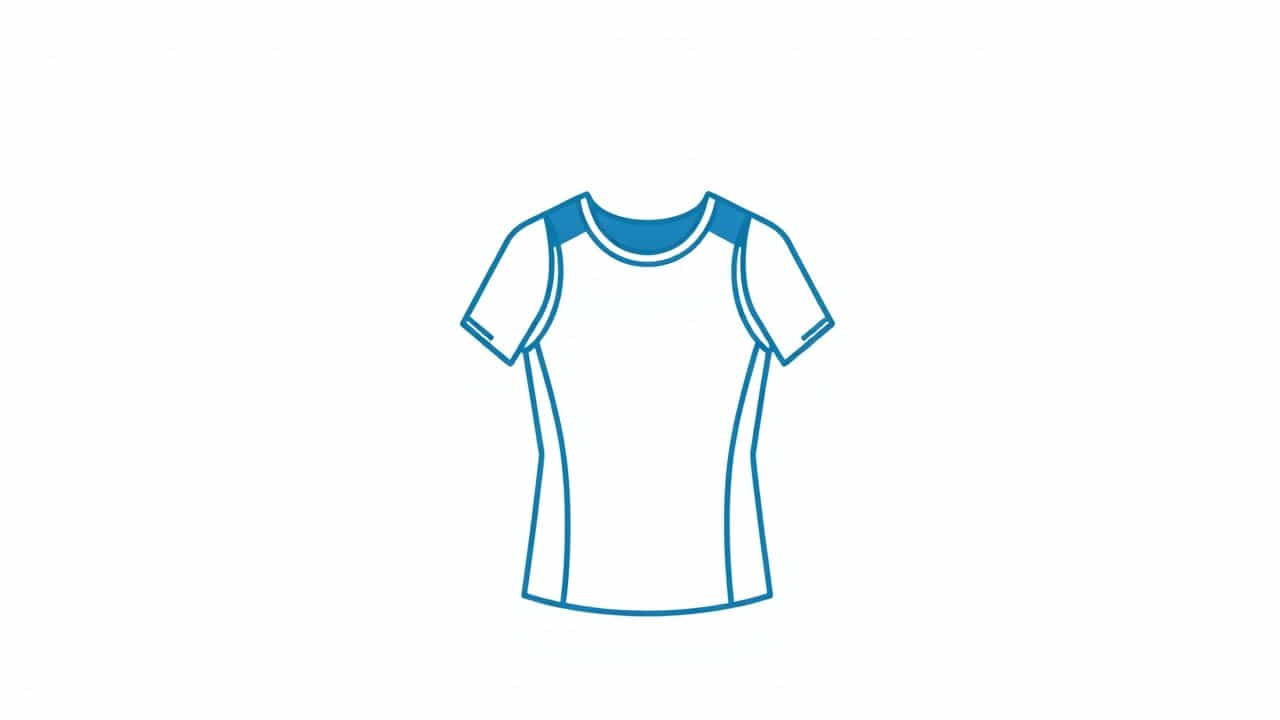
What is a Rash Vest? Understanding the Benefits and FeaturesA rash vest, often referred to as a rash guard, is a type of clothing designed to protect the skin from irritants and external elements during physical activities. Primarily used in water sports such as surfing, swimming, and snorkeling, rash vests are an essential piece of equipment for anyone who enjoys these activities. In this topic, we will explore what a rash vest is, its various benefits, the different types available, and how to choose the right one for your needs.
What is a Rash Vest?
A rash vest is a tight-fitting, lightweight top typically made from a blend of materials such as spandex, nylon, and polyester. It is designed to fit snugly around the body and provide protection against skin irritation, UV rays, and abrasions. Originally, rash vests were worn by surfers to protect their skin from rashes caused by repeated contact with surfboards, but today, they are popular for a wide range of water-based activities.
Rash vests are commonly worn in warm weather, offering a combination of comfort and protection. They come in short-sleeve, long-sleeve, and sleeveless styles, with different designs and features to suit various needs.
Why Wear a Rash Vest?
There are several reasons why individuals wear rash vests during water activities. Here are some of the main benefits:
1. Protection from Rash and Skin Irritation
The primary purpose of a rash vest is to protect the skin from abrasions and irritation. When engaging in activities like surfing, swimming, or paddleboarding, prolonged contact with equipment or rough surfaces can cause discomfort or rashes. A rash vest helps to create a barrier between the skin and surfboards or wetsuits, reducing the risk of chafing and irritation.
2. Sun Protection
Another significant benefit of wearing a rash vest is sun protection. Most rash vests are made from fabrics that offer built-in UV protection, shielding the skin from harmful sun exposure. This is especially important for individuals who spend long hours outdoors, such as surfers or swimmers, who may be at risk of sunburn. Many rash vests are rated with a UPF (Ultraviolet Protection Factor) rating, which indicates how well the fabric blocks UV rays.
3. Temperature Regulation
While rash vests are not designed to be as warm as wetsuits, they do help with temperature regulation. They provide some insulation, helping to keep the body warm during cooler water activities, especially when combined with a wetsuit. The fabric also wicks away moisture from the skin, preventing the vest from becoming heavy or uncomfortable when wet.
4. Enhanced Comfort
Rash vests are known for their flexibility and comfort. They are designed to move with the body, providing a full range of motion during water activities. The soft, stretchy fabric allows for easy movement, which is essential for activities like swimming or surfing. Rash vests are also lightweight, ensuring that wearers don’t feel weighed down or restricted.
5. Increased Hygiene
For those using rented equipment, such as surfboards or snorkels, a rash vest can also provide a layer of hygiene protection. It acts as a barrier between the skin and the equipment, reducing direct contact with surfaces that may not be as clean as they should be. This can help prevent skin infections or irritations caused by unclean equipment.
Types of Rash Vests
Rash vests come in a variety of styles and designs, catering to different water activities and personal preferences. Here are the most common types:
1. Short-Sleeve Rash Vests
Short-sleeve rash vests are perfect for warmer weather or for activities where you don’t need full arm coverage. They offer protection for the torso and upper arms while allowing for more freedom of movement. This type of rash vest is often favored by surfers and swimmers who need comfort and mobility.
2. Long-Sleeve Rash Vests
Long-sleeve rash vests provide more coverage and protection, particularly for the arms and shoulders. This style is ideal for individuals who are more exposed to the sun or who need extra protection against abrasions. Long-sleeve rash vests are particularly useful for extended periods in the water, offering more sun protection and reducing the risk of chafing in sensitive areas like the armpits.
3. Sleeveless Rash Vests
For those who prefer minimal coverage, sleeveless rash vests are a popular option. They provide full protection for the torso while leaving the arms free. This style is commonly worn by those who engage in activities like wakeboarding, kayaking, or swimming, where the arms are often in constant motion.
4. Full Body Rash Vests
For ultimate protection, full-body rash vests are available. These vests cover the entire torso, arms, and sometimes the legs. They offer complete UV protection and reduce the risk of rash or skin irritation over a large portion of the body. Full-body rash vests are ideal for activities like snorkeling or paddleboarding in cooler waters.
How to Choose the Right Rash Vest
Selecting the right rash vest depends on several factors, including the type of activity you plan to engage in, the climate, and your personal preferences. Here are some tips to help you choose the perfect rash vest:
1. Consider the Material
Rash vests are made from a variety of materials, each offering different benefits. The most common materials used are spandex, polyester, and nylon. Spandex is known for its stretchability and flexibility, while polyester is durable and quick-drying. Some rash vests may also include a mix of fabrics for enhanced comfort and performance. Be sure to choose a material that suits your comfort and durability needs.
2. Look for UV Protection
If you plan on spending extended periods in the sun, choosing a rash vest with UV protection is essential. Look for vests with a high UPF rating, which will indicate how effectively the fabric blocks harmful UV rays. This added protection will reduce the risk of sunburn and protect your skin during prolonged outdoor activities.
3. Choose the Right Fit
Rash vests are designed to fit snugly, so it’s important to choose one that fits comfortably without being too tight or too loose. A proper fit ensures that the vest stays in place during activities and provides the best protection. Pay attention to the sizing chart and try the vest on if possible to ensure a good fit.
4. Check for Comfort Features
Some rash vests come with additional comfort features, such as flatlock stitching, which helps prevent chafing, or mesh panels for improved breathability. Look for a vest that offers these extra touches if comfort is a priority for you.
A rash vest is a versatile and essential piece of clothing for anyone who enjoys water sports or outdoor activities. Not only do they provide protection from rashes, UV rays, and skin irritations, but they also enhance comfort and mobility. Whether you’re surfing, swimming, or snorkeling, wearing a rash vest can improve your experience and help you stay safe in the water.
When choosing a rash vest, consider factors like material, UV protection, and fit to ensure you get the right one for your needs. With the right rash vest, you can enjoy your water activities with confidence and comfort.