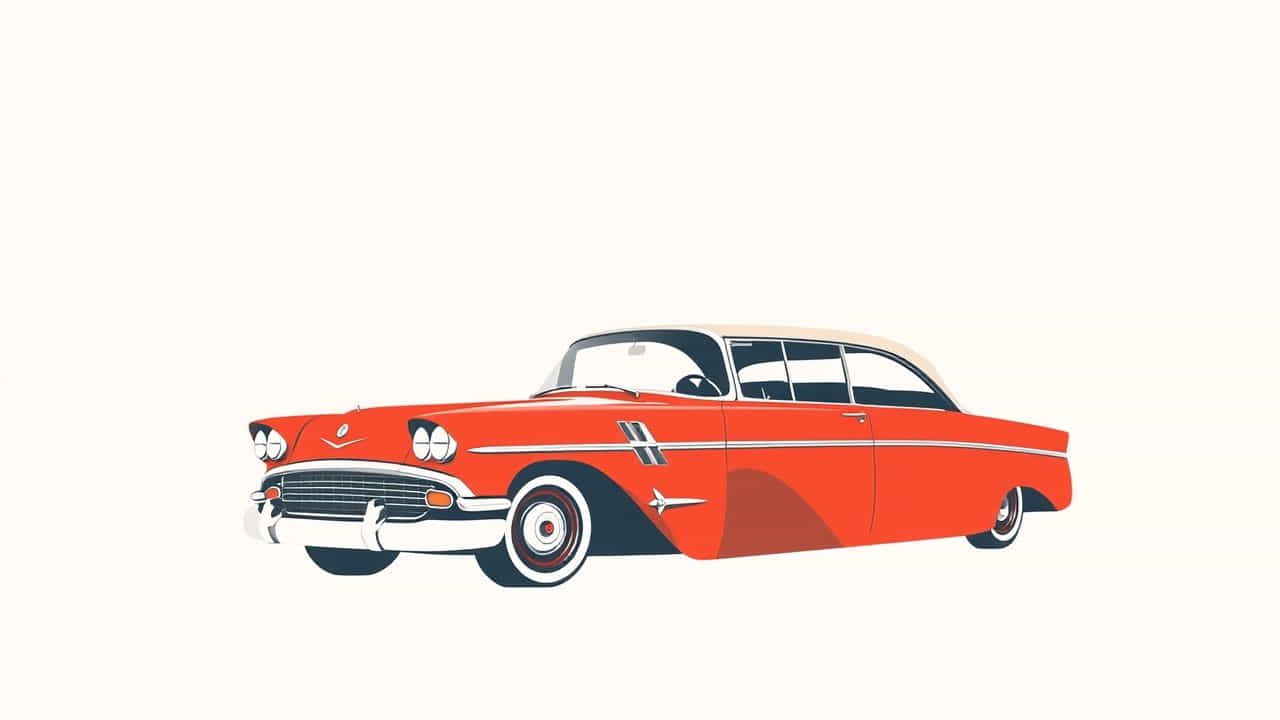
Nash and Edsel are two names that stand out in American automotive history, but for very different reasons. Nash Motors was known for its innovation and practicality, while Edsel, a brand created by Ford, became one of the biggest failures in the car industry. Despite their differences, both brands left a lasting impact on car design, engineering, and consumer perception.
Nash Motors: A Pioneer in Automotive Innovation
The Birth of Nash Motors
Nash Motors was founded in 1916 by Charles W. Nash, a former president of General Motors. Nash believed in building high-quality, affordable cars that were also technologically advanced for their time.
Notable Nash Models
Nash produced several successful models that set the company apart:
✔ Nash 600 (1941-1949) – The first mass-produced unibody car, offering improved safety and fuel efficiency.
✔ Nash Rambler (1950-1955) – One of the first compact cars in America, introduced as a response to rising fuel costs.
✔ Nash-Healey (1951-1954) – A luxury sports car developed in collaboration with British and Italian designers.
Innovations Introduced by Nash
✔ Unibody Construction – Unlike traditional cars with a separate frame and body, Nash pioneered integrated body design for better strength and aerodynamics.
✔ Weather Eye System – One of the first heating and ventilation systems, improving passenger comfort.
✔ Seat Belts (Optional) – Though not widely adopted at the time, Nash was one of the first automakers to offer seat belts as an option.
Nash’s Merger and the Birth of AMC
In 1954, Nash merged with Hudson Motors to form American Motors Corporation (AMC). The merger aimed to compete with the Big Three automakers (Ford, GM, Chrysler) by focusing on compact and fuel-efficient cars. This strategy later led to the success of models like the AMC Gremlin and AMC Pacer in the 1970s.
Edsel: The Biggest Failure in Automotive History?
Why Did Ford Create Edsel?
In the 1950s, Ford wanted to bridge the gap between its mainstream Ford brand and its luxury Lincoln-Mercury lineup. The solution was to introduce a mid-tier brand that would appeal to buyers who wanted something more prestigious than a Ford but less expensive than a Lincoln. This new brand was named Edsel, after Henry Ford’s son, Edsel Ford.
The Edsel Models
The Edsel brand was launched in 1958 with a lineup that included:
✔ Edsel Ranger – The base model, designed as an affordable entry-level car.
✔ Edsel Pacer – A step up from the Ranger, with better trim and features.
✔ Edsel Corsair – A mid-range model with a powerful V8 engine.
✔ Edsel Citation – The top-tier luxury model, meant to compete with Cadillac and Chrysler.
What Went Wrong with Edsel?
Despite Ford’s $250 million investment, Edsel failed spectacularly. Here’s why:
✔ Ugly Design – The vertical oval grille looked unusual and was often compared to a horse collar” or even worse, a “toilet seat.”
✔ Marketing Mistakes – Ford overhyped the Edsel, leading to unrealistic expectations that the cars couldn’t meet.
✔ Mechanical Issues – Early Edsel models suffered from quality control problems, including unreliable transmissions and electrical faults.
✔ Bad Timing – The late 1950s recession made car buyers more cautious, reducing demand for new and expensive models.
By 1960, just three years after launch, Ford shut down Edsel production, making it one of the biggest failures in automotive history.
Comparing Nash and Edsel: Innovation vs. Mismanagement
While both Nash and Edsel are now defunct brands, their legacies are very different.
| Feature | Nash Motors | Edsel (by Ford) |
|---|---|---|
| Founded | 1916 | 1958 |
| Key Models | Nash 600, Rambler, Nash-Healey | Edsel Ranger, Pacer, Corsair, Citation |
| Main Innovation | Unibody design, compact cars, early seat belts | None, mostly rebranded Ford models |
| Reason for Failure | Merged into AMC to survive | Poor marketing, bad design, unreliable quality |
| Years Active | 1916-1954 | 1958-1960 |
| Lasting Impact | Influenced AMC and compact car market | Became a case study in business failures |
Why Do Car Collectors Love Nash and Edsel?
Despite Edsel’s failure and Nash’s disappearance, both brands have found a second life among car collectors.
Nash Cars as Collector’s Items
✔ Compact Nash Rambler models are highly valued for their innovation.
✔ Nash-Healey sports cars are rare and can sell for over $100,000 at auctions.
✔ Restored Nash models are appreciated for their historical significance.
Edsel’s Cult Status
✔ Because it was a huge commercial failure, Edsel cars are now rare and collectible.
✔ Some Edsel models, like the 1958 Citation Convertible, can sell for over $50,000.
✔ Car enthusiasts appreciate Edsel as a symbol of automotive history’s biggest mistakes.
Lessons from Nash and Edsel
The stories of Nash and Edsel offer valuable lessons in the car industry:
✔ Innovation matters – Nash proved that thinking ahead can lead to long-term success, as seen in the later impact of AMC.
✔ Marketing can make or break a car – Edsel showed that even with huge investments, poor branding can lead to disaster.
✔ Consumer preferences evolve – Nash succeeded by offering practical, fuel-efficient cars, while Edsel failed because it misjudged what buyers wanted.
Today, Nash and Edsel remain important chapters in automotive history, offering insight into both brilliant innovation and costly business mistakes.
“