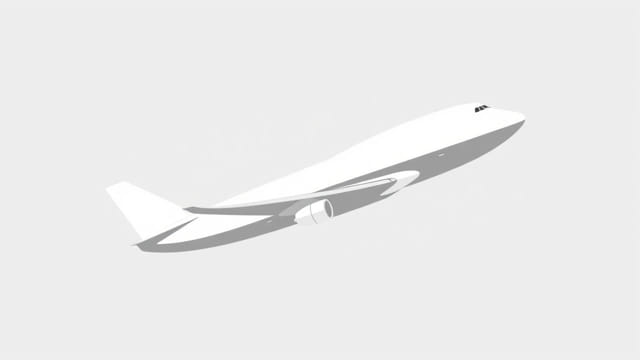
The Boeing 747 Supertanker N479EV was one of the most iconic and powerful aerial firefighting aircraft ever developed. Based on the Boeing 747-400 platform, this aircraft was designed to fight large-scale wildfires by delivering massive quantities of fire retardant across vast and rugged terrains. Known for its immense payload capacity, long range, and ability to reach high altitudes, the N479EV served as a critical tool in combating wildfires around the world. Its story reflects a unique combination of aviation engineering and emergency response innovation that captured the attention of both aviation enthusiasts and environmental agencies globally.
History of the Boeing 747 Supertanker N479EV
The Boeing 747-400 Supertanker bearing the registration number N479EV originated as a passenger aircraft. Initially delivered to Japan Airlines in 1991, it served in commercial operations before being acquired by Evergreen International Airlines. After its retirement from passenger service, it was converted into an aerial firefighting platform by Evergreen, which had long envisioned the use of large aircraft for fire suppression missions.
The aircraft’s conversion into a Supertanker was part of a larger initiative to expand aerial firefighting capabilities. N479EV became the third 747 Supertanker to be developed and was completed in the late 2000s. After Evergreen’s financial difficulties and closure, the aircraft’s operations were taken over by Global SuperTanker Services based in Colorado, USA. Under this new management, the Supertanker was upgraded and recertified for firefighting missions, eventually becoming operational around 2016.
Specifications and Capabilities
The N479EV stood out due to its unmatched size and performance. It could deliver more retardant in a single mission than any other aerial firefighting aircraft at the time.
Key specifications:
- Aircraft Type: Boeing 747-400
- Registration: N479EV
- Fire Retardant Capacity: Approximately 19,200 gallons (over 72,000 liters)
- Speed: Up to 600 mph (965 km/h) at cruise altitude
- Range: Over 4,000 nautical miles
- Drop System: Pressurized drop system with segmented releases for precision targeting
This pressurized delivery system allowed the aircraft to make multiple drops on a single mission, providing flexibility and efficiency that was unmatched by smaller aircraft. Additionally, the aircraft could operate from many major airports, thanks to the infrastructure designed for large jets like the 747.
Operational Missions
N479EV saw action in multiple high-profile fire events across the globe. Its missions took it across North and South America, including deployments in the United States, Israel, and Chile. The aircraft became particularly valuable in areas where traditional firefighting tools were limited due to terrain or accessibility.
Notable deployments include:
- California wildfires: Used during several fire seasons, particularly in 2017 and 2018, when record-breaking fires swept across the state.
- Chile wildfires (2017): Deployed internationally to help combat some of the worst wildfires in Chile’s history.
- Israel fires (2016): N479EV was sent as part of an international aid effort to assist Israeli authorities in battling widespread fires.
In each of these missions, the Supertanker demonstrated the effectiveness of large-scale aerial drops, particularly in creating firebreaks and reinforcing ground operations during emergency conditions.
Advantages of the 747 Supertanker
The concept behind using a Boeing 747 as a firefighting aircraft may seem unconventional, but it offered several unique advantages over smaller tankers.
- Massive capacity: Able to carry and drop more than four times the amount of retardant compared to many smaller firefighting aircraft.
- Global reach: With the range and speed of a commercial jetliner, the Supertanker could be deployed rapidly across continents.
- Segmented drops: The advanced drop system allowed for multiple, precise retardant releases per flight, improving efficiency and strategic application.
- High-altitude operations: Capable of reaching fire zones in mountainous or elevated areas that challenge smaller planes.
Its size and pressurized tanks also meant it could deliver drops from higher altitudes, improving safety for crew and aircraft while still maintaining drop accuracy.
Challenges and Limitations
Despite its capabilities, the Boeing 747 Supertanker also faced significant challenges that ultimately affected its long-term sustainability.
Operational Costs
The sheer size of the aircraft meant high maintenance and operating costs. Fuel consumption, staffing, and airport fees were significantly more expensive than for smaller aircraft, making it more challenging for agencies with limited budgets to justify its use on a regular basis.
Airport Requirements
The aircraft could only operate from airports capable of accommodating a Boeing 747. This restricted its deployment in remote areas, often requiring extra planning and ground logistics to ferry retardant to appropriate airports or work in tandem with smaller aircraft closer to fire zones.
Bureaucratic and Contractual Barriers
One of the major difficulties the Supertanker faced was navigating government contracting processes. In the United States, its usage was often limited by delays in regulatory approvals or disputes over contracts with fire management agencies such as the U.S. Forest Service. These bureaucratic obstacles limited its deployment potential despite proven performance.
Retirement and Legacy
In 2021, Global SuperTanker Services announced that the N479EV Supertanker would be taken out of service. The decision was attributed to financial constraints and a lack of long-term support from government agencies. The aircraft was officially retired, and discussions about selling or repurposing it surfaced shortly after.
Though no longer operational, the Supertanker left behind a powerful legacy. It demonstrated the viability and effectiveness of ultra-large firefighting aircraft in managing increasingly severe wildfire seasons. It also inspired further innovation in aerial firefighting technologies and strategies.
Future of Aerial Firefighting
The N479EV may have exited the skies, but its impact continues to shape the future of wildfire response. Climate change and urban expansion into fire-prone areas are making wildfires more dangerous and frequent. As a result, many governments and private firms are exploring new large tanker aircraft, drones, and satellite-based early warning systems.
Innovations in fire retardant deployment, improved aircraft designs, and strategic planning may eventually bring another aircraft with capabilities similar to or greater than the Boeing 747 Supertanker. Its history remains a valuable case study in what is possible when aviation technology is applied to urgent environmental challenges.
The Boeing 747 Supertanker N479EV was more than just a modified jet it was a bold attempt to revolutionize wildfire suppression. Through its massive payload, global reach, and high-profile deployments, it showcased the strengths and complexities of deploying large aircraft in emergency scenarios. While operational challenges ultimately led to its retirement, its story underscores the growing need for innovation in aerial firefighting. As wildfires become more intense across the globe, the legacy of the 747 Supertanker continues to inspire both admiration and urgent reflection on how best to combat nature’s most destructive forces.