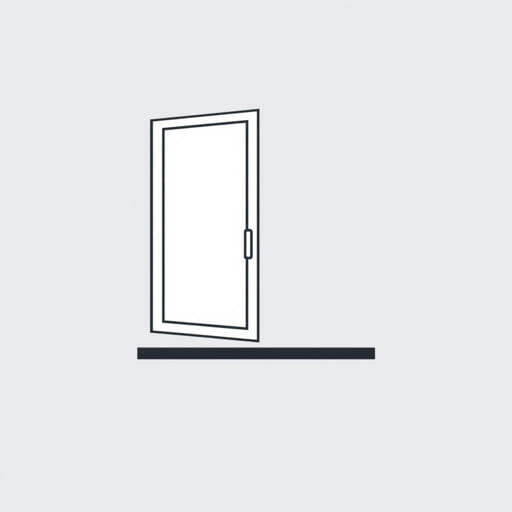
When choosing windows for your home, understanding the direction in which a window opens can significantly impact both functionality and design. A left hand casement window is one such option that offers a unique set of benefits for homeowners. Casement windows in general are hinged on one side and swing outward, providing full ventilation and unobstructed views. Specifically, a left hand casement window is hinged on the left side when viewed from the inside and opens toward the right. This simple orientation detail plays an important role in how the window complements the layout of a room and fits into the overall design plan.
What Is a Left Hand Casement Window?
A left hand casement window is a type of window that opens outward with a hinge located on the left side of the frame. It is operated by a crank handle that allows you to swing the sash open like a door. This design makes it easier to control airflow and direct breezes into a room, which can be particularly helpful during warmer months. The direction of the hinge determines the designation if the hinge is on the left and the window opens to the right, it’s a left hand casement.
Casement Window Functionality
Casement windows, including left hand models, offer several functional advantages:
- Excellent ventilation due to the full window opening.
- Energy efficiency thanks to a tight seal when closed.
- Clear, unobstructed views because there is no center divider.
- Ease of operation with a crank handle system.
Left Hand vs. Right Hand Casement Windows
One of the most common questions when shopping for casement windows is the difference between left hand and right hand configurations. The distinction is important for symmetry, furniture placement, and general usability.
How to Identify Handing
To determine if a window is left hand or right hand, stand inside the room facing the window. If the hinges are on your left and the window opens to the right, it is a left hand casement window. Conversely, if the hinges are on the right and the window opens to the left, it is a right hand casement window. This standard identification method ensures consistency during installation and design planning.
Choosing the Right Handing for Your Space
Several factors influence the decision to install a left hand casement window over a right hand version:
- Room layout: Consider where furniture and wall obstructions are located. The direction of the window swing should not interfere with interior elements.
- Ventilation patterns: Think about prevailing wind directions and how you want air to circulate in the room.
- Aesthetic balance: In rooms with multiple windows, alternating left and right hand casement windows can provide a pleasing visual balance.
Common Locations for Left Hand Casement Windows
Left hand casement windows are versatile and can be installed in many areas of the home. However, there are certain locations where they are particularly effective:
Kitchen Applications
Installing a left hand casement window above a kitchen sink is a practical choice. Since these windows operate with a crank, they are easy to open even when reaching over a counter. The left hand orientation might be ideal based on sink placement, faucet direction, or surrounding cabinetry.
Living and Dining Rooms
In living areas where ventilation and light are priorities, left hand casement windows can be positioned to bring in breezes and frame outdoor views. When combined with picture windows or other fixed-glass configurations, they provide both form and function.
Bathrooms and Bedrooms
Privacy and airflow are important in bathrooms and bedrooms. A left hand casement window, perhaps paired with frosted or textured glass, can meet both needs efficiently while maintaining a smooth look on the home’s exterior.
Energy Efficiency Benefits
Casement windows, including left hand versions, are known for their superior energy efficiency. When closed, the sash presses tightly against the frame, reducing air leaks. Many models include weatherstripping and multiple panes for added insulation.
Impact on Heating and Cooling
By limiting drafts and keeping interior temperatures stable, left hand casement windows can reduce heating and cooling costs. Their ability to catch breezes and direct air into the home also means less reliance on mechanical ventilation during mild seasons.
Installation Considerations
Proper installation is essential for any window, and left hand casement windows are no exception. Whether replacing old windows or starting fresh with a remodel or new construction, accurate measurements and skilled workmanship are key.
Rough Opening and Framing
The rough opening must match the specific dimensions of the left hand casement window being installed. Since these windows swing outward, exterior clearance should also be checked to avoid interference with landscaping or architectural features.
Security Features
Left hand casement windows often include secure locking mechanisms that are difficult to access from outside. This enhances home safety while maintaining ease of operation from the inside. Some models even include multipoint locking systems for added peace of mind.
Maintenance and Care
Like any window, left hand casement styles require basic maintenance to perform at their best. Regular cleaning and inspections will help extend the lifespan of the window.
Cleaning Tips
Because casement windows open outward, cleaning both sides of the glass is usually easy from the inside. Make sure the hinges, crank handle, and locking components are free of debris and lubricated if needed.
Seasonal Checks
At the start of each season, check for any signs of wear on the seals or weatherstripping. This simple step helps maintain energy efficiency and prevents moisture intrusion.
Choosing a left hand casement window for your home offers a blend of functionality, style, and energy savings. Whether you’re planning a new installation or replacing an existing window, understanding the benefits and proper use of left hand casement windows will help you make the most informed decision. With their smooth operation, excellent ventilation, and classic appearance, these windows remain a favorite among homeowners looking to enhance both comfort and aesthetics. Carefully consider room layout, airflow direction, and symmetry when selecting window handing, and you’ll enjoy the long-term benefits of a window that truly fits your space.