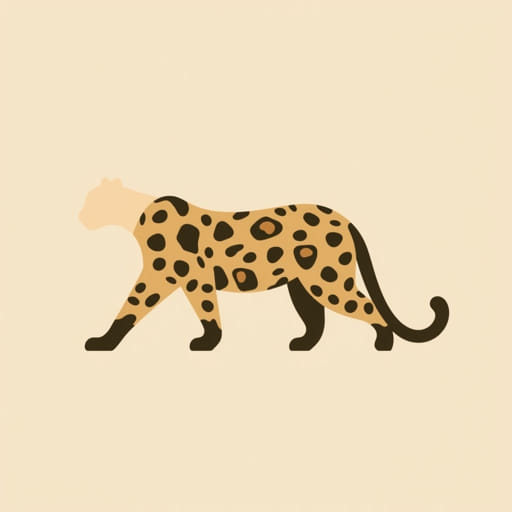
The Amur leopard is one of the most critically endangered big cats on Earth, with a wild population that has hovered near the edge of extinction for decades. Native to the remote forests of the Russian Far East and northeastern China, this elusive predator is known for its incredible beauty, solitary behavior, and ability to survive in harsh climates. Conservationists around the globe have placed the Amur leopard in the spotlight, hoping to protect this magnificent creature from vanishing forever. Understanding key facts about the endangered Amur leopard helps highlight the importance of global conservation efforts and the urgent need to preserve its dwindling population.
Unique Physical Characteristics
Appearance and Adaptations
The Amur leopard stands out among leopards due to its thick fur and distinctive rosette-patterned coat. These adaptations help it survive the cold winters of its northern habitat.
- Coat: Pale cream or golden with widely spaced black rosettes
- Fur length: Can reach up to 7 centimeters in winter
- Tail: Long and thick, aiding in balance and warmth
- Size: Males weigh between 3248 kg; females are slightly smaller
This leopard’s physical features are uniquely suited for snow-covered terrain, providing camouflage and insulation against subzero temperatures.
Habitat and Geographic Range
Where Amur Leopards Live
The Amur leopard has one of the most restricted ranges of any leopard subspecies. It inhabits temperate forests with rugged mountains and seasonal snowfall.
- Primary habitat: Russian Far East (Primorye region)
- Secondary range: Parts of northeast China
- Preferred terrain: Forested hills with dense undergrowth
- Climate: Cold, with harsh winters and moderate summers
This limited range makes the Amur leopard especially vulnerable to environmental changes and human encroachment.
Population Status
Critically Endangered Classification
The Amur leopard is listed as critically endangered on the IUCN Red List. It is considered one of the rarest big cats in the world due to its extremely low population in the wild.
- Estimated wild population: Around 100 individuals as of recent counts
- Captive population: Over 200 individuals in zoos and breeding centers
- Status: Slowly increasing due to focused conservation efforts
Although the numbers have improved slightly, the species remains at high risk of extinction due to habitat loss and genetic bottlenecks.
Diet and Hunting Habits
What the Amur Leopard Eats
This solitary predator primarily feeds on ungulates and smaller mammals, relying on stealth and ambush tactics.
- Main prey: Roe deer, sika deer, hares, and badgers
- Hunting method: Silent stalking followed by a powerful pounce
- Feeding behavior: Often drags prey to a secluded area or tree
- Feeding frequency: Can go several days between kills
The Amur leopard is an apex predator in its ecosystem, playing a key role in maintaining balance among prey populations.
Breeding and Reproduction
Lifecycle and Cubs
Breeding occurs once a year, with cubs typically born in the spring or early summer. Female leopards rear the young on their own in hidden dens.
- Gestation period: 90105 days
- Litter size: 1 to 4 cubs
- Cubs’ dependency: Remain with mother for up to two years
- Maturity: Reach sexual maturity at 2 to 3 years of age
The survival of cubs is highly dependent on maternal care, prey availability, and the absence of human threats in the area.
Behavior and Territory
Solitary Lifestyle
Amur leopards are known for their solitary behavior, except during mating season or when a mother is raising her cubs. Each individual maintains and defends its own territory.
- Territory size: Males may range over 100400 km²
- Activity pattern: Primarily nocturnal and crepuscular (active at dawn and dusk)
- Communication: Use of scent marks and vocalizations to avoid encounters
Their solitary nature means they require expansive habitats to find food and mates, making habitat fragmentation a significant threat.
Main Threats to Survival
Human Impact and Natural Challenges
Despite conservation efforts, the Amur leopard continues to face several serious threats that hinder its recovery in the wild.
- Habitat loss: Deforestation, road construction, and agricultural expansion
- Poaching: Illegal hunting of both leopards and their prey
- Climate change: Alteration of forest structure and prey dynamics
- Inbreeding: Low genetic diversity due to small population size
Each of these threats compounds the others, requiring comprehensive and coordinated responses from governments and conservation groups.
Conservation Success Stories
Hope for the Future
Though critically endangered, the Amur leopard has shown signs of recovery thanks to international conservation programs and habitat protection.
- Protected areas: Land of the Leopard National Park in Russia
- Cross-border collaboration: Joint efforts between Russia and China
- Captive breeding: Managed by international zoos with genetic monitoring
- Anti-poaching units: Patrolling to reduce illegal hunting
Camera traps and GPS collars are helping scientists track leopard movement and better understand their needs, contributing to more effective protection strategies.
Interesting Facts About the Amur Leopard
- Can leap more than 10 feet horizontally and climb trees with ease
- Has longer fur than any other leopard subspecies
- Each individual has a unique rosette pattern, like a fingerprint
- Can survive temperatures as low as -30°C in winter
- Named after the Amur River, which borders Russia and China
The endangered Amur leopard is more than just a rare and beautiful animal it is a symbol of resilience and the urgent need for conservation. Its survival story is one of hope, cooperation, and human responsibility. While the challenges are great, the strides made in recent years show that recovery is possible when awareness, science, and action come together. By learning more about the Amur leopard and supporting efforts to protect its future, we contribute to the preservation of one of nature’s most remarkable predators. Every step taken today helps ensure this magnificent cat continues to roam the forests of the Far East tomorrow.