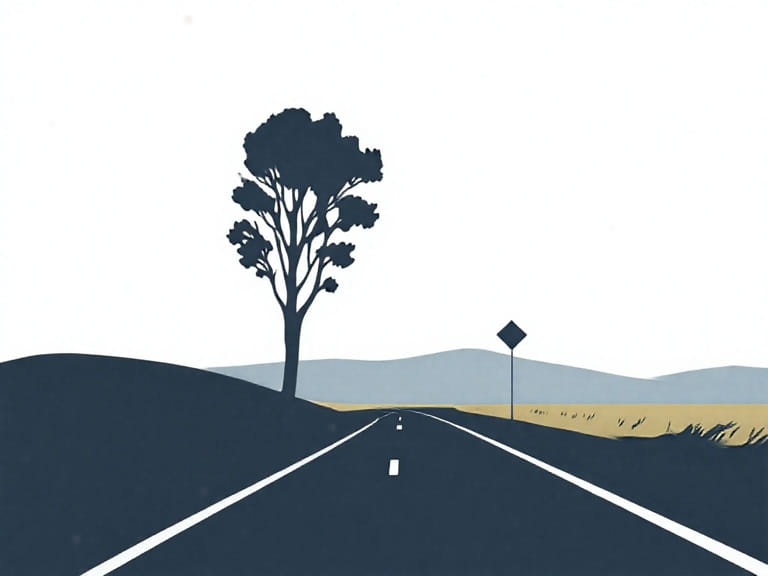
When Walter Salles adapted Jack Kerouac’s legendary novelOn the Roadinto a feature film in 2012, one of the most pivotal elements shaping its artistic identity was the cinematography by Eric Gautier. Known for his intimate, kinetic camera work and naturalistic style, Gautier’s contribution to the film turned a classic piece of Beat literature into a visually vibrant and emotionally immersive cinematic experience. Rather than merely illustrating the text, his lens became a character of its own restless, searching, and in constant motion, mirroring the spirit of the story and the era it represents.
Capturing the Essence of the Beat Generation
One of the biggest challenges in adaptingOn the Roadlies in translating its free-flowing, unstructured narrative and spontaneous energy into a coherent and engaging film. This is where Eric Gautier’s cinematography plays a crucial role. Known for his work in French cinema, particularly with directors like Olivier Assayas and Arnaud Desplechin, Gautier brought a lyrical sensibility and documentary-style realism to the film. His visual language effectively mirrored the improvisational style of Kerouac’s prose and the rebellious spirit of the Beat generation.
Instead of relying on polished Hollywood visuals, Gautier opted for a grainy, handheld camera look that gave the film an earthy, raw texture. The film feels like it’s constantly in motion racing down dusty roads, pausing in dimly lit bars, or gliding through cities pulsing with post-war change. His approach to light and color evokes a bygone era, yet feels strikingly modern in its authenticity.
Visual Storytelling Through Landscapes
AsOn the Roadfollows the journeys of Sal Paradise (a fictionalized Kerouac), Dean Moriarty (based on Neal Cassady), and their friends across America, the film becomes a visual map of post-war America. Gautier’s cinematography turns these landscapes into more than just background scenery they become central to the narrative, symbolic of freedom, escape, and the pursuit of meaning.
From the arid plains of Texas to the snow-covered roads of the Rockies, each frame is composed with care to reflect the characters’ internal states. Wide, open roads represent possibilities and wanderlust, while urban scenes feel more claustrophobic and uncertain. Gautier captures these changes in tone with subtle shifts in lighting and composition, using natural light whenever possible to ground the film in a sense of realism.
Handheld Camera and Intimacy
One of Eric Gautier’s signatures inOn the Roadis his use of handheld camerawork to create intimacy and immediacy. Whether capturing a frenzied jazz club, a drug-fueled night in Mexico, or a quiet roadside stop, the camera feels present and alive, reacting to the actors rather than dictating their movements. This technique allows the viewer to feel like a fellow traveler, sharing the journey rather than simply observing it.
There’s a closeness to the way Gautier shoots human interactions moments of laughter, sorrow, or philosophical musing are rendered with a vulnerability that reflects the emotional turbulence of the characters. In doing so, he brings a warmth and complexity to relationships that might otherwise be overshadowed by the story’s larger themes of rebellion and existential searching.
Collaboration with Walter Salles
The success of Gautier’s work onOn the Roadis also deeply rooted in his collaboration with director Walter Salles. The two had previously worked together onThe Motorcycle Diaries, another road film filled with themes of discovery and transformation. Their shared visual sensibility and understanding of character-driven storytelling allowed them to translate Kerouac’s vision into a coherent and emotionally resonant film.
During production, Gautier and Salles reportedly prioritized an organic approach to filmmaking. Much of the film was shot in natural settings, with real weather conditions and minimal artificial lighting. This method not only enhanced the film’s authenticity but also mirrored the spontaneous, unpredictable nature of life on the road a central theme in Kerouac’s novel.
Color, Tone, and the Passage of Time
In addition to movement and intimacy, Gautier’s use of color plays a vital role in shaping the film’s tone. Early scenes are infused with warm, golden hues that suggest hope and vitality. As the narrative progresses and the characters confront disappointment, alienation, and loss, the color palette becomes more subdued and washed out, reflecting a decline in innocence and idealism.
This visual evolution reinforces the idea thatOn the Roadis not just a physical journey, but a spiritual and emotional one. Gautier’s transitions in tone help to express the inevitable passage of time and the fading of youthful exuberance. His cinematography serves as a visual timeline, chronicling the transformation of characters through subtle shifts in lighting and composition.
Use of Film vs. Digital
ForOn the Road, Eric Gautier made the deliberate decision to shoot on film rather than digital. This choice added a texture and depth that digital cameras at the time couldn’t replicate. Film stock helped reinforce the movie’s mid-century setting and created a sense of timelessness that resonated with Kerouac’s universal themes of longing and self-discovery.
By using film, Gautier achieved a visual authenticity that complemented the raw emotions and period-specific details of the story. The grainy imperfections of the medium served to remind viewers that this was a portrayal of real, messy human experiences not a polished fantasy.
Critical Reception and Legacy
Although the film received mixed reviews for its narrative structure and pacing, Eric Gautier’s cinematography was widely praised. Critics noted that the film’s visual storytelling often did more to convey emotion and meaning than the dialogue itself. Gautier’s work was seen as essential in bringing the wandering, restless spirit of Kerouac’s novel to life on the screen.
In many ways, Gautier’s contribution toOn the Roadcontinues to be a touchstone for how literature can be translated into film through atmosphere and tone rather than plot alone. His cinematography is a case study in how to use the camera not just to document, but to interpret to become part of the emotional architecture of a film.
A Journey Made Visible
Eric Gautier’s work onOn the Roadis more than a technical accomplishment it’s a poetic translation of a generation’s longing into visual form. Through light, motion, and texture, Gautier helps the audience feel the Beat generation’s hunger for meaning, freedom, and experience. His cinematography doesn’t just show the journey; it embodies it.
In capturing the emotional landscape of the characters as vividly as the physical one, Gautier ensured thatOn the Roadwould not just be remembered as an adaptation, but as a visual meditation on what it means to wander, to seek, and to be alive.