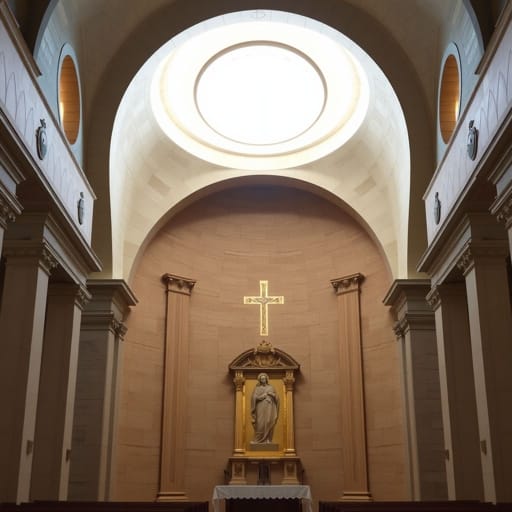
Exploring the Sacred History Inside the Basilica of the Holy SepulchreThe Basilica of the Holy Sepulchre, located in the heart of the Old City of Jerusalem, is one of the most revered sites in Christianity. Believed to be the location of both the crucifixion and resurrection of Jesus Christ, the church attracts millions of pilgrims and tourists each year. Its spiritual significance, historical depth, and architectural grandeur make it a destination unlike any other.
The Historical Background of the Basilica
The Basilica of the Holy Sepulchre dates back to the 4th century. It was commissioned by Emperor Constantine the Great and his mother, Helena, after Christianity was legalized in the Roman Empire. According to tradition, Helena identified the location as Golgotha, where Jesus was crucified, and the tomb where He was buried and resurrected.
Construction of the basilica began around 326 AD and was completed a few years later. Since then, the church has undergone several reconstructions due to fires, earthquakes, and conquests, but it has retained its spiritual importance throughout centuries.
The Church’s Significance in Christianity
Christians believe that within the walls of this basilica are the two most important events in the story of salvation the crucifixion and resurrection of Jesus. The church houses
-
Golgotha (Calvary) The hill where Jesus was crucified.
-
The Stone of Anointing Where Jesus’ body was prepared for burial.
-
The Aedicule A small shrine that encloses the tomb of Christ.
These sacred spaces remind visitors of the deep suffering, sacrifice, and victory over death that Jesus accomplished. This makes the basilica a focal point for prayer, reflection, and devotion.
Architectural Layout and Symbolism
The basilica is a complex blend of chapels, corridors, and altars shared by different Christian denominations. Its structure reflects both Roman and Byzantine architectural styles, layered with centuries of history.
Some notable sections of the church include
1. The Rotunda and the Aedicule
At the center of the rotunda is the Aedicule, a structure built over the traditional tomb of Jesus. This space is the heart of the basilica and the main reason pilgrims come. It contains two small rooms one where the angel is believed to have stood, and another where the body of Jesus was laid.
2. Golgotha (Calvary)
Visitors must climb steep steps to reach this chapel. The site is marked by a glass-covered altar, under which lies the rock believed to be the exact spot of the crucifixion. The Chapel of the Crucifixion and the Chapel of Adam are located here.
3. The Stone of Anointing
Just inside the main entrance lies a large stone slab. It is traditionally believed to be the place where Jesus’ body was anointed and wrapped in linen after being taken down from the cross.
Shared Custody and Religious Traditions
One of the unique aspects of the Basilica of the Holy Sepulchre is the shared custodianship among six Christian denominations the Greek Orthodox, Roman Catholic, Armenian Apostolic, Coptic Orthodox, Syriac Orthodox, and Ethiopian Orthodox churches.
Due to past conflicts over control of the site, a delicate agreement called the Status Quo was established in the 19th century. It governs the times and areas each denomination may access and perform rituals. Interestingly, the keys to the basilica are held by a Muslim family, a centuries-old tradition to maintain neutrality and peace.
Spiritual Experience for Pilgrims
For many visitors, stepping into the basilica is more than a tour it’s a profound spiritual journey. Pilgrims often kneel, weep, and pray in silence. The air is filled with the smell of incense and the echoes of ancient hymns. Some carry crosses through the streets before arriving, retracing the path of Jesus on the Via Dolorosa.
Regardless of one’s denomination, the experience inside the church is one of reverence, humility, and awe.
Visiting the Basilica Today
Today, the Basilica of the Holy Sepulchre remains open to visitors from all over the world. It is located within the Christian Quarter of Jerusalem’s Old City, easily accessible by foot. Early mornings tend to be quieter and ideal for reflection. Visitors are encouraged to dress modestly and respect the sacred atmosphere.
The church continues to serve as a place of worship, particularly during major Christian holidays such as Easter and Good Friday, when elaborate ceremonies are held by different communities.
Recent Restorations and Preservation
Due to its age and importance, the basilica has undergone several restoration efforts. The most recent major project focused on stabilizing and restoring the Aedicule in 2016-2017. This work was completed with cooperation from various denominations and funded by international support. These efforts aim to preserve the sacred site for future generations while maintaining its historical authenticity.
A Testament of Faith Through Time
The Basilica of the Holy Sepulchre is not just a building it’s a living testimony of faith, resilience, and unity. Despite centuries of war, damage, and religious tension, it has stood firm as a symbol of hope and resurrection.
For believers, it is a place where the stories of Scripture come alive. For others, it is a powerful reminder of the historical and cultural legacy of Jerusalem.
Conclusion A Sacred Space Worth Experiencing
Visiting the Basilica of the Holy Sepulchre offers more than a historical experience it invites a personal connection to the foundation of Christian belief. Whether one comes as a pilgrim, a seeker, or a curious traveler, the church provides a space where the sacred meets the earthly.
It tells the story of a man who was crucified, buried, and rose again a story that has changed lives for over two thousand years and continues to inspire faith and devotion across the globe.