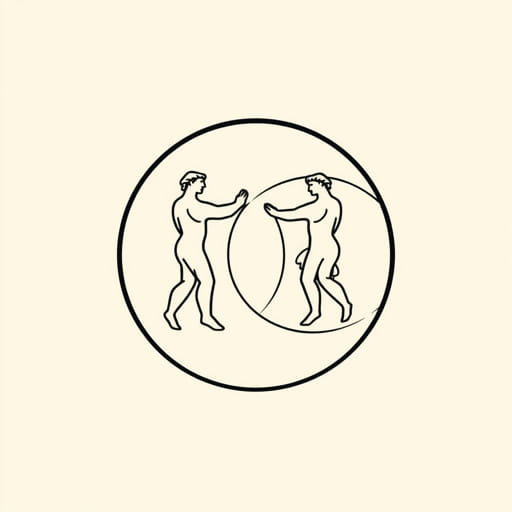
Venn Diagram Comparison of Daedalus and Icarus A Mythological AnalysisThe myth of Daedalus and Icarus is one of the most famous tales from Greek mythology. It tells the story of a brilliant inventor and his adventurous son, who attempt to escape imprisonment using wings crafted from feathers and wax. While the tale is filled with creativity, wonder, and flight, it is also a powerful warning about hubris and the dangers of ignoring advice.
By examining Daedalus and Icarus through a Venn diagram, we can better understand their similarities and differences in personality, role, and actions. This comparative approach helps us appreciate the deeper meanings behind their legendary flight.
Who Was Daedalus?
Daedalus was a master craftsman, inventor, and architect in Greek mythology. Known for his intelligence and ingenuity, he was responsible for creating the Labyrinth a complex maze built to house the Minotaur. When King Minos of Crete imprisoned him to prevent him from spreading his knowledge of the Labyrinth, Daedalus devised an escape plan using wings made from feathers and wax.
Daedalus represents wisdom, skill, and caution. He carefully crafted the wings and warned his son not to fly too close to the sun or too close to the sea.
Who Was Icarus?
Icarus was the son of Daedalus. While he inherited some of his father’s intelligence, he also displayed youthful excitement and recklessness. Despite Daedalus’s warnings, Icarus flew too high during their escape. The heat of the sun melted the wax on his wings, and he fell into the sea and drowned.
Icarus symbolizes youthful ambition, disobedience, and the dangers of overconfidence. His fall is a tragic reminder that freedom without discipline can lead to disaster.
Building the Venn Diagram
A Venn diagram is a visual tool used to show the similarities and differences between two subjects. For Daedalus and Icarus, we can compare them using three key categories
-
Unique Traits of Daedalus
-
Unique Traits of Icarus
-
Traits They Share
Let’s break down each section.
Traits Unique to Daedalus
-
Inventor and Builder Daedalus was a skilled craftsman who created the Labyrinth and the wings.
-
Cautious and Wise He carefully planned the escape and gave detailed instructions.
-
Experienced Adult His actions were based on knowledge and foresight.
-
Survivor Daedalus succeeded in escaping and lived on after the tragedy.
-
Symbol of Reason He represents logic and careful planning in the myth.
Traits Unique to Icarus
-
Young and Impulsive Icarus was youthful and full of energy, often ignoring advice.
-
Overconfident He believed he could fly higher than advised.
-
Tragic Victim His disobedience led to his death.
-
Symbol of Hubris Icarus’s story is often used to illustrate pride and ambition taken too far.
-
Emotional Drive Unlike his father, Icarus followed his feelings rather than logic.
Shared Traits
-
Escapees of Crete Both were imprisoned and tried to escape.
-
Wore Wax Wings They both used wings crafted by Daedalus.
-
Father and Son Their relationship is central to the story.
-
Connected to Flight Both characters are associated with human attempts to fly.
-
Mythological Figures Their tale serves as a lesson in Greek mythology.
Deeper Meaning of Their Comparison
The contrast between Daedalus and Icarus highlights a recurring theme in mythology the balance between reason and emotion, caution and ambition. Daedalus, the symbol of careful calculation, survives. Icarus, the symbol of youthful desire and defiance, falls.
This duality is not just a mythological device but a mirror of human nature. Many people see themselves in Icarus’s dream of soaring higher, while others value the grounded wisdom of Daedalus.
Why the Venn Diagram Matters
Using a Venn diagram to analyze Daedalus and Icarus helps students and readers see both the individuality of each character and how they relate to each other. It’s a useful tool in education, especially for teaching literature, mythology, and character development.
By visually organizing the traits, readers can easily understand how both figures serve unique roles in the myth, yet remain linked through their shared journey and tragic outcome.
The story of Daedalus and Icarus is more than a myth it’s a timeless tale about ambition, caution, and the consequences of choices. When we break it down through a Venn diagram, we see how Daedalus’s logic contrasts with Icarus’s emotion, yet both contribute to the myth’s lasting impact.
Understanding these differences and similarities helps us reflect on our own lives. Are we like Daedalus, careful and calculating? Or like Icarus, bold and daring? Perhaps we are a bit of both.
This myth, and the comparison within it, continues to resonate with people across generations, offering lessons not only in literature but in life.