What Is the Meaning of Oaf? A Simple Guide to Understanding This Humorous WordThe English language is full of colorful and quirky words that bring humor and character to everyday speech. One such word is oaf. Although it may sound funny, oaf has a long history and specific usage in the language. But what does it really mean? Who can be called an oaf, and is it always meant to insult someone?
This topic explains the meaning of oaf, its origin, how it’s used in conversation, and when it’s appropriate to use the term.
Definition of Oaf
The word oaf is used to describe a person who is clumsy, awkward, or not very intelligent. It usually refers to someone who might mean well but often causes trouble due to their lack of grace or awareness.
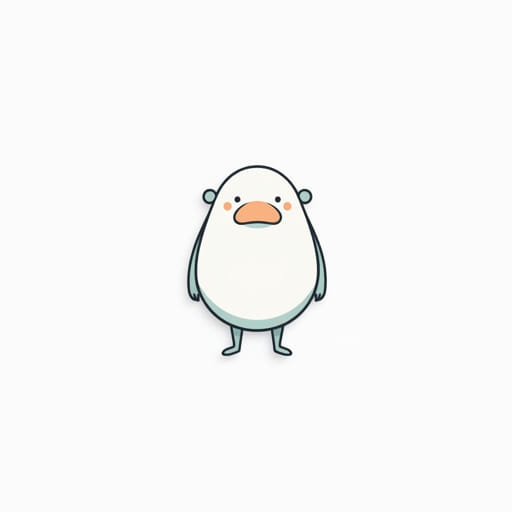
In simple terms, an oaf is a big, goofy person who often messes things up unintentionally. The word is informal and often used in a humorous or teasing way.
Etymology Where Does Oaf Come From?
The word oaf has an interesting origin. It comes from the older term auf, which itself came from the word elf. In early English folklore, an auf or oaf was believed to be a child swapped by fairies known as a ‘changeling’ who grew up looking human but was slow or awkward.
Over time, the word evolved from its mystical roots and came to refer more generally to anyone who is slow-witted, clumsy, or foolish.
Common Characteristics of an Oaf
When someone is described as an oaf, it usually suggests they display one or more of these traits
-
Physically clumsy They might bump into things, drop items, or make a mess.
-
Lacking social awareness They may say or do things without thinking.
-
Goofy or awkward Their actions can seem exaggerated or silly.
-
Good-hearted (sometimes) Often, oafs are not mean they’re just not very graceful.
An oaf is not necessarily mean-spirited or harmful. In many cases, it’s a playful or affectionate insult.
How Is Oaf Used in a Sentence?
Here are some real-life examples of how oaf might be used in casual conversation
-
Don’t be such an oaf! You knocked over the whole table.
-
He’s a lovable oaf, always trying to help but making things worse.
-
You big oaf, that wasn’t the right door!
The tone matters a lot. Depending on how it’s said, it could come across as teasing, critical, or affectionate.
Is Oaf an Insult?
Yes and no. It depends on the context and the relationship between the people involved. In friendly conversation, oaf can be a light insult used to poke fun. In other situations, especially if said seriously, it might offend someone.
For example
-
A parent jokingly calling a teenager an oaf after a harmless mistake is usually fine.
-
A boss calling an employee an oaf during a meeting would be unprofessional and rude.
So, it’s best used in casual, familiar settings where everyone understands the tone.
Synonyms and Related Words
If you’re looking for similar words to oaf, here are a few options
-
Clutz – Someone who is physically awkward or always tripping over things
-
Lug – A big, often clueless or heavy person
-
Dolt – Someone who is not very intelligent
-
Buffoon – A person who behaves in a silly or foolish way
-
Lummox – A large, clumsy person
Each word carries a slightly different shade of meaning, but they all relate to the idea of someone being socially or physically awkward.
Oaf in Pop Culture
The idea of the lovable oaf is a popular character type in movies and television. You might recognize oafish characters in classic comedy roles or cartoons. These characters are usually well-meaning but end up creating chaos due to their lack of awareness or coordination.
Examples include
-
The friendly but clueless sidekick in many adventure films
-
Clumsy giants or large figures in fairy tales
-
Overgrown, silly characters in animated movies
These portrayals have helped keep the word oaf alive in modern English, especially in humorous storytelling.
Oaf vs. Bully
It’s important to note the difference between an oaf and a bully. An oaf may accidentally cause trouble or hurt feelings because of awkward behavior. A bully, on the other hand, acts with intention to hurt or dominate others.
The oaf is often clueless, not cruel. That’s why oaf can sometimes be used affectionately or in a forgiving tone.
How to Use Oaf Without Being Rude
To make sure you’re using the word oaf correctly and kindly, consider these tips
-
Know your audience Use it only with people who understand your humor.
-
Watch your tone Say it with a smile or laugh, not with anger.
-
Use it sparingly Don’t repeat it too often or with strangers.
-
Stick to casual settings Avoid using it in formal or professional environments.
Used correctly, oaf can be a fun word to describe someone’s silly or clumsy moment.
Final Thoughts Should You Use the Word Oaf?
The word oaf adds flavor to English in a humorous and informal way. It’s not meant for serious writing or formal situations, but in the right context, it can describe someone’s behavior in a light-hearted, colorful manner.
Whether you’re reading a book, watching a comedy, or joking with friends, you’ll likely come across this quirky term. Now that you understand its meaning, origin, and tone, you can use oaf with confidence just remember to keep it friendly.
So the next time someone knocks over a glass of juice or walks into a door, you might just smile and say, You big oaf! and everyone will understand exactly what you mean.