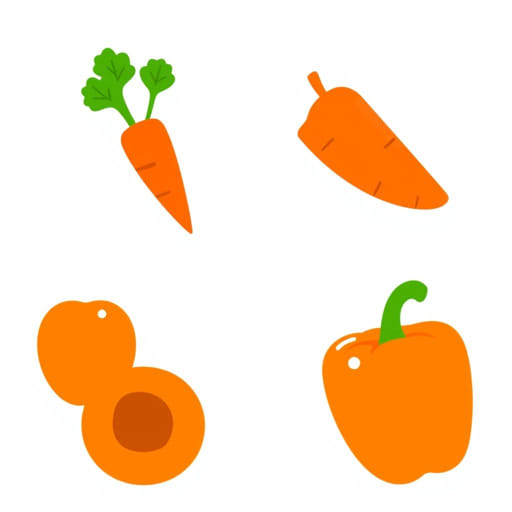
What Foods Are Rich in Beta Carotene? A Simple Guide to Boosting Your Vitamin A NaturallyBeta carotene is a powerful antioxidant found in colorful fruits and vegetables. It is a type of carotenoid that the body converts into vitamin A, an essential nutrient for eye health, immune function, and skin maintenance. If you’re looking to naturally increase your vitamin A intake, focusing on foods rich in beta carotene is a smart choice.
This topic explores what foods are rich in beta carotene, how they support your health, and how to include them in your daily meals.
What Is Beta Carotene?
Beta carotene is a plant pigment responsible for the bright orange, red, and yellow colors in many fruits and vegetables. It’s classified as a provitamin A carotenoid, which means the body can convert it into active vitamin A as needed. Unlike preformed vitamin A found in animal sources, beta carotene from plants is non-toxic even in high amounts.
Why Beta Carotene Matters
Beta carotene offers several health benefits
-
Supports vision, particularly in low-light conditions
-
Strengthens the immune system
-
Promotes healthy skin and mucous membranes
-
Acts as an antioxidant, protecting cells from damage
-
May reduce the risk of chronic diseases when part of a balanced diet
Eating a diet rich in beta carotene helps ensure that your body has a steady supply of vitamin A without the risk of overdose.
Top Food Sources of Beta Carotene
Let’s take a closer look at some of the most common and accessible foods rich in beta carotene.
1. Carrots
Carrots are one of the best-known sources. Their bright orange color is a sign of high beta carotene content. Just one medium carrot can supply more than the daily requirement of vitamin A. They can be eaten raw, cooked, or juiced.
2. Sweet Potatoes
These root vegetables are packed with beta carotene, especially the orange-fleshed varieties. A baked sweet potato is not only filling but also provides a large dose of vitamin A.
3. Pumpkin
Whether fresh or canned, pumpkin is an excellent source. It’s commonly used in soups, pies, and stews, offering both flavor and nutrition.
4. Butternut Squash
With its soft texture and naturally sweet flavor, butternut squash is another great source. Roasting or pureeing it into soups can make it easy to include in your meals.
5. Red and Orange Bell Peppers
These vibrant peppers are not only high in beta carotene but also rich in vitamin C. They are excellent raw in salads or sautéed in stir-fries.
6. Dark Leafy Greens
Greens like spinach, kale, collard greens, and Swiss chard contain high levels of beta carotene, even though their deep green color hides the orange pigment. They are especially powerful when cooked lightly.
7. Cantaloupe
This juicy melon is sweet and refreshing, making it an ideal snack or breakfast food. Its orange flesh is a clear indicator of its beta carotene content.
8. Mangoes
Mangoes are not only delicious but also a good source of beta carotene. Their rich yellow-orange color is a clue to their nutrient density.
9. Apricots
Both fresh and dried apricots provide beta carotene. They make a great addition to oatmeal, yogurt, or baked goods.
10. Red Palm Oil
This oil has an intense red-orange color and contains a high concentration of beta carotene. It’s used in various cuisines and can be added to rice or stews.
Tips to Enhance Beta Carotene Absorption
Beta carotene is a fat-soluble compound, which means it’s best absorbed when eaten with a small amount of healthy fat. Some simple tips include
-
Drizzling olive oil on steamed vegetables
-
Cooking leafy greens in a little coconut or avocado oil
-
Adding nuts or seeds to fruit salads
-
Blending mango or cantaloupe into smoothies with yogurt or nut milk
Cooking can also help. Light steaming or roasting breaks down plant cell walls, allowing your body to absorb more beta carotene from foods like carrots and spinach.
Daily Requirements and Safe Intake
There is no specific recommended daily intake for beta carotene itself. Instead, the focus is on vitamin A needs
-
Adult men about 900 micrograms of retinol activity equivalents (RAE) per day
-
Adult women about 700 micrograms RAE per day
One microgram RAE is equivalent to about 12 micrograms of dietary beta carotene. Because your body converts only what it needs, there is little risk of toxicity from plant sources.
Who Should Focus on Beta Carotene?
Certain groups may benefit from increased beta carotene intake
-
Vegetarians and vegans Since they don’t consume animal sources of vitamin A, plant-based beta carotene becomes crucial
-
People with poor diets Those lacking fruits and vegetables are at higher risk of vitamin A deficiency
-
Individuals with vision concerns Beta carotene supports healthy eyesight, particularly night vision
-
Smokers and those exposed to pollution Antioxidants like beta carotene can help counter oxidative stress
However, it’s worth noting that beta carotene supplements are not recommended for smokers, as some studies have linked them to increased health risks. Naturally occurring beta carotene in food is still considered safe.
Easy Ways to Add More Beta Carotene to Your Diet
You don’t need to overhaul your entire diet to enjoy the benefits of beta carotene. Here are a few easy ideas
-
Start your day with a mango smoothie or cantaloupe slices
-
Add grated carrots to sandwiches or wraps
-
Swap regular fries for baked sweet potato wedges
-
Make a spinach and bell pepper stir-fry
-
Add pumpkin puree to your oatmeal or pancake batter
-
Roast a batch of butternut squash and keep it in the fridge for quick meals
Eating a variety of colorful fruits and vegetables every day ensures you’re getting not only beta carotene but also a wide range of other nutrients.
Beta carotene is a valuable nutrient that supports many aspects of health, from vision to immunity to skin care. Luckily, it’s found in a wide range of delicious foods that are easy to include in your daily meals.
By focusing on colorful vegetables and fruits like carrots, sweet potatoes, spinach, mangoes, and squash, you can naturally boost your beta carotene intake. Combined with a healthy fat and light cooking methods, you’ll be maximizing the benefits of this important antioxidant without any effort.
Simple, colorful, and healthy that’s the power of beta carotene in your diet.