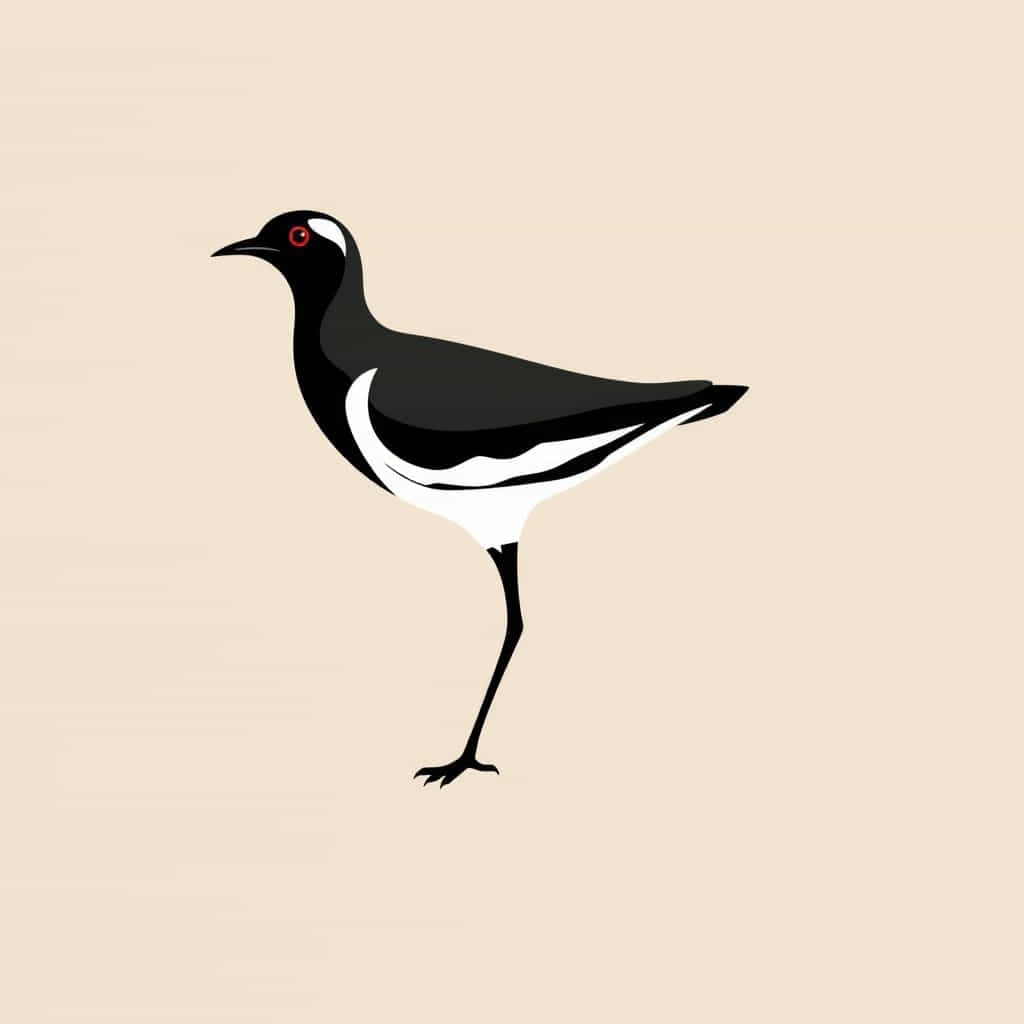
The Red-Wattled Lapwing (Vanellus indicus) is a striking bird found across South Asia, including Pakistan, India, Sri Lanka, and parts of Southeast Asia. Known for its distinctive red wattles and loud calls, this bird is commonly seen in wetlands, open fields, and near water bodies.
In Urdu, the Red-Wattled Lapwing is called ٹیٹیری” (Titori), a name inspired by its call. This topic explores its appearance, habitat, diet, behavior, and cultural significance.
1. Physical Characteristics of the Red-Wattled Lapwing
Size and Appearance
-
The Red-Wattled Lapwing is a medium-sized bird, measuring 30-35 cm (12-14 inches) in length.
-
It has a black head, white underparts, and brownish wings.
-
Its long, yellow legs make it easily recognizable.
-
The most distinctive feature is its bright red wattle near the beak.
Distinctive Features
-
Loud “Did-You-Do-It” Call: The bird is famous for its continuous and loud calls, often sounding like “Did you do it?”
-
Striking Red Wattles: These fleshy red growths near its beak are unique to the species.
-
Fast Runners: Despite their ability to fly, they often run on the ground when disturbed.
2. Habitat and Distribution
Where Do Red-Wattled Lapwings Live?
-
Found in South Asia, Southeast Asia, and parts of the Middle East.
-
Prefers open grasslands, riverbanks, marshes, and agricultural fields.
-
Often seen near water bodies, as they rely on wet soil for food.
Urban and Rural Presence
-
Common in farmlands, city parks, and even near human settlements.
-
Frequently found in Pakistan, India, Bangladesh, Nepal, and Sri Lanka.
3. Behavior and Lifestyle
Territorial and Vocal
-
The Red-Wattled Lapwing is highly territorial and will aggressively defend its nesting area.
-
It produces loud, repeated calls to warn intruders or potential threats.
Flight and Movement
-
Flies with rapid wingbeats but prefers to stay on the ground.
-
Uses a zigzag running pattern when escaping predators.
Mating and Nesting
-
Breeding season occurs from March to July, depending on the region.
-
Lays 3-4 eggs in a simple ground nest, often near water.
-
Both male and female take turns incubating the eggs.
4. Diet and Feeding Habits
What Do Red-Wattled Lapwings Eat?
-
They are insectivores, feeding on insects, worms, mollusks, and small crustaceans.
-
Occasionally consume small seeds and grains.
-
Search for food in muddy areas, fields, and shallow water.
5. Role in the Ecosystem
Natural Pest Controllers
-
They help control insect populations by eating pests harmful to crops.
-
Farmers consider them beneficial birds in agriculture.
Indicators of a Healthy Environment
-
Their presence signals clean wetlands and balanced ecosystems.
-
Declining numbers may indicate habitat loss or pollution.
6. Cultural and Folklore Significance
Symbolism in South Asian Culture
-
In Urdu and Hindi poetry, the Titori (Lapwing) is often mentioned for its restless nature.
-
Associated with rain predictions, as their calls are believed to signal approaching rain.
Superstitions and Beliefs
-
In some regions, their loud calls at night are thought to warn of impending danger.
-
Some farmers believe their presence brings good fortune to crops.
7. Conservation and Threats
Is the Red-Wattled Lapwing Endangered?
-
Currently classified as “Least Concern” by conservation organizations.
-
However, threats like habitat destruction, pollution, and urbanization pose risks.
How Can We Protect Them?
-
Preserving wetlands and grasslands helps maintain their habitat.
-
Reducing pesticide use prevents contamination of their food sources.
-
Raising awareness about their role in the ecosystem ensures better protection.
The Red-Wattled Lapwing, or Titori, is a remarkable bird known for its distinctive appearance, loud calls, and ecological importance. Found in wetlands and open fields, it plays a vital role in controlling insect populations and indicating environmental health.
Understanding and protecting this species is essential to preserving the natural balance of wetlands and agricultural landscapes.
“