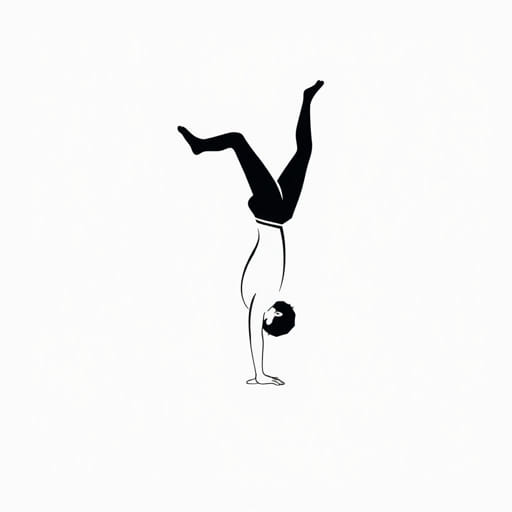
Learning to do a cartwheel is often one of the first gymnastic movements children attempt when they begin to explore physical coordination and balance. While it may look simple and spontaneous, performing a proper cartwheel involves more than just spinning sideways through the air. It requires strength, technique, body awareness, and a sense of rhythm. Whether for fun, fitness, dance, cheerleading, or gymnastics, mastering how to do a cartwheel can be both empowering and enjoyable. This topic explores every aspect of how to do a cartwheel from preparation to execution using language that is clear and suitable for readers of all levels.
Understanding What a Cartwheel Is
A cartwheel is a sideways rotational movement where the body moves in an arc, mimicking the motion of a wheel. In its proper form, both hands and feet touch the ground one after the other. It is often taught to children in physical education classes and is a fundamental move in gymnastics. The name comes from the resemblance to a wheel turning as the arms and legs rotate in a circle.
Key Elements of a Cartwheel
- Sideways motion with legs apart
- One hand lands on the ground after the other
- Legs go over the body in a wide split
- Feet land one at a time, in a straight line
Physical Preparation
Before attempting a cartwheel, it’s essential to prepare the body to prevent injury and promote smooth execution. Flexibility and strength are crucial. A warm-up session should include stretching, especially of the legs, shoulders, wrists, and hips.
Stretching Tips
- Do side lunges to open the hips
- Stretch hamstrings and calves with forward bends
- Roll your wrists to prepare for impact
- Stretch arms and shoulders with overhead reaches
Developing Strength
Strength in the arms and core will help you lift and control your body during the cartwheel. Practice exercises such as:
- Plank holds for core engagement
- Push-ups to build arm strength
- Wall handstands to develop balance and shoulder strength
Step-by-Step Guide to Do a Cartwheel
Once your body is ready, follow these steps to perform a cartwheel safely and correctly. Make sure you’re practicing on a soft surface like grass, a mat, or a padded floor.
Step 1: Choose a Direction
Decide whether you’re more comfortable going to the left or right. Most people have a dominant side. If you’re right-handed, you may prefer to lead with your right hand and right leg.
Step 2: Start in a Lunge Position
Stand with one leg in front and the other behind in a wide lunge. Your front knee should be slightly bent and your arms raised straight above your head, close to your ears.
Step 3: Lean Forward and Place Hands
Swing your arms down and plant your first hand on the ground, aligned with your front foot. Quickly follow with your second hand, forming a straight line with your arms and shoulders.
Step 4: Kick Your Legs Over
As your hands touch the ground, kick your back leg up followed by your front leg. Your legs should form a wide ‘V’ or split shape in the air, keeping them straight and toes pointed.
Step 5: Land in a Lunge
Your first foot will land followed by the second, and your body should rise into a standing lunge, similar to the starting position but facing the opposite direction. Keep arms lifted to complete the move gracefully.
Common Mistakes and How to Fix Them
Beginners often face challenges when learning to do a cartwheel. Being aware of common errors can help improve your technique.
- Bent arms: Keep your arms straight to avoid collapsing during the motion.
- Not kicking legs high enough: Use momentum from your legs and hips to lift them over your body.
- Feet not landing in a straight line: Practice alignment drills to ensure your body follows one line throughout the movement.
- Looking at the ground: Try to keep your gaze between your hands while upside down to stay oriented.
Tips for Practicing Cartwheels
Like any physical skill, mastering a cartwheel takes time and repetition. Here are some practical tips to improve faster:
- Use a line on the floor to help with alignment
- Record yourself to analyze body position
- Practice both sides to improve balance and strength
- Work with a coach or experienced friend for feedback
Benefits of Learning to Do a Cartwheel
Aside from being a fun skill to show off, doing a cartwheel can offer many benefits to your physical development. It enhances spatial awareness, coordination, and flexibility. It also builds confidence and encourages active movement in a playful way.
Why It’s Great for Kids
For children, the cartwheel is more than just a gymnastic trick it’s a developmental milestone that combines balance, body control, and confidence. It also improves gross motor skills and helps them stay active in a way that feels like play.
Applications Beyond Gymnastics
Cartwheels are used in dance, martial arts, acrobatics, and cheerleading routines. Even if you don’t pursue any of these disciplines, being able to perform a cartwheel shows a good level of body coordination and athleticism.
Progressing to Advanced Moves
Once you have mastered the basic cartwheel, you can begin working on more advanced variations. These include:
- One-handed cartwheel: Requires extra strength and balance
- Aerial cartwheel: A no-hands version that is more acrobatic
- Round-off: A gymnastic move that finishes with a two-foot landing, often leading into other skills
Learning these moves should be done under the supervision of a coach or with proper safety measures, as they require greater athleticism and training.
To do a cartwheel is to explore the power, balance, and beauty of human movement. While it may seem like a simple childhood skill, the process of learning, practicing, and mastering a cartwheel teaches discipline, body awareness, and physical confidence. Whether you are a beginner or someone revisiting the skill as an adult, the journey of perfecting a cartwheel can be incredibly rewarding. Take your time, be patient, and enjoy the process of flipping your world one hand at a time.