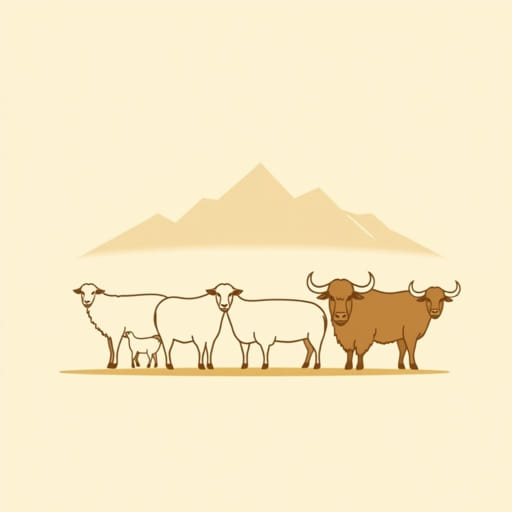
In the vast and diverse region of Xinjiang, located in the far west of China, animal husbandry has long been a foundational aspect of rural life and agricultural development. The region’s wide plains, deserts, grasslands, and mountain valleys offer varied terrain suitable for different types of livestock farming. For centuries, Xinjiang has supported a rich tradition of herding and pastoralism, rooted in both cultural heritage and economic necessity. Today, Xinjiang’s western animal husbandry sector is evolving rapidly, integrating traditional methods with modern techniques to improve productivity, sustainability, and market reach. Understanding the role of animal husbandry in western Xinjiang sheds light on the broader picture of China’s agricultural modernization and regional development.
Geographical and Climatic Context of Xinjiang
Xinjiang Uyghur Autonomous Region spans over 1.6 million square kilometers, making it China’s largest provincial-level region. Western Xinjiang includes areas such as Kashgar, Hotan, and Ili, characterized by arid deserts, semi-arid plains, and high-altitude pastures. The region’s continental climate, with long, cold winters and short, hot summers, influences livestock production cycles and types of animals suited to the environment.
Natural Grasslands and Rangelands
The grasslands in western Xinjiang provide seasonal grazing areas for nomadic and semi-nomadic herders. These rangelands support grazing animals like sheep, goats, yaks, and cattle, which are well adapted to the harsh conditions. Seasonal migration, or transhumance, remains an important practice among many pastoralist communities.
Main Livestock in Xinjiang Western Animal Husbandry
Animal husbandry in this region is diverse, with each livestock type serving specific roles in the economy, culture, and food system.
1. Sheep
Sheep are the most commonly raised livestock in western Xinjiang. The region is known for its high-quality mutton and lamb, which are staples in the local diet. Indigenous breeds like the Altay and Kazakh sheep are well suited to the dry climate and low-nutrient forage. Wool and hides also contribute to the textile industry.
2. Goats
Goats are raised for both meat and milk. Cashmere goats are especially valuable for their fine, soft undercoat, which is used to produce high-end textiles. Goat farming is more prevalent in the hilly and mountainous areas where they can forage on shrubs and hardy plants.
3. Cattle
Beef cattle and dairy cattle are increasingly important in Xinjiang’s livestock sector. Crossbreeding programs aim to enhance productivity, particularly in dairy herds. Milk production is growing due to domestic demand and the development of local processing facilities.
4. Horses and Camels
Horses play a cultural and practical role in many rural areas of Xinjiang. They are used for transport, herding, and festivals. Bactrian camels, with their ability to survive in arid desert conditions, are also raised in western regions like the Tarim Basin.
5. Yaks
Yaks are mainly found in high-altitude areas such as the Pamir Plateau. These animals provide meat, milk, wool, and even fuel (from dried dung). Yak husbandry supports livelihoods in some of the most remote parts of Xinjiang.
Traditional Animal Husbandry Practices
Many herders in Xinjiang still follow traditional animal husbandry methods, which have been passed down through generations. These include:
- Seasonal migrationto access summer and winter pastures
- Hand milkingand small-scale dairy production
- Home-based slaughteringfor local consumption
- Community grazing systemswith shared pasture management
While traditional practices support cultural identity and low-input farming, they can face challenges related to land degradation, water access, and market limitations.
Modernization and Technological Advancements
In recent years, the western animal husbandry sector in Xinjiang has seen increasing investment and modernization. Both government programs and private initiatives have introduced new technologies and practices aimed at increasing output and efficiency.
1. Breeding and Genetics
Improved breeding programs have been introduced to increase meat and milk yields. Artificial insemination and genetic selection are helping to improve herd quality, especially in dairy cattle and sheep.
2. Feed and Nutrition
Shift from open grazing to semi-intensive systems has led to increased use of formulated feeds and fodder crops. This has helped improve animal growth rates and health, although it also raises the cost of production.
3. Animal Health and Veterinary Services
Expansion of veterinary services has improved disease control and animal welfare. Vaccination programs and mobile clinics are now more common in remote herding areas.
4. Infrastructure and Supply Chains
Cold storage, slaughterhouses, and processing plants are being built to support a more integrated livestock value chain. These developments are helping reduce post-harvest losses and improve market access for local producers.
Economic Importance of Animal Husbandry
Animal husbandry in western Xinjiang is not just a way of life it’s a crucial economic activity. It provides income for rural households, especially in areas where crop farming is limited by climate or soil conditions. Major contributions include:
- Employment for herders, processors, and transporters
- Production of meat, dairy, wool, and hides for local and national markets
- Supply of traditional food products to regional festivals and cultural events
- Support for tourism, particularly through ethnic foods and nomadic culture
The government supports livestock production through subsidies, technical training, and market facilitation to enhance rural development and poverty alleviation.
Challenges Facing Western Xinjiang Animal Husbandry
Despite its potential, animal husbandry in Xinjiang faces several challenges that could limit sustainable growth:
- Water scarcitydue to arid climate and competing agricultural needs
- Overgrazingleading to desertification and loss of grassland productivity
- Market accessfor remote producers still constrained by logistics
- Livelihood pressuresas younger generations migrate to cities
- Climate variabilityaffecting seasonal pasture availability
Addressing these issues requires a mix of policy support, education, investment in infrastructure, and community-based resource management.
Future Prospects and Sustainability
The future of Xinjiang’s western animal husbandry lies in balancing productivity with environmental sustainability and cultural preservation. Opportunities for growth include:
- Organic and grass-fed meat and dairy branding
- Ecotourism and cultural tourism linked to nomadic herding
- Digital tools for herd tracking, health management, and market connections
- Cooperative models for small herders to access services and scale up
Sustainable rangeland management, water conservation, and training programs for young herders will also be vital to long-term viability.
Xinjiang western animal husbandry reflects both ancient pastoral traditions and the push toward agricultural modernization. From sheep grazing on vast grasslands to high-tech dairy farms, the region illustrates the diversity and adaptability of livestock systems. As environmental pressures and economic demands grow, the success of this sector will depend on the careful integration of modern practices with respect for ecological balance and cultural heritage. With continued innovation, investment, and support for rural communities, western Xinjiang’s livestock industry can thrive while sustaining its vital role in China’s agricultural landscape.
#kebawah#