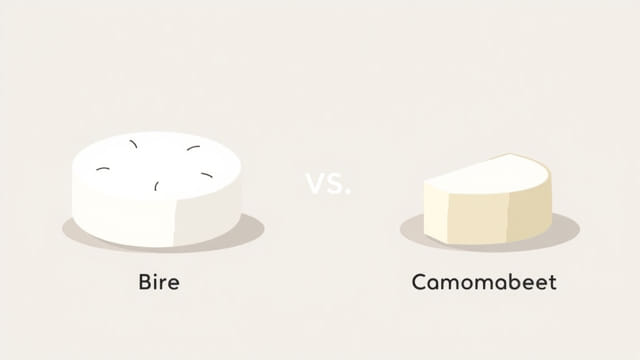
For cheese lovers around the world, Brie and Camembert hold a special place on the cheese board. These soft, bloomy-rind cheeses are both iconic symbols of French dairy tradition. While they may appear similar at first glance, there are several differences that set them apart in terms of origin, production, flavor, and texture. Understanding the distinction between Brie and Camembert can enhance your culinary experiences and help you choose the right cheese for your recipes, pairings, or simply enjoying on its own with a slice of crusty bread. Let’s explore what makes Brie and Camembert unique and how each one contributes to the world of fine cheese.
Origins and History
Brie: The ‘Queen of Cheeses’
Brie originates from the Ãle-de-France region and is often referred to as the Queen of Cheeses. Its production dates back as early as the 8th century and it gained fame at the Congress of Vienna in 1815, where it was declared the finest cheese of all. Traditional Brie, such as Brie de Meaux and Brie de Melun, holds a protected designation of origin (PDO) status within France.
Camembert: The Norman Favorite
Camembert, on the other hand, comes from the Normandy region in northwestern France. It is a relatively younger cheese, having been developed in the late 18th century. Legend has it that Camembert was created by Marie Harel in 1791, inspired by advice from a priest who was familiar with the Brie-making process.
Production Process
Similar Techniques, Subtle Differences
Both Brie and Camembert are made from cow’s milk and follow a similar production process. The milk is curdled using rennet, and the curds are then gently ladled into molds. The cheeses are drained, salted, and aged with Penicillium candidum mold that forms the signature white rind. However, the differences lie in the size and duration of ripening:
- Brie: Usually produced in larger wheels, often around 9 to 14 inches in diameter. The aging period is typically longer, allowing for a more complex flavor.
- Camembert: Made in smaller rounds, about 4.5 inches across. It matures more quickly and develops its flavor within a few weeks.
Flavor and Texture
Brie: Mild and Creamy
Brie has a delicate, buttery flavor with subtle earthy undertones. The texture is soft and creamy, especially when fully ripe. The rind is edible and adds a faint mushroom-like taste to each bite. The larger size of Brie allows it to mature slowly, often resulting in a more nuanced taste that is approachable even for those new to soft cheeses.
Camembert: Stronger and Earthier
Camembert boasts a bolder, more intense flavor profile compared to Brie. It often exhibits strong earthy, barnyard, and mushroom notes. The smaller size contributes to a quicker and sometimes uneven ripening, which can lead to a stronger aroma and more complex interior. Camembert can be slightly firmer at the center and gooier near the rind when perfectly ripened.
Texture and Appearance
- Brie: Pale yellow interior with a white, bloomy rind. The paste is uniformly soft and creamy. It tends to have a higher fat content which contributes to its luxurious mouthfeel.
- Camembert: Slightly firmer and denser texture. The color may be more ivory than pale yellow. The rind may develop reddish or brownish spots as it ages, adding character to its rustic appearance.
Packaging and Shelf Life
Brie in Wedges
Brie is commonly sold in large wheels and then sliced into wedges for retail. Because of its size, it usually ripens from the outside in, which helps maintain a consistent flavor across the wheel. Once cut, Brie is best consumed within a few days for optimal taste and freshness.
Camembert in Wooden Boxes
Camembert is often sold in its traditional round form inside a small wooden box. This packaging protects the cheese and continues to allow it to breathe and ripen. Camembert tends to have a shorter shelf life, especially when nearing its peak ripeness, due to its smaller size and intense maturation process.
Pairing and Serving Suggestions
What to Serve with Brie
- Fresh fruit like apples, grapes, and figs
- Light white wines such as Chardonnay or Champagne
- Crackers or fresh baguette slices
- Almonds or walnuts for a textural contrast
What to Serve with Camembert
- Richer wines such as Pinot Noir or Cider from Normandy
- Rustic bread or sourdough slices
- Caramelized onions or fruit chutney
- Roasted garlic for a bold flavor pairing
Cooking with Brie vs Camembert
Brie in Recipes
Brie is excellent for baking, especially wrapped in puff pastry with a sweet or savory filling. It also melts well on sandwiches and in sauces, thanks to its mild flavor and smooth texture. Brie can be added to omelets, quiches, and creamy pasta dishes for a rich, elegant touch.
Camembert in Cooking
Camembert’s robust flavor stands up well to high-heat preparations. Baked Camembert is a popular appetizer, often served warm and gooey with herbs or honey. Its stronger taste also complements meat dishes and grilled vegetables. Due to its distinctive character, Camembert works well in rustic, hearty recipes.
Nutritional Comparison
- Brie: Higher fat content on average, particularly in double- or triple-cream varieties. A 1-ounce serving provides about 95 calories and 8 grams of fat.
- Camembert: Slightly lower in fat and calories than Brie. A similar portion contains around 85 calories and 7 grams of fat.
Both cheeses are good sources of protein, calcium, and vitamin B12 but should be consumed in moderation due to their saturated fat content.
Which Should You Choose?
The choice between Brie and Camembert ultimately depends on personal taste and intended use. If you prefer a milder, creamier cheese that pairs effortlessly with fruit and nuts, Brie is a great option. If you are looking for a bolder, funkier flavor that stands out in recipes or on a cheese board, Camembert is your go-to. Both offer a delicious journey into French cheese-making heritage and can be enjoyed in a variety of culinary settings.
While Brie and Camembert may seem similar to the untrained eye, they each bring their own identity to the table. From the regions they hail from to the flavors they deliver, both cheeses represent centuries of tradition and culinary artistry. Whether served solo or used in cooking, understanding the subtle differences between Brie and Camembert enhances appreciation for their craftsmanship. The next time you’re choosing between soft cheeses, you’ll be equipped to make a deliciously informed decision.