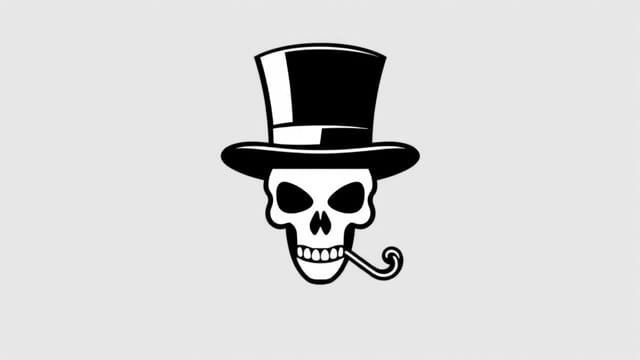
In the rich spiritual traditions of Haitian Vodou and other Afro-Caribbean religions, few figures stand out quite like Baron Samedi. Known for his dark humor, flamboyant style, and powerful presence at the crossroads between life and death, Baron Samedi is not just a symbol of mortality but also of healing, resurrection, and transformation. With a top hat, dark glasses, and a cigar, this enigmatic loa (or spirit) commands attention and respect among Vodou practitioners and curious outsiders alike.
Origins and Role in Haitian Vodou
Baron Samedi is one of the most well-known loa in Haitian Vodou, a religion that blends elements of West African spirituality, Catholicism, and indigenous Caribbean beliefs. He is part of the Guédé family of loa, who are spirits of the dead and guardians of cemeteries. Baron Samedi specifically presides over death, funerals, and the afterlife. His name, ‘Samedi,’ means ‘Saturday’ in French a day traditionally associated with rest and the dead.
In Vodou cosmology, Baron Samedi is the first loa to meet the souls of the dead at the crossroads. He decides whether someone lives or dies, and he also controls the passage of souls into the afterlife. However, death in Vodou is not a final, grim end. With Baron Samedi, it is a doorway to something beyond, full of laughter, music, and transformation. Despite being the lord of death, he is not a villain. He is seen as both protector and guide.
Appearance and Symbolism
Baron Samedi is often depicted wearing a black tailcoat and top hat, reminiscent of an undertaker. His face is usually painted like a skull, highlighting his connection to the dead. He wears dark sunglasses and often has cotton in his nostrils, mimicking the appearance of a corpse prepared for burial. He is known for smoking cigars and drinking rum, often infused with hot peppers.
These visual elements are not just theatrical; they carry deep symbolic meaning. His clothing reflects his role in funerals and his dominion over the cemetery. His skull face represents death itself, while his lively manner shows that he is not bound by solemnity. He embraces the full cycle of life, including its end, with a wild sense of humor and freedom.
Personality and Characteristics
Baron Samedi is notorious for his outrageous behavior. He is lewd, flirtatious, and often vulgar, but his antics are never random. He uses his humor and eccentricity to teach lessons, shock people into awareness, and remind them of the fragility of life. He may be crude, but he is also wise, deeply spiritual, and fiercely protective of his followers.
Despite his association with death, he is also a powerful healer. If someone is near death and Baron Samedi refuses to dig their grave, they will recover, no matter how sick they are. In this way, he embodies both ends of life’s spectrum. He can bring death or spare it, showing that even in the darkest moments, there is possibility for renewal.
Baron Samedi in Rituals and Offerings
In Vodou ceremonies, Baron Samedi is invoked through dance, music, and offerings. Practitioners may light black candles, serve spicy rum, or place cigars on altars dedicated to him. His rituals are usually loud, filled with laughter and provocative gestures, reflecting his larger-than-life personality.
When he possesses a practitioner, he often dances wildly, drinks rum, and engages with the crowd in a flirtatious or comedic way. These possessions are not chaotic but are considered sacred. Through them, he provides healing, protection, or insight to the community. His presence may also bring comfort to those mourning the dead, reminding them that death is not the end.
Common Offerings to Baron Samedi
- Rum infused with hot peppers
- Cigars
- Black coffee
- Roasted peanuts or spicy food
- Black candles
- Graveyard dirt (symbolic connection to the dead)
These offerings are usually placed on altars in cemeteries or in homes where Vodou is practiced. The intent is to gain his favor, ask for healing, or honor the dead through his influence.
Connections to Other Loa and Spiritual Figures
Baron Samedi is married to Maman Brigitte, another powerful loa who also rules over the dead. She is often associated with justice and protection. Together, they form a formidable spiritual pair, balancing chaos and order, life and death. While Baron is more chaotic and unpredictable, Maman Brigitte is fierce but orderly and just.
He is also considered the father of other Guédé spirits, such as Guédé Nibo and Guédé Plumaj. These spirits work alongside him in overseeing cemeteries, guiding the dead, and intervening in matters of mortality and morality. The Guédé family is known for their irreverent humor and deep wisdom.
Baron Samedi in Popular Culture
Baron Samedi has captivated imaginations far beyond Vodou communities. He has appeared in numerous films, TV shows, and video games. One of his earliest appearances in Western pop culture was in the 1973 James Bond film Live and Let Die, where he was portrayed as a mysterious and magical villain. Though entertaining, these portrayals often oversimplify or misrepresent Vodou traditions.
In many depictions, Baron Samedi becomes a symbol of dark magic, zombies, or voodoo curses images that feed into stereotypes and misunderstandings. In reality, he is a complex spiritual figure with deep roots in African and Caribbean traditions. While he can be mischievous and unpredictable, he is ultimately a force for transformation, guidance, and respect for the dead.
Modern Interpretations and Cultural Importance
Today, Baron Samedi continues to be honored in Vodou ceremonies in Haiti, New Orleans, and across the Caribbean. His image has also become an icon in art, fashion, and music. For many, he represents rebellion against oppression, freedom from fear, and the refusal to take life too seriously. He challenges social norms, mocks authority, and celebrates life’s messy, imperfect beauty.
In a world where death is often feared and sanitized, Baron Samedi brings it into the open. He teaches that death is not something to be hidden but embraced as part of the natural cycle. His outrageous style and fearless attitude offer liberation from fear and a reminder to live fully while we can.
Baron Samedi is more than just a figure of folklore or spiritual belief he is a powerful symbol of life, death, and the space between. As a guardian of the dead, a master healer, and a joyful trickster, he challenges us to rethink our understanding of mortality. Through his presence, we see that death can be a celebration, and life is richer when we face its end with humor, courage, and community. In honoring Baron Samedi, people are not just remembering the dead they are embracing the fullness of life itself.