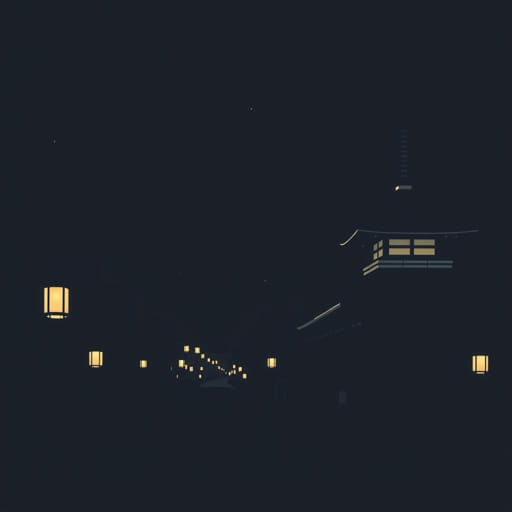
Kyoto, Japan’s ancient capital, is known for its rich history, traditional architecture, and peaceful temples. But as night falls, the city transforms into a realm of serenity and mystique. For travelers seeking quiet reflection and connection with nature, a Zen night walk in Kyoto offers a rare opportunity to slow down and embrace the calm. Away from the crowds and commercial noise, these walks lead you through illuminated temple paths, bamboo forests, and stone-paved lanes each one whispering stories of centuries past. A Zen night walk in Kyoto is not just a sightseeing activity; it’s a meditative experience that immerses you in the spirit of old Japan.
What Is a Zen Night Walk?
More Than Just a Night Stroll
A Zen night walk in Kyoto is a mindful journey taken after sunset, typically around ancient temples or natural surroundings. The goal is not to rush from point to point but to walk slowly, breathe deeply, and become aware of your surroundings. This type of walk aligns with the Zen Buddhist practice of being fully present in the moment. The gentle darkness, the sound of rustling leaves, the soft glow of lanterns all of these contribute to the experience.
Perfect for Mindful Travelers
Ideal for solo explorers or small groups, a Zen night walk is best appreciated in silence. It encourages inward reflection and quiet observation. People who are interested in meditation, spiritual travel, or Japanese culture often find this type of walk deeply fulfilling.
Where to Begin Your Zen Night Walk in Kyoto
Start at Nanzen-ji Temple
Nanzen-ji, one of Kyoto’s most important Zen temples, is a beautiful place to begin your night walk. Located near the Philosopher’s Path, this temple complex includes towering gates, moss gardens, and a peaceful aqueduct. In the evening, when the crowds have gone, the grounds are bathed in soft shadows and the moonlight dances off the old stones. While the temple buildings may be closed, the surrounding gardens and paths are often still accessible.
Stroll Along the Philosopher’s Path
This narrow walkway follows a canal lined with cherry trees, and though popular during the day, it becomes tranquil and quiet at night. The path stretches from Nanzen-ji to Ginkaku-ji (the Silver Pavilion). As you walk, the trickling sound of water and the sight of dimly lit lanterns guide your steps. Walking this path at night invites deep thought, making it one of the best places for a meditative stroll in Kyoto.
Recommended Night Walking Routes
1. Nanzen-ji to Ginkaku-ji (Philosopher’s Path)
- Duration: 30-45 minutes (longer if walking mindfully)
- Best time: 7: 00 PM to 9: 00 PM
- Highlights: Tranquil canal, temple walls, Zen gardens in moonlight
2. Yasaka Shrine to Kiyomizu-dera
- Duration: 20-30 minutes uphill
- Best time: 8: 00 PM to 10: 00 PM
- Highlights: Traditional lantern-lit streets of Higashiyama, stunning night view from Kiyomizu
3. Arashiyama Bamboo Grove
- Duration: 15-20 minutes through the grove
- Best time: 6: 30 PM to 8: 30 PM (some seasonal light-ups extend hours)
- Highlights: Whispering bamboo, light filtering through tall stalks, peaceful surroundings
What to Expect During a Zen Night Walk
Atmosphere of Stillness
Kyoto’s night walks are defined by a profound stillness. Even in areas close to the city center, the nighttime hush invites a sense of peace. You’ll often hear the sounds of your own footsteps, the gentle breeze, or a distant temple bell ringing through the air. Unlike during the day, your senses become more aware of each sound and sensation.
Shadows and Subtle Lights
Many of Kyoto’s temples and historic districts feature soft, ambient lighting after dark. Stone lanterns, dimly lit walkways, and the occasional candlelight give the scenery a timeless, dreamlike quality. In places like Gion or Higashiyama, the shadows add depth and mystery to the narrow alleys and wooden facades.
A Feeling of Timelessness
As you walk under Kyoto’s ancient trees and alongside moss-covered stone paths, there’s a sense that you’re walking through centuries of memory. The unchanged architecture and natural beauty create an experience that feels both eternal and fleeting, capturing the essence of Zen where the past, present, and future coexist in a single step.
Tips for a Meaningful Zen Night Walk
Go Without a Fixed Plan
Although suggested routes are helpful, a Zen walk is best when it flows naturally. Allow yourself to wander. Let curiosity and intuition guide you through gates, gardens, and narrow streets.
Walk Slowly and Quietly
The goal is not distance, but awareness. Walk slowly, breathe deeply, and allow your mind to quiet. Silence enhances the experience, so try to limit conversation and avoid distractions.
Dress Appropriately
Evenings in Kyoto can be cool, especially in spring and autumn. Wear comfortable shoes and layered clothing. A small flashlight can help in darker areas, but use it sparingly to preserve the natural ambiance.
Practice Gratitude and Observation
Take time to stop and appreciate the surroundings. Notice the shape of a tree, the fragrance of night flowers, or the reflection of moonlight on water. These small moments are the core of a Zen experience.
Best Seasons for a Zen Night Walk
Spring (March-May)
Cherry blossoms begin to bloom, and the air is crisp but pleasant. Nighttime sakura viewing is particularly magical. Some temples have seasonal light-ups that enhance the walk.
Autumn (October-November)
Autumn leaves create a fiery palette of red and orange under soft lights. Many temples extend evening hours during foliage season, making it an ideal time for Zen walks.
Winter (December-February)
Colder temperatures mean fewer crowds and clearer skies. A walk in the quiet snow-covered paths offers a truly serene experience for those who don’t mind the chill.
Places to Pause and Reflect
Zen Rock Gardens
Some temples, like Ryoan-ji and Tofuku-ji, feature Zen rock gardens that remain visible from outside their gates even after dark. Sit for a moment and gaze upon the carefully arranged stones it’s an opportunity for contemplation and stillness.
Bridges and Riversides
Kyoto’s many small bridges and riverbanks are excellent spots to pause. The Kamo River in particular is quiet and lovely at night, with gentle water sounds and an open sky above.
Temple Gates and Courtyards
While temple interiors may close by sundown, many gates and surrounding paths remain open. These areas often feel the most peaceful at night, when you can admire their structure without interruption.
A Zen night walk in Kyoto is more than just an evening activity it’s a doorway into a quieter, more mindful way of seeing. With each deliberate step, you move away from daily noise and closer to inner calm. Kyoto, with its ancient beauty and timeless atmosphere, provides the perfect setting for such an experience. Whether you are exploring temple paths or strolling along a lantern-lit street, a Zen night walk allows you to connect deeply with the spirit of Japan and with yourself. It is a simple yet profound way to experience the essence of Kyoto after dark.