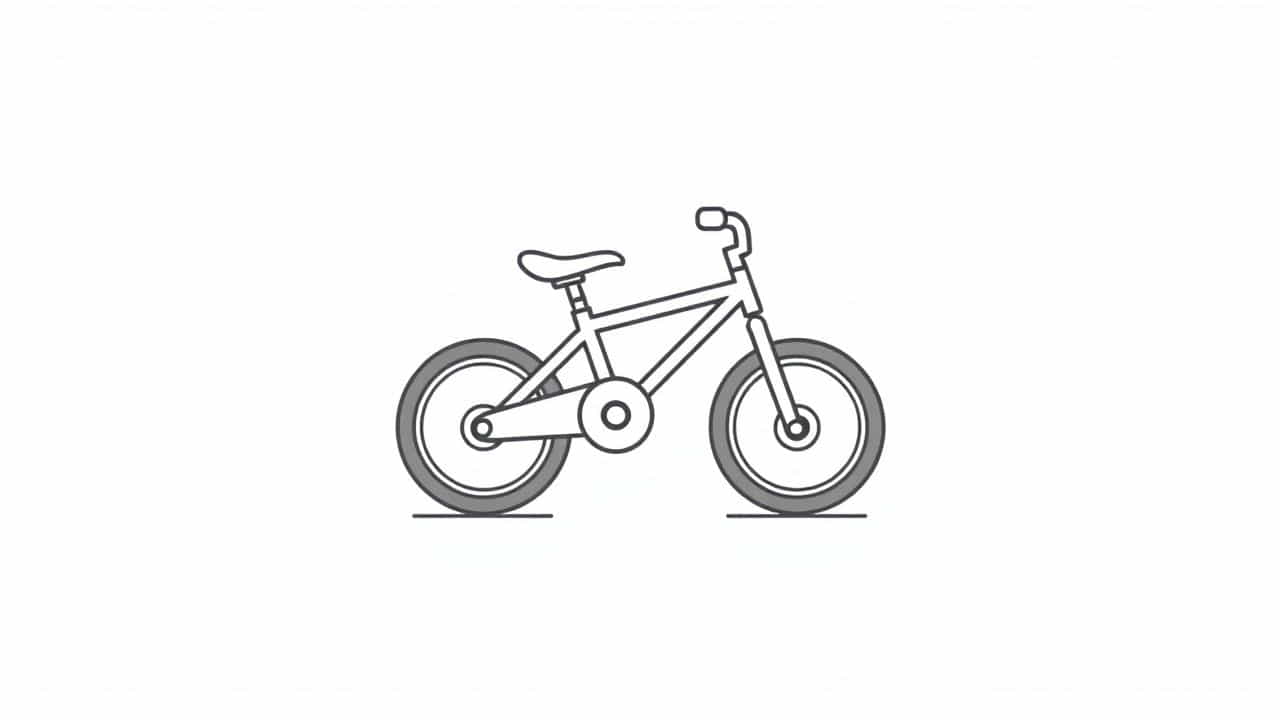
If you’ve seen young children gliding effortlessly on two wheels without pedals, you’ve likely come across a balance bike. These simple yet effective bicycles are designed to teach kids the fundamentals of balance and coordination, making the transition to a traditional bike much easier.
In this guide, we’ll explore what a balance bike is, how it works, its benefits, and tips for choosing the right one for your child.
What Is a Balance Bike?
A balance bike is a small, two-wheeled bicycle without pedals, gears, or training wheels. Instead of pedaling, children push themselves forward using their feet, helping them develop balance and control before learning to ride a regular bike.
Key Features of a Balance Bike
-
No pedals – Kids move the bike forward by pushing with their feet.
-
Lightweight frame – Makes it easy for young children to handle.
-
Adjustable seat and handlebars – Ensures a comfortable fit as kids grow.
-
No training wheels – Encourages natural balancing skills.
How Does a Balance Bike Work?
A balance bike allows children to focus on balance and steering without the complexity of pedaling. Here’s how it works:
-
Walking Phase – Kids start by walking the bike forward while keeping their feet on the ground.
-
Gliding Phase – As they gain confidence, they lift their feet and coast for short distances.
-
Balancing Phase – Over time, they learn to steer and balance naturally, preparing them for a traditional bike.
Benefits of Using a Balance Bike
1. Teaches Balance and Coordination
Unlike training wheels, which rely on extra support, a balance bike helps kids develop the core skills needed for cycling, making the transition to a pedal bike smoother.
2. Boosts Confidence
Since children control their movements, they gain confidence in their ability to ride a bike at their own pace.
3. Enhances Safety
Balance bikes are lower to the ground, reducing the risk of falls and injuries compared to bikes with training wheels.
4. Faster Transition to a Pedal Bike
Many children who start with a balance bike skip training wheels entirely and move directly to a regular bike, often by age 4 or 5.
5. Encourages Outdoor Play
Riding a balance bike is a fun way for kids to stay active and develop a love for outdoor activities.
Balance Bike vs. Training Wheels: Which Is Better?
| Feature | Balance Bike | Training Wheels |
|---|---|---|
| Focuses on Balance? | ✅ Yes | ❌ No (relies on extra support) |
| Easy to Maneuver? | ✅ Yes | ❌ No (can be unstable) |
| Builds Confidence? | ✅ Yes | ❌ No (kids may struggle when training wheels are removed) |
| Faster Transition to Regular Bike? | ✅ Yes | ❌ No (requires relearning balance) |
A balance bike is often the better choice because it teaches natural balancing skills from the start.
Choosing the Right Balance Bike
When buying a balance bike, consider the following factors:
1. Size and Fit
The right balance bike should allow your child to sit with their feet flat on the ground while maintaining a slight bend in their knees.
-
For ages 18 months to 2 years → 10-inch wheels
-
For ages 2 to 4 years → 12-inch wheels
-
For ages 4 to 6 years → 14-inch wheels
2. Weight
A balance bike should be lightweight (ideally under 10 lbs) so kids can handle it easily.
3. Frame Material
-
Steel – Durable but heavier.
-
Aluminum – Lightweight and rust-resistant.
-
Wood – Eco-friendly but may wear out faster.
4. Adjustable Seat and Handlebars
Ensure the seat and handlebars can be adjusted so the bike grows with your child.
5. Tire Type
-
Foam tires – Lightweight and puncture-proof but less grip.
-
Air tires – Better shock absorption and grip but require maintenance.
Tips for Teaching Your Child to Ride a Balance Bike
-
Start on a flat surface – Choose a smooth, open area where your child can practice without obstacles.
-
Encourage small steps – Let them walk with the bike first before attempting to glide.
-
Keep it fun – Make riding an enjoyable experience without pressure.
-
Use proper safety gear – A well-fitted helmet is essential.
When Should Your Child Move to a Pedal Bike?
Most kids transition to a pedal bike between ages 3 and 6, depending on their confidence and skill level. If they can:
✅ Glide for long distances
✅ Steer confidently
✅ Stop without falling
Then they’re ready to ride a traditional bike without training wheels!
A balance bike is an excellent way to teach young children how to ride a bike with confidence and ease. By focusing on balance and coordination first, kids develop the skills needed to transition to a pedal bike without the frustration of training wheels.
If you’re looking for the best way to help your child learn to ride, a balance bike is the perfect starting point!