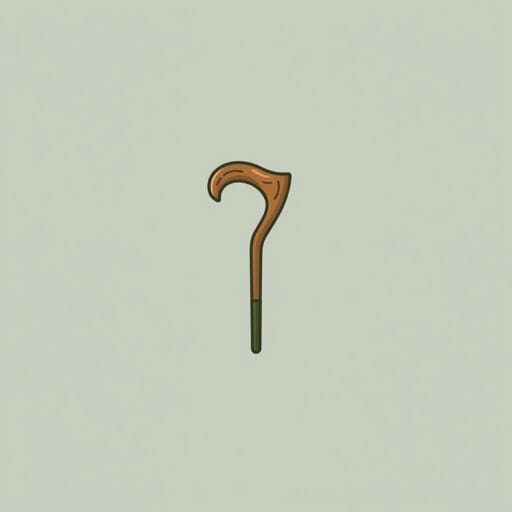
In Irish culture, few objects are as iconic or deeply rooted in tradition as the shillelagh. This wooden walking stick or cudgel has long been associated with Irish folklore, martial arts, and national identity. But as with many cultural symbols that originated as weapons, modern legal questions can arise about their status. Are shillelaghs legal in Ireland today? The answer is nuanced, depending on how the item is used, carried, or interpreted under Irish law. Exploring this question requires understanding both the historical significance of the shillelagh and the legal framework that governs weapons and personal defense in Ireland.
The Shillelagh: A Cultural and Historical Artifact
Origins and Traditional Use
The shillelagh dates back centuries and was originally crafted from blackthorn wood or oak, known for their strength and durability. These sticks were often passed down through generations, sometimes carved with family crests or symbols. While their initial use was often for walking and support, shillelaghs could also be used for self-defense or in ritualized stick-fighting styles like Bataireacht, an old Irish martial art.
Symbolism in Irish Identity
Beyond its function, the shillelagh became a symbol of Irish pride and resilience. It features prominently in literature, songs, and nationalistic imagery. Over time, it evolved from a practical tool to a folkloric item, often brought home as a souvenir or displayed as a symbol of heritage.
Understanding Irish Law on Weapons
Weapons and Firearms Acts
To determine the legality of shillelaghs in Ireland, it’s important to reference Irish legislation, particularly the Firearms and Offensive Weapons Act 1990. This act outlines what constitutes an offensive weapon and under what circumstances an item becomes illegal to carry or use.
Definition of Offensive Weapons
Under Irish law, an offensive weapon is defined as:
- Anything made or adapted for causing injury to a person.
- Anything intended by the person having it for use in causing injury.
This means that a shillelagh, while not inherently illegal, could be deemed an offensive weapon depending on its context. If it’s being used or carried in a manner that suggests intent to cause harm, it could fall under this category.
Intent and Context Matter
The legality of carrying a shillelagh hinges on intent. If someone is carrying it as a walking aid, display item, or cultural artifact, it is generally legal. However, if it is brandished or used in a threatening way, it could be treated as an unlawful weapon.
Modern-Day Use of Shillelaghs
Walking Stick vs. Weapon
Many Irish citizens and tourists alike purchase or carry shillelaghs as walking sticks or collector’s items. When used for these purposes, especially in rural areas where walking sticks are common, they rarely raise legal concerns. In these instances, the shillelagh is viewed more like a traditional cane than a weapon.
Martial Arts and Sport
Some groups in Ireland and abroad continue to teach Bataireacht as a martial discipline. When practiced in structured environments like clubs or schools, the use of shillelaghs is perfectly legal. As long as the weapon is used in controlled, non-violent settings, there are typically no legal restrictions on ownership or use.
Import and Sale Regulations
Buying and Selling Shillelaghs
Shillelaghs are widely sold in tourist shops, craft markets, and online stores across Ireland. They are not considered restricted items and can be bought without a license or special permission. In most cases, they are marketed as decorative or cultural goods rather than practical weapons.
Customs and International Transport
Exporting or bringing a shillelagh into another country may trigger additional scrutiny, especially in places with stricter weapons laws. Travelers are advised to check with customs or airport authorities before attempting to carry a shillelagh internationally, as it might be misclassified or confiscated depending on its appearance and construction.
Case Studies and Legal Precedents
Public Carry Incidents
There have been instances where individuals carrying shillelaghs in public were questioned by law enforcement. These situations are generally resolved by determining whether the person intended to use the item as a weapon. If no threat or illegal activity is involved, charges are rarely pursued.
Self-Defense and Legal Risks
Using a shillelagh in self-defense could present legal complications. Irish law does allow for reasonable force in defense of oneself or property, but excessive force or premeditated use of a weapon such as carrying a shillelagh in anticipation of an attack may not be justifiable. Courts would evaluate the situation based on necessity, proportionality, and available alternatives.
Legal Advice and Public Awareness
Consulting Legal Experts
For anyone unsure about the legality of owning or using a shillelagh in Ireland, it is best to consult a solicitor or legal advisor. They can provide case-specific guidance and help navigate any concerns regarding possession or use.
Educating the Public
Greater public education on the history and legal standing of shillelaghs can reduce misunderstandings. Museums, martial arts academies, and heritage organizations can play a role in presenting the shillelagh as a legitimate cultural object rather than a tool of violence.
So, are shillelaghs legal in Ireland? The short answer is yes but with important caveats. When treated as cultural artifacts, walking aids, or collector’s items, shillelaghs are entirely legal to own, sell, and carry. Problems only arise when they are misused or perceived as weapons with harmful intent. As with many traditional items rooted in martial history, legality depends on context, behavior, and interpretation under the law. By understanding both the cultural significance and the legal boundaries surrounding shillelaghs, individuals can appreciate and preserve this unique piece of Irish heritage while staying within the law.