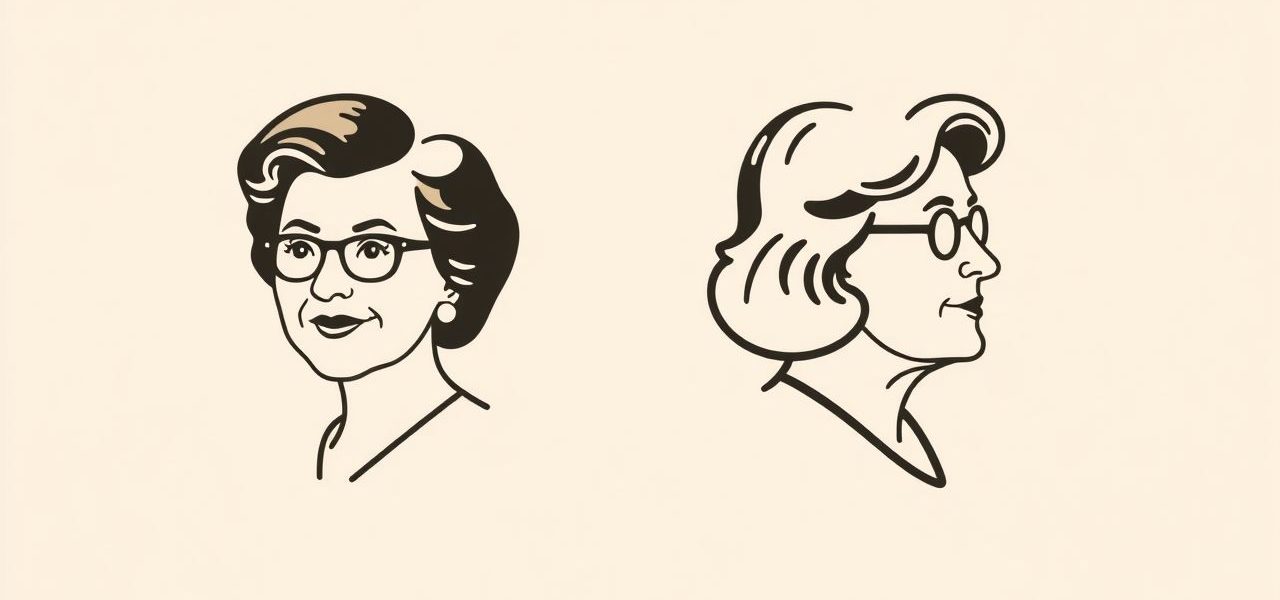
Betty Friedan and Julia Child, two women from mid-20th century America, left a remarkable legacy in very different but equally transformative ways. While Friedan gave voice to the frustrations of millions of American women through her feminist writings and activism, Julia Child changed how America thought about cooking, particularly French cuisine. Although their paths rarely crossed directly, their influence on American culture was undeniable. Their contributions reshaped ideas of domesticity, womanhood, and empowerment. Understanding the roles that both Friedan and Child played provides a broader picture of social evolution in postwar America.
Betty Friedan: Voice of Feminism
The Feminine Mystique and Its Impact
Betty Friedan rose to prominence in 1963 with her groundbreaking bookThe Feminine Mystique. This work exposed the widespread dissatisfaction among women confined to domestic roles in postwar America. Friedan coined the term the problem that has no name, describing the silent suffering of women who, despite having material comfort, felt unfulfilled. The book became a catalyst for the second wave of feminism and sparked national conversations about gender roles, identity, and societal expectations.
Founding the National Organization for Women
In 1966, Friedan co-founded the National Organization for Women (NOW), an organization that aimed to bring women into full participation in American society. Her leadership within NOW pushed for political, economic, and social equality. She also campaigned for workplace rights, reproductive freedom, and legal reforms. Friedan’s activism extended to advocating for the Equal Rights Amendment and fighting against discriminatory laws.
Criticism and Evolution of Views
Although celebrated for her early work, Friedan faced criticism from other feminists for focusing primarily on white, middle-class women. Later in her career, she acknowledged the need for the movement to become more inclusive. She also distanced herself from more radical feminist voices, favoring pragmatic approaches to societal change. Nonetheless, her foundational role in shaping feminist discourse remains significant.
Julia Child: Transforming American Kitchens
Mastering the Art of French Cooking
Julia Child became a household name with the 1961 publication ofMastering the Art of French Cooking, co-authored with Simone Beck and Louisette Bertholle. At a time when American food was dominated by convenience and canned goods, Child introduced the American public to the art of French cuisine. Her book made complex recipes accessible and emphasized the joy of preparing food from scratch.
Television Stardom and Cultural Influence
Julia Child’s television debut came with the showThe French Chef, first aired in 1963. With her towering presence, distinctive voice, and disarming enthusiasm, she quickly became a beloved figure in American households. Her informal and often humorous style demystified cooking and encouraged viewers to take culinary risks. Child turned cooking into a respected, almost theatrical experience that encouraged creativity and confidence in the kitchen.
A Feminist Figure in Her Own Way
While Julia Child did not identify as a feminist in the political sense, her life and career challenged traditional gender roles. She entered the culinary world a male-dominated profession at the time and gained respect through her skill and knowledge. Child pursued her career well into her later years, emphasizing that passion and dedication transcend age and gender. Her insistence that cooking is a skilled, fulfilling art form contributed to the reevaluation of domestic labor.
Contrasts and Parallels
Different Arenas, Shared Impact
Betty Friedan and Julia Child worked in vastly different fields Friedan in social activism and Child in the culinary arts but both redefined womanhood. Friedan urged women to break free from the confines of domestic life, while Child helped elevate that domestic life by showing that cooking could be a form of personal expression and intellectual satisfaction. Each, in her own way, empowered women to explore choices beyond traditional expectations.
Public Perception and Cultural Shifts
Friedan was often seen as combative and political, directly challenging social norms. Child, in contrast, was warmly received by the public and was perceived as non-threatening, yet she subtly subverted gender expectations. These differing public reactions reveal how culture accepts or resists various forms of female empowerment. Despite these differences, both women expanded the boundaries of what was considered acceptable for women in American society.
Legacy and Influence
Today, Betty Friedan is remembered as one of the architects of modern feminism, while Julia Child is celebrated as a pioneer who brought culinary arts into the American mainstream. Their legacies continue to influence both social activism and home culture. Friedan’s work laid the foundation for ongoing gender equality movements, and Child’s influence remains evident in cooking shows, books, and the growing respect for culinary professions.
Lessons from Two Icons
Empowerment Through Passion
Both women demonstrated that personal passion could lead to national influence. Friedan’s deep concern for women’s rights became a lifelong campaign, while Child’s love for French cuisine became a cultural phenomenon. They proved that dedication to a cause or craft could yield transformative results, regardless of the domain.
Challenging the Status Quo
Whether through activism or food, Friedan and Child challenged traditional narratives. Friedan dismantled the ideal of the content housewife, and Child broke the mold of what a domestic woman could be by turning her kitchen into a platform for teaching and inspiring others. Their combined influence urged women to view domesticity and professional life not as mutually exclusive but as open to personal interpretation and fulfillment.
Women Who Reshaped America
Betty Friedan and Julia Child were more than influential individuals; they were cultural forces who helped shape the identity of American women in the 20th century. Friedan sparked a movement that questioned societal structures and demanded equality, while Child redefined the domestic space as one of creativity, intelligence, and mastery. Together, their stories offer a rich narrative of change, resilience, and progress. By examining their lives side by side, we gain a fuller understanding of how diverse paths of empowerment can intersect and inspire generations to come.