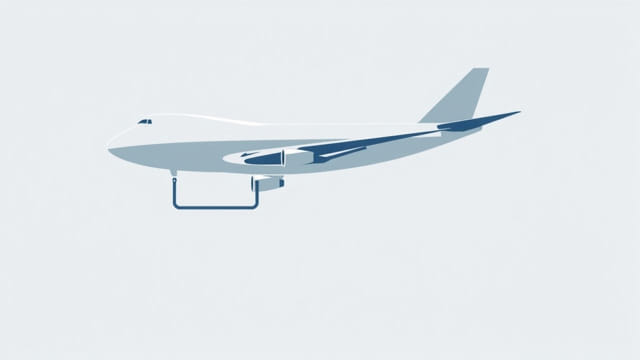
The Boeing 747 Supertanker has become an iconic symbol of aerial firefighting, offering unmatched capacity in battling wildfires around the globe. Originally converted from a Boeing 747-400 passenger aircraft, this massive plane has the ability to deliver tens of thousands of gallons of fire retardant in a single flight. While much of the focus is on its drops, one critical and often overlooked aspect is the refilling process. Efficient refilling operations are essential to the Supertanker’s success in responding quickly to fast-moving fires. Understanding how this process works provides deeper insight into the logistics and strategy behind large-scale firefighting operations.
Overview of the Boeing 747 Supertanker
The Boeing 747 Supertanker is the world’s largest firefighting aircraft. Its massive size and long-range capability allow it to respond to wildfires across vast regions. This aircraft has been used in countries such as the United States, Chile, Israel, and Bolivia, especially when ground resources are stretched thin or when fires are spreading rapidly.
Key Specifications
- Aircraft Model: Boeing 747-400
- Retardant Capacity: Up to 19,600 gallons (approximately 74,000 liters)
- Drop Coverage: Over 3 miles long and 150 feet wide per pass
- Refill Time: Typically under 30 minutes with proper ground support
This aircraft is equipped with a pressurized liquid drop system that allows for precise and consistent dispersal of water, retardant, or gel materials depending on mission requirements.
The Refilling Process Explained
Refilling the Boeing 747 Supertanker is a coordinated operation that requires specialized ground crews, equipment, and planning. Because the aircraft’s firefighting efficiency depends heavily on rapid turnaround times, minimizing downtime on the ground is a top priority.
Step-by-Step Refilling Operation
- Landing and Taxi: After completing a retardant drop, the aircraft returns to its designated base, often a large airport with reinforced runways and sufficient apron space.
- Positioning at the Reload Site: The Supertanker taxis to a designated refill area equipped with pumping systems and storage tanks for retardant or water.
- Connection to Fill Ports: Specialized ground equipment is used to connect hoses directly to the aircraft’s refill valves, located on the fuselage beneath the tank system.
- Rapid Loading: High-volume pumps transfer retardant or water into the onboard tanks. Depending on available equipment, the aircraft can be fully refilled in approximately 2030 minutes.
- Preflight Checks: While the aircraft is being refilled, the crew performs quick system inspections, refuels if necessary, and verifies drop system readiness.
- Takeoff and Return to Fire Zone: Once filled and cleared, the aircraft departs immediately for the next assigned drop zone.
This high-speed turnaround is essential for maintaining operational tempo during intense wildfire outbreaks, where every minute counts.
Types of Materials Used for Refilling
The Boeing 747 Supertanker can carry different firefighting agents depending on the mission and environmental conditions.
Common Refill Agents
- Water: Used in areas where water is readily available and the goal is immediate cooling of flames.
- Fire Retardant (Phos-Chek): Most common material used, especially in urban interface zones. It slows down fire spread and is effective even after drying.
- Firefighting Gel: A gel-based agent that clings to surfaces and offers extended protection against heat and flame.
Each agent requires different handling equipment and pump systems, and the crew must ensure compatibility with the aircraft’s dispersal system before each mission.
Ground Crew and Logistics
The efficiency of a refill operation largely depends on the expertise of the ground crew and logistical coordination. These teams are trained to work quickly and safely under pressure, often in extreme conditions near active fire zones.
Roles of Ground Personnel
- Pump Operators: Handle the transfer of retardant from storage tanks to the aircraft.
- Safety Officers: Ensure adherence to safety protocols during the high-pressure loading process.
- Logistics Coordinators: Manage retardant supply chains and communicate with fire command teams to plan flight schedules.
- Aircraft Maintenance Crew: Conduct system inspections and make rapid adjustments between sorties.
Because the 747 Supertanker operates from major airports or specially designated airbases, it has access to more sophisticated infrastructure compared to smaller firefighting aircraft.
Challenges of Refilling a Supertanker
Despite its advantages, operating and refilling a Boeing 747 Supertanker is not without challenges. These factors must be managed carefully to ensure consistent performance in high-stakes situations.
Operational Limitations
- Runway Requirements: Needs a long, reinforced runway for takeoff and landing due to its size and weight.
- Logistical Complexity: Transporting large volumes of retardant to remote regions can be difficult.
- Weather Dependency: Wind, smoke, and turbulence can impact drop accuracy and flight safety.
- High Operational Costs: Refilling and flying the aircraft involves significant fuel and labor expenses.
Nonetheless, its sheer capacity and range often justify the cost and complexity, especially during severe fire seasons where large-scale coverage is essential.
Environmental Considerations
Fire retardants used in refilling must meet strict environmental safety standards. Agencies that contract the Supertanker ensure that materials are non-toxic and safe for use near ecosystems, water sources, and populated areas.
Modern fire retardants are designed to minimize long-term ecological impact while maximizing effectiveness during the critical window of fire suppression. Proper disposal of excess material and cleaning of refill systems is part of the standard protocol.
Global Use and Refilling Infrastructure
While originally based in the United States, the Boeing 747 Supertanker has also been deployed internationally. This means that refilling operations have to be adaptable to different infrastructure setups.
In international missions, portable refill systems and mobile storage tanks are often transported in advance to support the aircraft’s operations. Local firefighting agencies coordinate with the Supertanker’s team to ensure compatibility with fueling and retardant systems, ensuring seamless integration into regional fire strategies.
The Boeing 747 Supertanker remains one of the most powerful tools in aerial firefighting, and its refilling process is a critical component of its success. The ability to rapidly reload thousands of gallons of fire retardant and return to the sky within minutes allows this aircraft to provide persistent support in the face of devastating wildfires. With a blend of advanced technology, skilled crews, and logistical precision, the refilling operation transforms a retired passenger jet into a fire-fighting powerhouse that helps protect lives, property, and natural landscapes around the world.