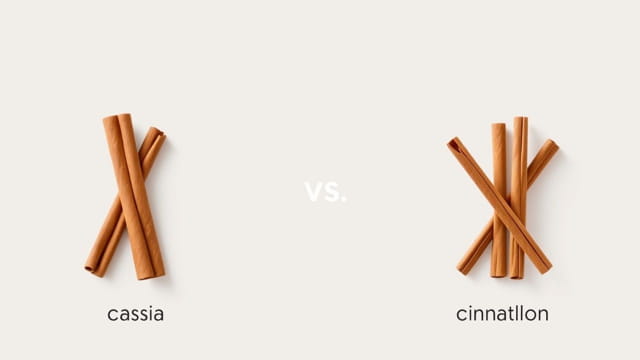
When browsing the spice aisle or reading the ingredients of a recipe, the word ‘cinnamon’ may seem straightforward. However, not all cinnamon is the same. The two most common types are Cassia and Ceylon cinnamon, each with distinct origins, flavors, health benefits, and culinary uses. While both are derived from the inner bark of Cinnamomum trees, understanding the differences between Cassia vs Ceylon cinnamon can influence not only the taste of your food but also the impact on your health and well-being.
Origin and Botanical Differences
Where Cassia Cinnamon Comes From
Cassia cinnamon, also known as Chinese cinnamon, comes primarily from China and Indonesia. It is made from the bark of the Cinnamomum cassia tree. Cassia is the more common variety of cinnamon found in grocery stores, particularly in the United States, due to its lower cost and stronger flavor profile.
Ceylon Cinnamon’s True Roots
Ceylon cinnamon, often referred to as true cinnamon, originates from Sri Lanka and southern parts of India. It comes from the Cinnamomum verum tree. This type of cinnamon is more delicate in flavor and lighter in color, often prized for its nuanced aroma and smoother texture.
Flavor and Aroma Profiles
The Taste of Cassia
Cassia has a bold, spicy, and slightly bitter flavor. It is often used in baking and savory dishes that require a noticeable cinnamon punch. Its strong aroma is due to its high levels of cinnamaldehyde, the compound responsible for cinnamon’s signature scent and taste.
Ceylon’s Delicate Notes
Ceylon cinnamon offers a subtle, sweet, and almost citrus-like flavor. Its aroma is more refined, making it a favorite among chefs and bakers looking for a more balanced and less overpowering spice. Ceylon is often used in light desserts, beverages, and traditional herbal remedies.
Appearance and Texture
Cassia’s Hard Bark
Cassia sticks are thick, rough, and usually curled from one side. The bark is tough and woody, making it harder to grind at home. The color tends to be dark reddish-brown, and it feels heavier and denser.
Ceylon’s Thin Layers
Ceylon cinnamon sticks, sometimes called ‘quills,’ have multiple thin layers rolled together like a cigar. The texture is soft and crumbly, making it easier to break or grind. Its color is light brown, and it has a more delicate structure overall.
Coumarin Content and Health Implications
Cassia’s Coumarin Levels
One of the most significant differences between Cassia and Ceylon cinnamon is the coumarin content. Cassia contains high levels of coumarin, a natural compound that can be toxic to the liver and kidneys in large amounts. While occasional use of Cassia is generally safe, regular or heavy consumption may pose health risks.
Ceylon’s Low-Coumarin Advantage
Ceylon cinnamon contains very little coumarin, making it a safer option for daily consumption, especially for people using cinnamon for its health benefits. This is particularly important for those with liver concerns or those taking cinnamon supplements.
Nutritional and Medicinal Properties
Antioxidant and Anti-inflammatory Benefits
Both types of cinnamon offer powerful antioxidants, including polyphenols, which help protect the body against oxidative damage. Cinnamon also has anti-inflammatory properties that may help reduce swelling and combat chronic inflammation.
Blood Sugar Control and Other Benefits
Studies suggest that cinnamon can help lower blood sugar levels by improving insulin sensitivity. Both Cassia and Ceylon may aid in managing Type 2 diabetes, but Ceylon is preferred due to its lower risk of toxicity with regular use.
- Antimicrobial effects: Cinnamon may help fight bacterial and fungal infections.
- Heart health: Cinnamon may reduce bad cholesterol (LDL) and triglycerides while maintaining good cholesterol (HDL).
- Neuroprotective properties: Some studies have shown that cinnamon might support brain health and memory.
Availability and Cost Comparison
Why Cassia is More Common
Due to its high yield and lower production costs, Cassia is widely available and typically cheaper. It is the standard ‘cinnamon’ in most commercial products and is the default spice found in spice racks across North America and Europe.
The Price of Purity with Ceylon
Ceylon cinnamon is more expensive due to limited cultivation regions and labor-intensive harvesting methods. However, the higher price is justified by its superior flavor, lower coumarin levels, and overall health safety. Ceylon is usually sold in specialty or health food stores and may be labeled specifically as Ceylon or True Cinnamon.
Culinary Uses and Preferences
When to Use Cassia
Cassia cinnamon works well in recipes that require a strong, assertive flavor. It’s ideal for:
- Baked goods like cinnamon rolls and cookies
- Spiced meats and stews
- Curries and chili recipes
- Spice blends like garam masala or pumpkin spice
When to Choose Ceylon
Ceylon’s gentle profile makes it suitable for:
- Teas and herbal infusions
- Fruit-based desserts
- Rice puddings and custards
- Sprinkling over oatmeal or yogurt
How to Tell Them Apart
Visual and Taste Tests
If you’re unsure which type you have, you can do a few simple checks:
- Stick appearance: Cassia sticks are thick and single-rolled; Ceylon sticks are thin and multi-layered.
- Color: Cassia is darker; Ceylon is lighter and tan-colored.
- Taste: Cassia has a strong, spicy bite; Ceylon is mild and sweet.
Which One Should You Choose?
Consider Your Usage
If you use cinnamon occasionally for baking or cooking, Cassia may be a convenient and cost-effective choice. However, if you regularly consume cinnamon for its health benefits, particularly in large amounts or supplement form, Ceylon is the safer and more suitable option.
Personal Preferences and Lifestyle
Flavor preference also plays a major role. If you enjoy strong, bold spice flavors, Cassia may satisfy your palate. For those who appreciate subtler, aromatic spices, Ceylon offers a more refined experience. Health-conscious individuals may lean toward Ceylon due to its lower risk profile and smoother taste.
The Cassia vs Ceylon cinnamon debate is more than a culinary curiosity it’s a matter of taste, health, and lifestyle. While Cassia dominates the global market due to its strong flavor and affordability, Ceylon is gaining popularity among health enthusiasts and gourmet cooks for its mild taste and low coumarin content. Understanding the key differences in flavor, appearance, and health impact allows you to make an informed decision that best aligns with your needs and preferences. Whether you sprinkle it on your morning oats or brew it into tea, choosing the right cinnamon can enhance both your dishes and your well-being.