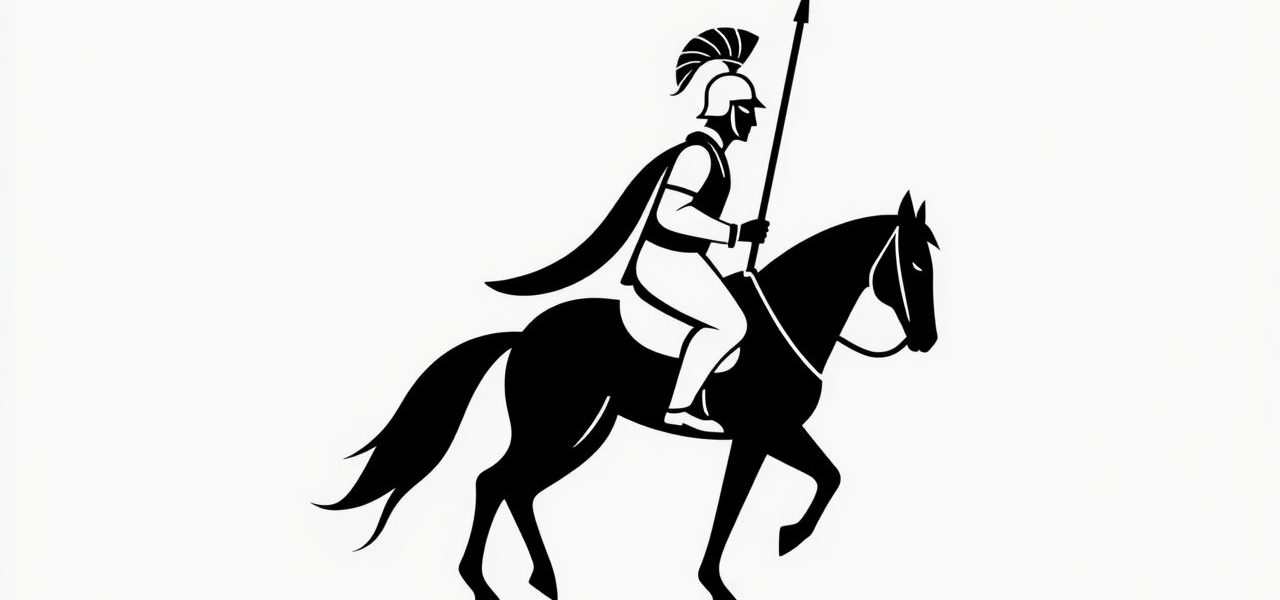
Throughout history, the term ‘cavalryman’ has carried with it connotations of bravery, strategy, and speed. The word is not just a label for a soldier but represents a unique role in military operations. A cavalryman is a member of the cavalry, traditionally soldiers who fought on horseback. While modern warfare has evolved beyond horses, the title still holds significance and respect, both historically and in certain military roles today. Understanding the meaning of ‘cavalryman’ in English involves exploring not only its definition but also its evolution, functions, and legacy.
Definition of Cavalryman
In English, the word ‘cavalryman’ refers to a soldier who is part of a cavalry unit. The cavalry is a branch of the military historically composed of troops mounted on horses. Therefore, a cavalryman is essentially a mounted soldier trained for mobility and quick-strike capabilities.
Etymology and Language Roots
The word ‘cavalry’ originates from the Latin wordcaballus, meaning horse. Over time, it developed through the Italian wordcavalleriaand the Frenchcavalerieinto the English term ‘cavalry.’ The suffix ‘-man’ in ‘cavalryman’ signifies a person belonging to or engaged in a particular role. So, a cavalryman is a person belonging to the cavalry force.
The Historical Role of the Cavalryman
Historically, cavalrymen played a pivotal role in warfare. Before the invention of modern machinery and vehicles, cavalry units provided essential advantages on the battlefield.
- Speed and Mobility: Cavalrymen could move swiftly across terrain, making them ideal for flanking, reconnaissance, and chasing down retreating enemies.
- Psychological Impact: The sight and sound of charging cavalry could demoralize infantry and break enemy lines.
- Communication: Cavalrymen were often used as messengers because of their mobility, helping to deliver important commands across large distances quickly.
Types of Historical Cavalrymen
Different armies used various types of cavalrymen based on roles and equipment:
- Light Cavalry: Used for scouting and skirmishing; these cavalrymen wore light armor for speed.
- Heavy Cavalry: These cavalrymen wore heavy armor and often fought with lances or swords in direct combat.
- Dragoons: Originally mounted infantry who rode into battle but fought on foot.
Modern Usage of Cavalryman
With technological advancements, the traditional horse-mounted soldier has largely disappeared from modern warfare. However, the term ‘cavalryman’ continues to be used symbolically and practically in some contexts.
Mechanized and Armored Cavalry
Today, many armies maintain units called ‘cavalry,’ although these troops now use vehicles such as tanks and helicopters. The term ‘cavalryman’ may apply to members of these units, preserving the spirit of fast, mobile warfare. In the United States Army, for instance, cavalry units play a crucial role in armored reconnaissance and security.
Cultural and Ceremonial Roles
In several countries, cavalry units maintain ceremonial functions. Cavalrymen in dress uniforms and mounted parades serve as symbols of national pride and military heritage. Examples include the British Household Cavalry and the French Republican Guard.
Characteristics of a Cavalryman
Beyond just the literal meaning, the role of a cavalryman has come to symbolize certain personal traits and values. These include:
- Bravery: Cavalrymen historically led charges and took great personal risks on the battlefield.
- Adaptability: Operating in diverse terrains required quick thinking and resourcefulness.
- Loyalty: Both to fellow soldiers and the mission, loyalty is a defining feature.
- Honor: The image of the cavalryman is often linked to ideals of chivalry and integrity.
Popular Depictions
Cavalrymen are often romanticized in literature and film. From medieval knights charging into battle to Civil War soldiers riding across open fields, the cavalryman has been portrayed as a heroic and noble figure. These depictions reinforce the symbolic meaning of the word beyond its military function.
Symbolism of the Cavalryman in English
In English, ‘cavalryman’ can also be used metaphorically. It may describe someone who comes to the rescue in a crisis or brings relief at a critical moment just like cavalry charges historically turned the tide of battle. This figurative use often appears in phrases like ‘he rode in like a cavalryman’ to imply bravery, support, or timely intervention.
Examples in Modern Context
- ‘When the negotiations failed, the legal team acted like true cavalrymen, stepping in to defend the company.’
- ‘Her father was always the cavalryman of the family, showing up whenever anyone needed help.’
Why Understanding ‘Cavalryman’ Matters
Although it may seem like an old-fashioned term, understanding the meaning of ‘cavalryman’ in English is important for several reasons:
- Historical Awareness: It helps in understanding military history and the evolution of warfare.
- Cultural Literacy: The term appears in many books, speeches, and movies, often used metaphorically.
- Language Enrichment: Learning words with deep historical roots enhances vocabulary and comprehension.
Common Synonyms and Related Terms
To further understand the meaning of ‘cavalryman,’ it helps to know some related terms:
- Horseman: A general term for someone skilled in riding horses, not necessarily military.
- Dragoon: A type of mounted soldier, historically part of many European armies.
- Trooper: A term often used for members of cavalry or armored units, especially in the U.S. military.
- Knight: A mounted soldier in medieval Europe, often associated with chivalry and nobility.
The word ‘cavalryman’ in English carries more than just a definition it embodies a legacy of movement, valor, and resilience. While modern warfare has shifted away from horse-mounted soldiers, the meaning of cavalryman remains alive through metaphor, ceremony, and military tradition. Whether referring to historical soldiers, armored divisions, or symbolic rescuers, the term continues to hold relevance in language and culture. Understanding its full significance not only enriches our vocabulary but also connects us to a powerful narrative of human courage and evolution in combat.