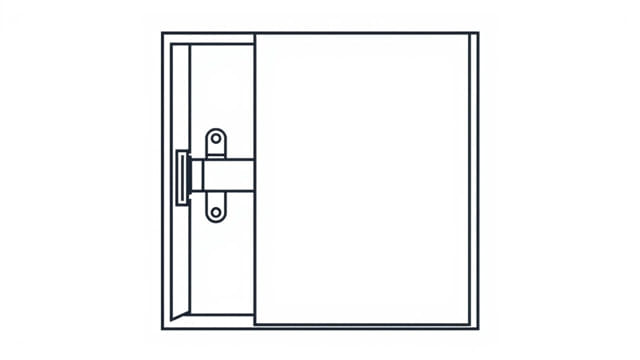
One of the most common issues in home maintenance involves cupboard doors that no longer close properly or appear uneven. These problems often stem from misaligned or loose cupboard hinges. Thankfully, adjusting cupboard hinges is a relatively simple task that requires only a few tools and a bit of patience. Whether you are dealing with a kitchen cabinet, a bathroom cupboard, or a wardrobe, knowing how to adjust cupboard hinges correctly can restore functionality and improve the overall look of your cabinetry.
Understanding Cupboard Hinges
Before adjusting cupboard hinges, it’s important to understand the types of hinges commonly used in cupboards. Most modern cabinets use European-style concealed hinges, which are hidden inside the cabinet and allow for multiple adjustments. These hinges typically have three main screws:
- Side-to-side adjustment screw: This controls the horizontal alignment of the door.
- Height adjustment screw: This allows you to move the door up or down.
- Depth adjustment screw: This changes how far the door sits from the cabinet frame.
Other traditional hinges, such as surface-mounted or butt hinges, may require a different approach. However, most hinge adjustment problems can be solved using a Phillips screwdriver and a clear understanding of what needs to be fixed.
Common Cupboard Hinge Problems
If your cupboard door is not functioning correctly, identifying the issue is the first step. Here are a few common problems you may encounter:
- The cupboard door is crooked or uneven.
- The door will not close fully.
- The door is rubbing against the cabinet frame or other doors.
- The door feels loose or wobbly.
Each of these problems can be solved by adjusting the appropriate hinge screws. The process involves trial and error, so be patient and adjust the screws in small increments until the door fits properly.
Tools You Will Need
Adjusting cupboard hinges does not require special equipment. You’ll typically need the following:
- Phillips head screwdriver
- Flat head screwdriver (optional for some hinge styles)
- Measuring tape or ruler (for accuracy)
- Step stool (for higher cupboards)
Step-by-Step Guide to Adjusting Cupboard Hinges
Step 1: Assess the Door Alignment
Open and close the cupboard door to observe how it is misaligned. Look at the gaps between the door and the cabinet frame or adjacent doors. Make a mental note or mark the spots that need adjustment.
Step 2: Adjust Side-to-Side Position
To fix a door that is too far left or right, use the side-to-side adjustment screw. This screw is usually the one located toward the front of the hinge arm.
- Turn the screw clockwise to move the door closer to the hinge side.
- Turn it counterclockwise to move the door away from the hinge side.
Make small adjustments and check the door alignment after each turn.
Step 3: Adjust the Height
If the door is too high or low, look for the height adjustment screw. In many hinge designs, this adjustment is made by loosening the screws that attach the hinge plate to the cabinet wall, moving the hinge up or down, and then retightening.
- Loosen both screws slightly (do not remove them).
- Shift the hinge and door up or down as needed.
- Tighten the screws firmly to secure the new position.
Step 4: Adjust the Depth
To change how far the door sits from the cabinet face, use the depth adjustment screw. This is usually the screw located deeper in the hinge arm.
- Turn clockwise to move the door closer to the cabinet frame.
- Turn counterclockwise to move it outward.
Adjusting the depth can help solve doors that won’t close fully or those that bump into each other.
Tips for Smooth Cupboard Door Adjustment
- Always adjust with the door open for better access to screws.
- If your cabinet has two hinges, adjust both evenly to maintain balance.
- Check all hinge screws for tightness; sometimes a loose screw is the entire problem.
- For soft-close hinges, avoid overtightening, as this can damage the mechanism.
Maintaining Cupboard Hinges
Once the hinges are adjusted, periodic maintenance can extend their life and prevent future issues. Here are a few ways to care for your cupboard hinges:
- Clean hinges regularly with a dry or slightly damp cloth.
- Lubricate with a small amount of silicone spray or light oil if the hinge squeaks.
- Check and retighten screws every few months to keep everything secure.
When to Replace Hinges
If adjustment and tightening do not resolve the issue, your hinges may be worn out or damaged. Signs that you need new hinges include:
- Cracks or bending in the hinge metal
- Severely stripped screw holes
- Persistent misalignment despite adjustment
Replacing hinges with a similar model can often be done using the same screw holes. Be sure to measure and choose the correct size and style for a proper fit.
Learning how to adjust cupboard hinges is a simple yet essential home improvement skill. Whether you’re working on kitchen cabinets or bathroom cupboards, understanding how to correct hinge misalignments will save you time and improve the appearance of your space. By using basic tools and following step-by-step instructions, you can fix common hinge problems yourself without the need for professional help. Regular maintenance and minor adjustments can also prolong the life of your cupboards and keep them functioning smoothly for years to come.