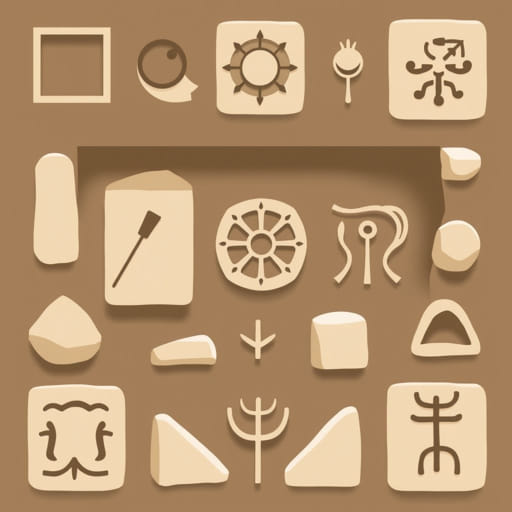
The Neolithic period, often referred to as the New Stone Age, marked a transformative era in human history where societies shifted from nomadic lifestyles to settled agricultural communities. With this transition came remarkable developments in art, architecture, and symbolic expression. Neolithic art is known for its functional, decorative, and spiritual significance. From pottery to megalithic structures, examples of Neolithic art reveal the creativity, beliefs, and daily practices of early human societies. These artistic expressions were not merely ornamental but served important cultural and ritualistic purposes that reflected the changing world of Neolithic people.
Characteristics of Neolithic Art
Material and Techniques
Unlike the earlier Paleolithic art, which focused on cave paintings and small carvings, Neolithic art embraced new materials and techniques. Artists began using clay, stone, bone, and textiles, and developed more refined tools. They incorporated symmetrical designs, geometric motifs, and repetitive patterns. These artworks often held symbolic meanings related to fertility, agriculture, community, and spirituality.
Purpose and Symbolism
Neolithic art was deeply intertwined with the everyday life and spiritual beliefs of the people. Many artifacts were used in religious rituals, burial practices, and domestic activities. Art also played a role in strengthening social cohesion and expressing collective identity. The emergence of organized settlements and farming societies led to more permanent structures and artifacts, allowing for more elaborate artistic expressions.
Famous Examples of Neolithic Art
Stonehenge England
One of the most iconic examples of Neolithic art and architecture is Stonehenge, located on the Salisbury Plain in England. Built around 3000 to 2000 BCE, this megalithic monument is composed of large standing stones arranged in concentric circles. While its exact purpose remains debated, many scholars believe it served as a ceremonial or astronomical site. The massive scale, precise alignment, and engineering skill of Stonehenge highlight the complexity and sophistication of Neolithic society.
Ãatalhöyük Wall Paintings Turkey
Ãatalhöyük, a large Neolithic settlement in modern-day Turkey, offers rich examples of early artistic expression. Excavations at the site revealed wall paintings that date back to around 7000 BCE. These murals include depictions of hunting scenes, geometric patterns, and symbolic representations of animals and humans. The paintings were likely used for ritualistic or symbolic purposes, possibly connected to fertility, protection, or spiritual beliefs.
Venus Figurines Europe
Although some Venus figurines originate in the Paleolithic era, others are associated with Neolithic cultures. These small statues, often depicting women with exaggerated reproductive features, are believed to represent fertility, motherhood, or earth goddesses. Notable examples include the Venus of Hohle Fels and other figurines found across Europe. They were likely used in fertility rituals or as symbols of female power and life-giving forces.
Megalithic Tombs Western Europe
Neolithic communities across Western Europe constructed impressive megalithic tombs, such as dolmens, passage graves, and cairns. These structures were not only burial sites but also artistic achievements. Many tombs feature carvings, engravings, and symbolic artwork. Examples include:
- Newgrangein Ireland: A passage tomb with intricate spiral carvings, dating to around 3200 BCE.
- Gavrinisin France: A tomb decorated with abstract carvings and geometric motifs.
- Maeshowein Scotland: A chambered cairn with symbolic stone carvings and inscriptions.
These artworks often had ritual significance and reflected beliefs about life, death, and the cosmos.
Neolithic Pottery
Pottery became a central aspect of Neolithic art due to the sedentary lifestyle and increased food production. Early pottery was hand-built and decorated with incised lines, painted motifs, and cord impressions. Notable examples include:
- Cardium Pottery: Found in Mediterranean regions, decorated with impressions of cardium shells.
- Linear Pottery Culture: Characterized by linear geometric patterns across Central Europe.
- Jomon Potteryin Japan: Highly decorative and among the oldest known pottery in the world.
These pottery items were both functional and symbolic, used for storing food, cooking, and rituals.
Symbolic Carvings and Sculptures
Anthropomorphic Figures
Neolithic artists created anthropomorphic figures carved from stone, bone, or clay. These figures often featured stylized human forms and were used in religious or ceremonial contexts. They may have represented ancestors, deities, or mythological beings. Their abstract features suggest a symbolic rather than literal representation of the human form.
Zoomorphic Art
Animals played a significant role in Neolithic life, both as food sources and spiritual symbols. Artistic depictions of animals such as bulls, birds, deer, and goats appear in carvings, pottery, and murals. These zoomorphic representations may have been used in rituals or to convey connections between humans and the natural world.
Geometric Symbols
Geometric patterns such as spirals, circles, triangles, and zigzags were common in Neolithic art. These motifs appear on tomb walls, pottery, and textiles. While their exact meanings are not always clear, they likely had symbolic or ritualistic significance, possibly related to cycles of nature, the sun, fertility, or cosmic order.
Architectural Expressions of Art
Decorated Homes and Altars
Neolithic homes were often adorned with symbolic decorations. At Ãatalhöyük, for example, interior walls featured murals, reliefs, and animal skulls embedded in plaster. These design elements reflect how everyday spaces were infused with spiritual meaning and artistic expression.
Communal Structures
In many Neolithic settlements, communal buildings were decorated or constructed to reflect social and religious values. These structures may have served as gathering places, temples, or council houses. Their layout and orientation often corresponded with astronomical events, further emphasizing the symbolic nature of Neolithic architecture.
The examples of Neolithic art provide valuable insights into the beliefs, values, and daily experiences of early agricultural societies. From monumental architecture like Stonehenge to the delicate pottery of the Linear Culture, Neolithic art reflects both practicality and deep symbolic meaning. As people transitioned from foraging to farming, their artistic expressions evolved to match their new way of life. These artworks were not created in isolation they were integral to ritual, identity, and the communal experience. Studying Neolithic art allows us to appreciate the origins of human creativity and the enduring legacy of our ancestors’ relationship with the natural and spiritual world.