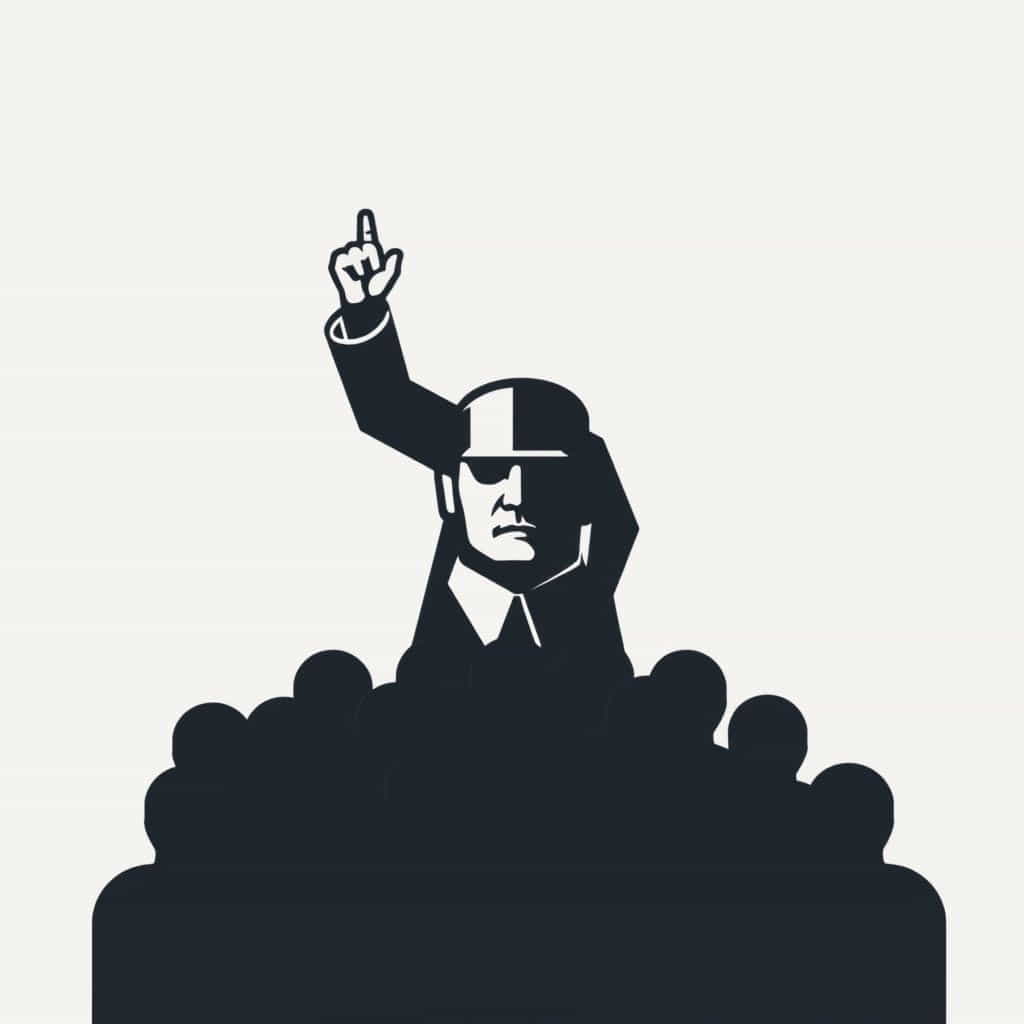
How Did Authoritarian and Dictatorial Regimes Rise? Understanding the Roots of Totalitarian PowerThroughout history, many countries have experienced shifts away from democracy and toward authoritarian or dictatorial rule. These political systems concentrate power in the hands of a single leader or a small elite group, often silencing opposition and limiting freedoms. Understanding how such regimes rise can help us recognize the early warning signs of political instability and the erosion of democratic institutions.
What Is an Authoritarian or Dictatorial Regime?
Key Characteristics
Authoritarian regimes are marked by limited political pluralism, little accountability, and centralized power. Dictatorships are a more extreme form, where a single leader holds absolute control. Both forms of governance typically involve suppression of dissent, control of the media, and restriction of civil liberties.
While authoritarianism can exist in varying degrees, dictatorship often includes a complete breakdown of democratic processes and legal protections for citizens.
Historical Context When and Where These Regimes Emerged
Post-World War I and II
After both World Wars, many countries faced political and economic turmoil. The resulting chaos created fertile ground for authoritarian figures to emerge. People wanted strong leadership, security, and national pride, which made them vulnerable to the promises of authoritarian rulers.
For example, the interwar period saw the rise of Adolf Hitler in Germany, Benito Mussolini in Italy, and Francisco Franco in Spain. These leaders capitalized on fear, nationalism, and economic distress to build authoritarian regimes.
Common Factors Behind the Rise of Authoritarian and Dictatorial Leaders
Economic Crisis and Instability
When people face high unemployment, inflation, or scarcity of resources, they become desperate for change. Economic hardship often leads to dissatisfaction with existing governments, making extreme solutions more appealing.
In such times, authoritarian leaders present themselves as saviors who can bring order, revive the economy, and restore national strength.
Political Chaos and Weak Institutions
Weak democratic institutions, frequent changes in leadership, and legislative gridlock contribute to political instability. Citizens lose trust in the system, paving the way for leaders who promise quick, decisive action even at the cost of democracy.
In many historical cases, dictators came to power by exploiting political divisions, bypassing checks and balances, and gradually concentrating authority.
Use of Propaganda and Nationalism
Authoritarian leaders often use propaganda to control public opinion and eliminate opposition. They promote a strong national identity and frame themselves as defenders of the country against external or internal threats.
State-controlled media, censorship, and emotional appeals help build loyalty, suppress dissent, and rewrite narratives that justify their rule.
The Role of Fear and Violence in Establishing Control
Suppression of Opposition
Authoritarian and dictatorial regimes commonly use force to silence political opponents. This may include imprisonment, exile, or even assassination. By instilling fear, they discourage resistance and create an atmosphere where criticism is dangerous.
Secret police, surveillance, and military loyalty play major roles in maintaining this type of control.
Emergency Powers and Legal Manipulation
Many authoritarian leaders initially gain power legally but later exploit or rewrite laws to extend their rule. Crises whether real or manufactured often serve as justifications for granting emergency powers, which they rarely relinquish.
Once emergency measures are in place, leaders may dissolve legislatures, ban political parties, or extend their terms indefinitely.
Examples of Notable Authoritarian Regimes
Nazi Germany
Adolf Hitler came to power legally through elections and appointments, but quickly dismantled democratic institutions. The Reichstag Fire was used as a pretext to limit civil liberties and eliminate political rivals. Within months, Germany had transformed into a totalitarian state.
Fascist Italy
Benito Mussolini used violence, intimidation, and propaganda to dominate Italy. With support from nationalist and conservative groups, he established a one-party state and suppressed socialist and liberal opposition.
Soviet Union
Under Joseph Stalin, the Soviet Union became one of the most tightly controlled dictatorships in modern history. Purges, labor camps, and fear were used to maintain obedience, while state propaganda portrayed Stalin as a heroic figure.
Modern-Day Examples and Trends
While traditional dictatorships are less common today, authoritarian tendencies persist. In some countries, leaders use democratic elections to legitimize their rule, but then slowly erode press freedom, attack judicial independence, and restrict political competition.
These modern regimes often disguise authoritarianism under a democratic facade. They may not use open violence, but instead rely on legal and institutional manipulation to remain in power.
How Citizens and Societies Enable Authoritarianism
Popular Support and Apathy
Not all authoritarian regimes rise through brute force. In many cases, ordinary citizens support or tolerate them, especially when they feel disillusioned with democracy. Fear of instability, economic promises, or national pride can cause people to overlook early signs of authoritarianism.
Other times, public apathy allows these regimes to grow unchecked. When people stop engaging in politics or defending democratic norms, it becomes easier for authoritarian leaders to seize control.
The Role of Elites and Institutions
Political, military, and business elites often play a role in the rise of authoritarian leaders. Some support these leaders in exchange for power or protection. Others remain silent, believing the regime will protect their interests.
In many historical cases, courts, parliaments, and the press fail to resist authoritarian overreach, either due to fear or lack of independence.
Lessons from History Preventing Authoritarianism
Importance of Democratic Norms
Democracy depends not just on laws, but on norms respect for elections, peaceful transfers of power, and independent institutions. When leaders violate these principles, and society allows it, the door to authoritarianism opens.
Citizens must be vigilant, informed, and active in defending democratic values, especially during periods of crisis or uncertainty.
The Role of Education and Free Press
An educated and well-informed population is the best defense against authoritarianism. Free media helps expose abuse of power, inform the public, and provide a platform for dissenting voices.
When education is manipulated and media is silenced, the population becomes easier to control, and authoritarianism can grow.
Conclusion Recognizing the Early Signs
Authoritarian and dictatorial regimes do not always rise suddenly. Often, the shift happens slowly through legal changes, public manipulation, and the erosion of democratic practices. By understanding the conditions that allow these regimes to take hold, societies can be better prepared to resist them.
Awareness, participation, and commitment to democratic values are essential. History shows that once freedoms are lost, they are not easily regained. Recognizing the early warning signs is the first step in protecting the future of any democratic society.