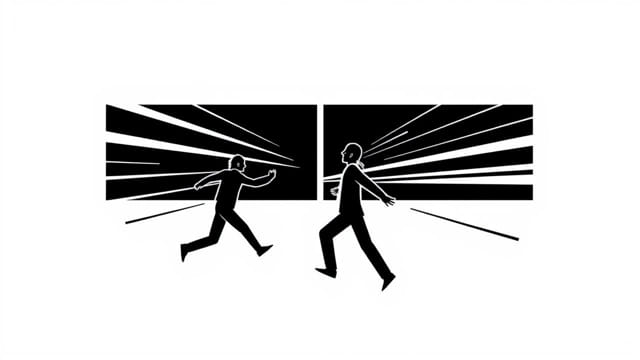
Jump cuts are among the most distinctive and revolutionary editing techniques introduced in cinema history, and their prominent use in Jean-Luc Godard’s Breathless (1960) forever changed how filmmakers approach narrative pacing and visual storytelling. This French New Wave classic not only challenged traditional editing conventions but also infused cinema with a fresh energy and spontaneity, largely through its innovative use of jump cuts. Understanding how these cuts function in Breathless reveals the film’s deeper impact on cinematic language and its role in shaping modern filmmaking.
What Are Jump Cuts?
Jump cuts are a type of edit where two sequential shots of the same subject are taken from slightly different angles or moments in time, creating a jarring visual discontinuity. Unlike traditional continuity editing, which strives for seamless transitions and temporal or spatial coherence, jump cuts deliberately disrupt the flow to draw attention to the editing process itself. This creates a feeling of sudden leaps forward in time or breaks in spatial continuity.
Historical Context of Jump Cuts Before Breathless
Before Breathless, jump cuts were generally avoided in classical Hollywood cinema because they broke the invisible style of editing aimed at maintaining narrative immersion. However, some experimental filmmakers and editors had toyed with the idea. It was Godard and the French New Wave movement who boldly embraced jump cuts as a creative tool, using them to subvert established norms and inject energy into film narratives.
Jump Cuts in Breathless A Cinematic Revolution
Breathless stands out for its playful and innovative use of jump cuts, especially considering the limited resources available during its production. Godard’s choice to use jump cuts was partly practical he had less footage than initially planned and had to work with what he had but it evolved into a stylistic signature that defined the film’s fragmented, improvisational feel.
How Jump Cuts Shape the Narrative
In Breathless, jump cuts accelerate the storytelling by condensing time, highlighting moments, and breaking the linear flow of the plot. For example, in scenes featuring Michel, the protagonist, jump cuts emphasize his restless, impulsive character. The abrupt transitions mirror his erratic behavior and the chaotic world he inhabits. Instead of smooth, continuous shots, these cuts create a rhythm that feels alive, unpredictable, and raw.
Key Scenes Featuring Jump Cuts
- Michel Running in the Street: One of the most famous jump cut sequences shows Michel running through Paris streets. The jump cuts fragment his movement, making the chase feel disjointed and urgent, reflecting the tension and danger surrounding him.
- Dialogues with Patricia: During conversations, jump cuts interrupt the usual back-and-forth dialogue flow. This editing choice gives the scenes an offbeat, conversational spontaneity, capturing the improvisational vibe between the characters.
- Michel’s Monologues: The jump cuts in Michel’s monologues break up his speech into sharp fragments, reinforcing his complex personality and internal conflicts.
The Aesthetic and Thematic Roles of Jump Cuts
Jump cuts in Breathless are not just technical flourishes; they serve deeper aesthetic and thematic purposes that resonate throughout the film.
Breaking the Fourth Wall of Film
By drawing attention to the editing itself, jump cuts break the invisible editing illusion, reminding viewers they are watching a constructed narrative. This self-awareness aligns with Breathless’s broader experimentation and rejection of classical filmmaking rules, inviting audiences to engage with the film more critically.
Expressing Modernity and Youthful Rebellion
The fragmented style created by jump cuts reflects the modern, rebellious spirit of the late 1950s and early 1960s youth culture. Michel’s character embodies this ethos, and the jump cuts visually echo his refusal to conform to societal norms, mirroring the film’s themes of existential freedom and disillusionment.
Creating a Sense of Urgency and Disorientation
The rapid, disjointed cuts generate a feeling of urgency and unpredictability. This technique effectively conveys the chaotic environment in which the characters operate a Paris filled with danger, crime, and moral ambiguity.
Influence of Jump Cuts in Breathless on Cinema
The innovative use of jump cuts in Breathless has had a lasting impact on filmmaking worldwide. It opened new possibilities for editors and directors, encouraging them to experiment with pacing, narrative structure, and visual style.
New Wave and Beyond
Following Breathless, many filmmakers in the French New Wave and other international cinema movements adopted jump cuts as a tool for narrative and aesthetic experimentation. It also influenced music videos, commercials, and experimental films, broadening the vocabulary of visual storytelling.
Modern Uses and Legacy
Jump cuts have become a common technique in contemporary cinema and digital media. While sometimes used unconsciously or out of necessity, filmmakers now use jump cuts deliberately to evoke specific moods, highlight character psychology, or emphasize thematic elements all strategies that owe much to Godard’s pioneering work in Breathless.
Technical Considerations and Challenges
Using jump cuts effectively requires careful consideration. In Breathless, the cuts were initially a workaround for limited footage, but their success depended on thoughtful placement and rhythm. Poorly executed jump cuts can confuse or alienate viewers, but in Godard’s hands, they create a new cinematic language that is engaging and dynamic.
Balancing Discontinuity and Coherence
The key to Breathless’s jump cuts is balancing the jarring effect with narrative coherence. While the cuts disrupt traditional flow, the story remains comprehensible and emotionally compelling. This balance is what makes the technique so powerful.
Editing Rhythm and Pacing
Jump cuts contribute significantly to the film’s rhythm. The timing and frequency of the cuts influence how scenes feel either tense, playful, or introspective. Godard’s instinctive editing style ensures that the audience remains engaged despite the breaks in continuity.
Jump cuts in Breathless represent a landmark in film history, exemplifying how technical innovation can redefine storytelling. Through these abrupt, fragmented edits, Jean-Luc Godard challenged cinematic conventions, creating a vibrant, rebellious energy that perfectly matched the film’s themes and characters. The legacy of jump cuts continues to inspire filmmakers across genres, making Breathless not just a classic of French cinema but a milestone in the evolution of film language itself.