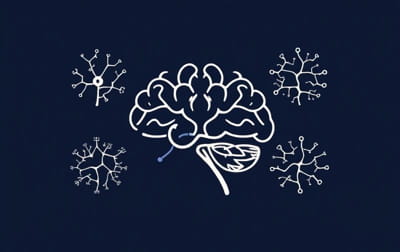
Understanding Different Neuronal Phenotypes and Their Roles in the Nervous SystemThe human nervous system is a highly complex network that allows for communication between different parts of the body. Neurons, the primary cells of the nervous system, come in various forms, each playing a unique role in transmitting signals. These different forms of neurons are referred to as neuronal phenotypes, and understanding them is key to grasping how the nervous system functions.
In this topic, we will explore the different types of neuronal phenotypes, their characteristics, and their significance in health and disease. This will provide insight into how these diverse cells contribute to the intricate processes of the nervous system.
What Are Neuronal Phenotypes?
Neuronal phenotype refers to the distinct characteristics and functions that neurons can exhibit based on their structure, function, and biochemical properties. These characteristics are influenced by factors such as the neuron’s genetic background, the environment it develops in, and the signals it receives from other cells.
Neurons vary not only in their shape and size but also in the neurotransmitters they release, the pathways they follow, and the types of receptors they express. These variations allow neurons to perform a wide array of functions, such as processing sensory information, controlling muscles, and regulating homeostasis.
Types of Neuronal Phenotypes
Neurons can be classified into various phenotypes based on their structure, function, and neurotransmitter profile. Some of the major types include
1. Sensory Neurons (Afferent Neurons)
Sensory neurons are responsible for carrying signals from sensory receptors (like those in the skin, eyes, or ears) to the central nervous system (CNS). These neurons help the body perceive its surroundings by detecting stimuli such as light, temperature, and pressure.
Sensory neurons typically have specialized structures called sensory receptors that allow them to convert external signals into electrical impulses. Once these impulses reach the CNS, they are processed, leading to sensory experiences such as sight, sound, and touch.
2. Motor Neurons (Efferent Neurons)
Motor neurons are responsible for carrying signals from the CNS to muscles and glands, allowing for movement and the regulation of bodily functions. These neurons are classified as either somatic (controlling voluntary movements) or autonomic (regulating involuntary functions like heartbeat and digestion).
Motor neurons have long axons that extend from the spinal cord or brainstem to muscles, enabling them to transmit signals that initiate muscle contraction. When these neurons are damaged, it can result in paralysis or other motor disorders.
3. Interneurons
Interneurons are located within the CNS and act as intermediaries between sensory and motor neurons. They play a critical role in reflexes, learning, and higher cognitive functions. Interneurons are often involved in processing information and forming connections that allow for complex behaviors, like decision-making and memory.
These neurons are typically short in length, connecting nearby neurons, and they form networks that process information within the brain and spinal cord. Interneurons can have different roles depending on the circuits they are a part of, such as excitatory or inhibitory functions.
4. Autonomic Neurons
The autonomic nervous system (ANS) is responsible for regulating involuntary functions such as heart rate, digestion, and respiratory rate. Autonomic neurons are specialized to control the sympathetic and parasympathetic branches of the ANS.
-
Sympathetic neurons prepare the body for fight or flight responses, increasing heart rate, dilating pupils, and directing blood flow to muscles during stress.
-
Parasympathetic neurons promote the rest and digest state, slowing down the heart rate and stimulating digestive processes.
Autonomic neurons are critical for maintaining homeostasis and ensuring that the body responds appropriately to changes in the environment.
5. Dopaminergic Neurons
Dopaminergic neurons release the neurotransmitter dopamine, which plays a central role in regulating movement, emotion, and reward processing. These neurons are heavily involved in controlling voluntary movement and are found in several regions of the brain, particularly in the substantia nigra.
Dopaminergic dysfunction is linked to several neurological disorders, including Parkinson’s disease, where the loss of dopamine-producing neurons leads to motor impairments, tremors, and stiffness.
6. Cholinergic Neurons
Cholinergic neurons release acetylcholine, a neurotransmitter that is involved in many critical functions, including muscle contraction, learning, and memory. These neurons are found throughout the brain and peripheral nervous system.
In the autonomic nervous system, cholinergic neurons are involved in parasympathetic functions. In the brain, they are associated with cognitive processes, and degeneration of these neurons is a hallmark of Alzheimer’s disease.
7. GABAergic Neurons
GABAergic neurons are those that release gamma-aminobutyric acid (GABA), the primary inhibitory neurotransmitter in the brain. These neurons help regulate the activity of other neurons by preventing excessive firing and promoting relaxation and calmness.
GABAergic dysfunction is implicated in various disorders, including anxiety, epilepsy, and schizophrenia. GABA’s inhibitory effects are essential for maintaining balance in neural circuits and preventing overstimulation.
Neuronal Plasticity and Phenotype Alteration
Neurons are not static; they are capable of adapting to changes in their environment, a phenomenon known as neural plasticity. In response to injury, learning, or experience, neurons can change their phenotype to better suit their new role or environment.
For example, sensory neurons may form new connections if they are damaged, allowing for recovery of function. Similarly, during the process of learning and memory, some neurons may alter their phenotype to strengthen or weaken synaptic connections, which helps encode new information.
The Role of Neuronal Phenotypes in Disease
Understanding neuronal phenotypes is also critical in the context of neurological diseases. Disorders such as multiple sclerosis, amyotrophic lateral sclerosis (ALS), and Huntington’s disease can arise when specific types of neurons are damaged or degenerate.
For instance, the motor neurons affected in ALS gradually lose their ability to communicate with muscles, leading to paralysis. In Parkinson’s disease, the loss of dopaminergic neurons in the brain causes motor symptoms like tremors and stiffness.
Neuronal phenotypes are fundamental to the proper functioning of the nervous system. Each type of neuron, from sensory and motor neurons to dopaminergic and GABAergic neurons, plays a crucial role in facilitating the complex processes that govern everything from movement to cognition.
Understanding these various phenotypes and how they contribute to neural functions is vital not only for appreciating how the brain works but also for developing better treatments for neurological disorders. As research in neuroscience continues to evolve, so too will our understanding of the diverse neuronal phenotypes and their role in maintaining health and preventing disease.