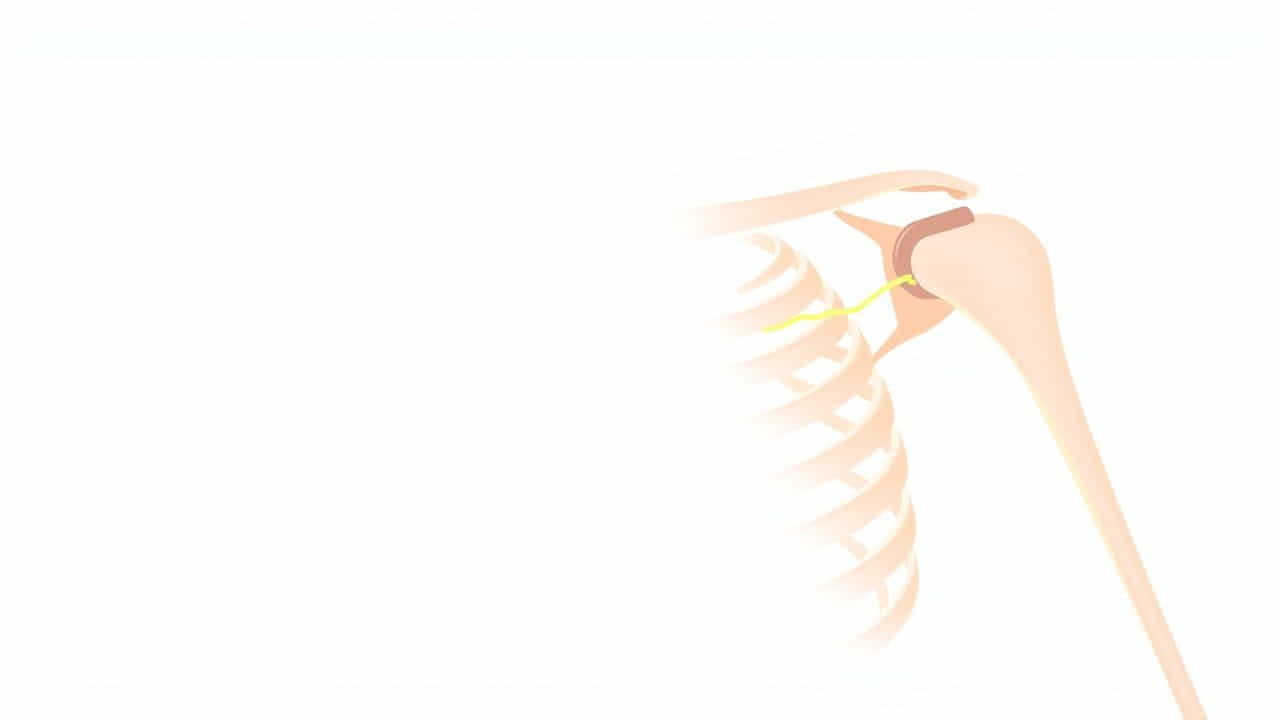
The scapula, commonly known as the shoulder blade, is a large, flat bone located in the upper back. It plays a vital role in shoulder movement and stability, connecting the upper limb to the trunk. This bone is known by several names in different contexts, including shoulder blade, omoplate, and wing bone.
In this topic, we will explore the anatomy, functions, alternative names, and importance of the scapula in human movement.
Alternative Names for the Scapula
The scapula has different names based on language, medical terminology, and cultural references:
-
Shoulder Blade – The most common English term.
-
Omoplate – A term derived from Greek and sometimes used in medical settings.
-
Wing Bone – A reference to its resemblance to bird wings.
-
Blade Bone – Used in some anatomical discussions.
Anatomy of the Scapula
The scapula is a triangular-shaped bone with several important parts:
1. Spine of the Scapula
A ridge that runs across the back of the scapula, providing attachment for muscles.
2. Acromion Process
An extension of the spine that connects to the clavicle (collarbone).
3. Coracoid Process
A small, hook-like structure that serves as an attachment point for muscles.
4. Glenoid Cavity
A shallow socket where the humerus (upper arm bone) connects, forming the shoulder joint.
5. Medial, Lateral, and Superior Borders
Edges of the scapula that help define its shape and provide muscle attachment points.
Function of the Scapula
The scapula plays several essential roles in shoulder movement and stability:
1. Provides Shoulder Mobility
The scapula moves in multiple directions, including elevation, depression, protraction, retraction, and rotation, allowing a wide range of motion.
2. Connects the Upper Limb to the Skeleton
It serves as a bridge between the arm and the torso, facilitating movement and coordination.
3. Supports Muscle Attachment
Several muscles attach to the scapula, including the trapezius, deltoid, and rotator cuff muscles, which help in lifting and rotating the arm.
4. Aids in Shoulder Stability
The scapula works with the clavicle and humerus to maintain shoulder stability during movements.
Common Scapular Conditions
The scapula can be affected by various medical conditions, including:
1. Winged Scapula
A condition where the scapula protrudes abnormally, often caused by nerve damage or muscle weakness.
2. Scapular Fractures
Injuries from trauma or accidents can cause fractures, which may affect shoulder function.
3. Shoulder Impingement Syndrome
Occurs when the scapula and surrounding structures compress tendons, leading to pain and reduced movement.
Muscles Associated with the Scapula
Several muscles attach to the scapula, allowing movement and stabilization:
-
Trapezius – Elevates and retracts the scapula.
-
Deltoid – Assists in arm abduction.
-
Rotator Cuff Muscles (Supraspinatus, Infraspinatus, Teres Minor, Subscapularis) – Stabilize the shoulder joint.
-
Serratus Anterior – Helps in protraction and preventing winged scapula.
Why Is the Scapula Important?
The scapula is crucial for arm movement, shoulder function, and muscle coordination. Without it, basic tasks like lifting, pushing, and pulling would be impossible.
The scapula, also known as the shoulder blade, omoplate, or wing bone, is a key component of the shoulder complex. Its structure, function, and mobility make it essential for everyday activities. Understanding the scapula’s role can help in preventing injuries and improving movement efficiency.