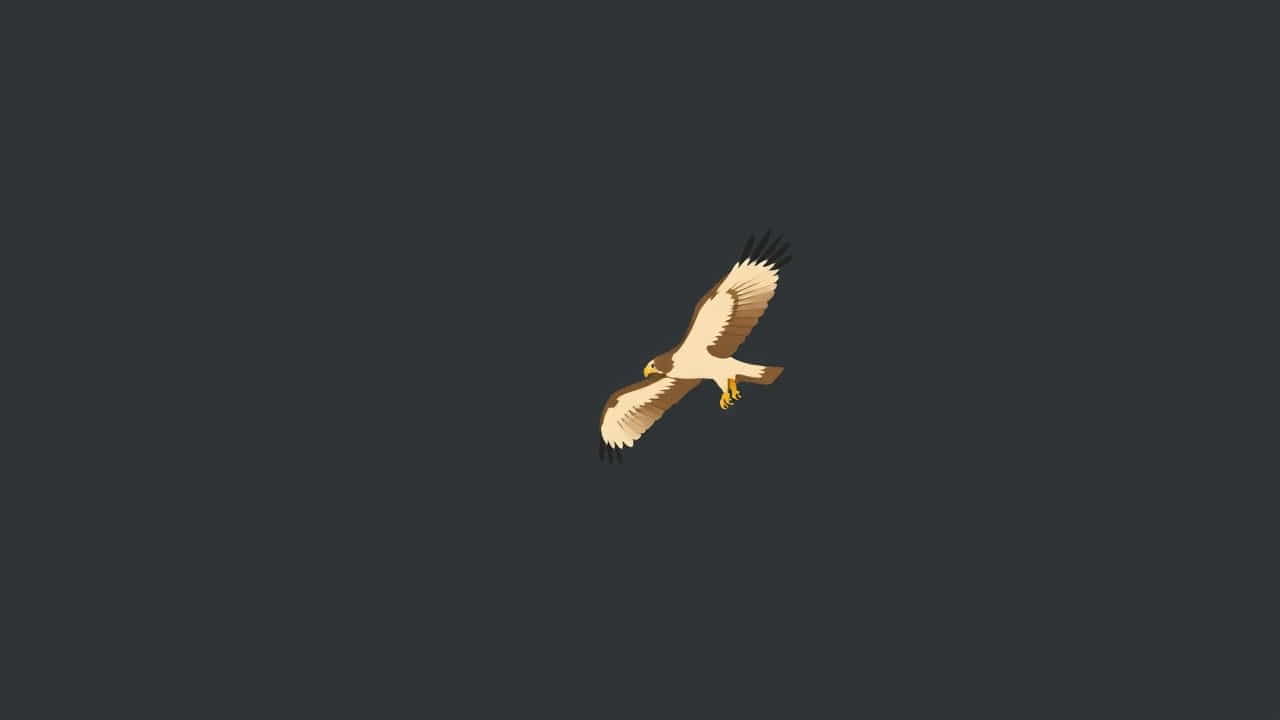
The red-tailed hawk (Buteo jamaicensis) is one of the most recognizable birds of prey in North America. Its piercing screech is often associated with the sound of raptors in movies and television, even when other bird species are shown on screen. But what does this iconic call really mean?
Red-tailed hawks use their screech for communication, territory defense, and mating. Understanding their vocalizations provides insight into their behavior and role in the ecosystem.
1. What Does a Red-Tailed Hawk Screech Sound Like?
The screech of a red-tailed hawk is a loud, raspy, descending scream that lasts about 2 to 3 seconds. It is often described as:
-
A high-pitched "kee-eeeee-arr"
-
Sharp, intense, and echoing across large areas
-
Resembling a cry of dominance and warning
This sound is distinct and unmistakable, making it one of the most well-known bird calls in North America.
2. Why Do Red-Tailed Hawks Screech?
1. Defending Their Territory
Red-tailed hawks are highly territorial raptors. They use their screech to:
-
Warn other hawks to stay away from their hunting ground.
-
Deter intruders, including other birds of prey.
-
Establish dominance over an area.
Hawks will often circle high in the sky, screeching loudly, to make their presence known.
2. Communicating With a Mate
During the mating season, red-tailed hawks screech to:
-
Attract potential mates.
-
Strengthen pair bonds with their partners.
-
Coordinate nest-building and food-sharing.
Mated pairs often perform aerial courtship displays, where one or both hawks screech while soaring.
3. Calling Their Young
Parent hawks use their screech to:
-
Alert their chicks about food deliveries.
-
Warn them of nearby danger.
-
Encourage fledglings to start flying.
Young hawks, called eyasses, also develop their own screeches as they grow.
4. Expressing Distress or Frustration
Hawks screech when they feel threatened or annoyed. Common causes include:
-
Human disturbances (loud noises, habitat destruction).
-
Predators nearby (eagles, owls, or larger hawks).
-
Loss of food sources.
A hawk’s screech can be a sign of stress or irritation.
3. Do Red-Tailed Hawks Screech While Hunting?
Unlike some birds of prey, red-tailed hawks do not usually screech when hunting. They prefer to stay silent and stealthy to avoid alerting their prey. However, a hawk might call out if:
-
It is chasing another hawk away from its food source.
-
It is warning its mate or offspring about a threat.
4. How Far Can a Red-Tailed Hawk’s Screech Travel?
Due to its high-pitched and powerful nature, a red-tailed hawk’s screech can travel over long distances. Factors that affect how far it carries include:
-
Weather conditions (clear skies allow sound to travel farther).
-
Surrounding environment (open fields carry sound better than dense forests).
-
The hawk’s altitude (higher-flying hawks can project their calls farther).
Their screech can often be heard from half a mile away or more.
5. Why Is the Red-Tailed Hawk’s Screech Used in Movies?
Hollywood frequently uses the red-tailed hawk’s screech in films and television. Even when showing eagles, vultures, or other birds, the red-tailed hawk’s sound is often added for dramatic effect. This is because:
-
It is powerful, piercing, and easily recognizable.
-
It sounds more dramatic than the calls of actual eagles or falcons.
-
It creates an intense, wild atmosphere in movies.
6. How to Identify a Red-Tailed Hawk by Sound
To identify a red-tailed hawk’s screech:
-
Listen for a sharp "kee-eeeee-arr" call.
-
Observe the bird’s behavior soaring high or perched on a tree.
-
Note the sound’s pattern usually a single, drawn-out scream.
The screech of a red-tailed hawk is one of the most recognizable bird calls in the wild. It serves important functions in communication, territory defense, and mating. Whether soaring over open fields or perched on a treetop, these majestic raptors use their voice to establish dominance and ensure their survival.
Next time you hear a high-pitched, echoing cry in the sky, take a moment to look up you might just spot a red-tailed hawk surveying its territory.