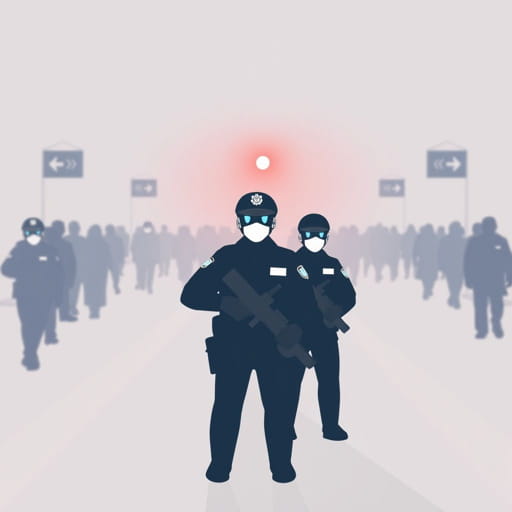
The presence of police in communities has always played a central role in maintaining order, preventing crime, and offering a sense of security to the public. One important concept that highlights this role is the Theory of Police Omnipresence. This theory proposes that the mere perception of constant police visibility can significantly deter criminal activity. Rather than relying solely on reactive policing responding to crimes after they happen this theory emphasizes proactive strategies that aim to prevent crime before it occurs. Understanding how police omnipresence functions can shed light on how law enforcement strategies influence public behavior and social order.
Understanding the Theory of Police Omnipresence
The Theory of Police Omnipresence is rooted in the idea that the visibility of police officers, patrol cars, or even the expectation of surveillance can lead individuals to avoid committing crimes. The belief is that when people think law enforcement is everywhere, they are less likely to take the risk of breaking the law. This does not mean that police must literally be present at all locations at all times, but rather that their presence should feel widespread and consistent enough to influence behavior.
Historical Background
The concept of omnipresence in policing can be traced back to early 19th-century policing reforms, especially in England under Sir Robert Peel. Peel emphasized the prevention of crime through regular patrolling and public engagement. Over time, this principle evolved into a formal strategy where law enforcement agencies focused on maximizing their visibility within communities. It was believed that visibility was a psychological tool as much as a tactical one.
Key Principles of Police Omnipresence
- Deterrence through visibility: Criminals are less likely to offend if they believe they are being watched.
- Public reassurance: Citizens feel safer when they see police presence in their neighborhood.
- Proactive engagement: Officers are encouraged to interact with the public, not just respond to emergencies.
- Strategic patrols: Areas with higher crime rates receive increased patrolling to maximize deterrent effects.
The Psychological Impact of Visibility
One of the most powerful aspects of the Theory of Police Omnipresence lies in the psychological response it triggers. Much like the deterrent effect of surveillance cameras, the belief that a police officer could appear at any moment can stop a crime before it begins. People tend to assess the risk of getting caught, and when the perceived risk is high, their behavior changes accordingly. This is particularly true for crimes of opportunity, where decisions are made quickly and without much planning.
Implementing Police Omnipresence in Practice
Law enforcement agencies use several strategies to bring this theory to life. These practices are designed not just to physically cover more ground, but also to build a strong perception of police presence within communities.
Foot Patrols and Community Policing
Foot patrols are one of the most traditional and effective ways to implement the idea of omnipresence. When officers walk through neighborhoods, they become familiar faces and active deterrents. Community members are more likely to report suspicious behavior, and the visible presence of officers enhances the overall feeling of safety.
Patrol Car Distribution and Hot Spot Policing
Strategically placing patrol cars in known high-crime areas, or ‘hot spots,’ allows departments to focus resources where they are most needed. Police vehicles parked in key locations even if temporarily unoccupied create a strong visual reminder that law enforcement is active in the area.
Use of Technology
In modern times, the theory of police omnipresence extends beyond physical patrols. Surveillance systems, license plate readers, and drones contribute to the illusion of constant monitoring. Social media platforms, mobile apps, and police websites can also project a sense of engagement and oversight by allowing communities to report incidents or see police activity updates in real-time.
Benefits of Police Omnipresence
The primary benefit of implementing this theory is crime prevention. But beyond that, there are multiple secondary advantages that can positively affect society and law enforcement relations.
- Reduced fear of crime: When people see more police, they feel safer and more confident in their surroundings.
- Faster response times: Officers who are already in the area can respond more quickly to incidents.
- Community trust: Regular, positive interactions between police and the public improve mutual respect.
- Lower crime rates: Studies have shown that visible patrols can lead to measurable reductions in specific types of crime, especially property and street crimes.
Criticism and Challenges
While the Theory of Police Omnipresence has its strengths, it also faces several criticisms and practical limitations. Critics argue that the overuse of visible policing may lead to feelings of being watched or controlled, particularly among marginalized communities. This can result in mistrust, tension, and even claims of over-policing.
There are also financial and logistical challenges. Maintaining high levels of visibility requires significant manpower and resources. In many regions, law enforcement agencies are understaffed or lack the equipment to carry out widespread patrolling. Additionally, excessive reliance on the theory might overshadow deeper, systemic issues that contribute to crime, such as poverty, lack of education, and unemployment.
Balancing Visibility and Community Sensitivity
Effective application of the Theory of Police Omnipresence requires balance. Law enforcement must work to appear present without overwhelming or alienating the communities they serve. Training officers in cultural sensitivity, conflict resolution, and communication is essential to ensure that their presence is both protective and welcomed.
Global Use and Adaptation
Many countries have adopted or adapted the theory in different ways. In the United States, neighborhood patrols and highway visibility campaigns are common. In the United Kingdom, ‘bobbies on the beat’ have long been a fixture of public safety. In parts of Asia and Latin America, motorbike patrols and mobile police stations are used to reach more remote or dense areas.
Each adaptation reflects cultural and societal norms, but the core idea remains the same: a police force that is seen is a police force that can deter crime, build public trust, and maintain social order more effectively.
Future Outlook
As policing continues to evolve, the Theory of Police Omnipresence will likely remain relevant. However, it will need to adapt to new technologies, shifting public expectations, and the growing importance of transparency and accountability. Virtual presence, such as body cams and community alert systems, may become as influential as physical patrols in shaping public perception.
Moreover, collaboration with community organizations, mental health professionals, and local leaders will be essential in creating a more holistic approach to public safety. Visibility alone cannot solve all issues, but when combined with ethical practices and community engagement, it becomes a powerful tool for positive change.
The Theory of Police Omnipresence is a foundational concept in modern policing, emphasizing the importance of visibility in deterring crime and promoting safety. While it has its critics and limitations, its strategic implementation can foster trust, reduce crime, and improve quality of life in communities. As law enforcement practices continue to develop, this theory remains a vital part of proactive policing strategies around the world.
#kebawah#