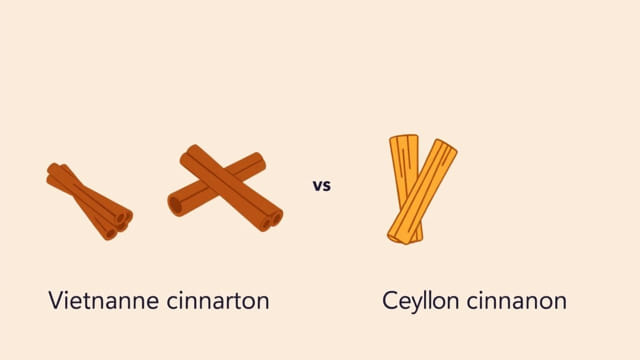
When it comes to cinnamon, not all varieties are created equal. Two of the most well-known types Vietnamese cinnamon and Ceylon cinnamon are often compared for their distinct characteristics, flavor profiles, health benefits, and culinary uses. Though both are derived from the bark of trees in the Cinnamomum family, their origins, composition, and intensity vary significantly. Understanding the differences between Vietnamese cinnamon vs Ceylon is essential for home cooks, bakers, and health-conscious consumers who want to choose the right spice for their needs.
Origin and Botanical Differences
Vietnamese Cinnamon
Vietnamese cinnamon, also known as Saigon cinnamon, comes from the Cinnamomum loureiroi tree. This species is native to Vietnam and parts of Southeast Asia. It is closely related to cassia cinnamon and shares many of its strong, bold qualities.
Ceylon Cinnamon
Ceylon cinnamon, often called true cinnamon, is derived from the Cinnamomum verum tree, native to Sri Lanka and southern India. This variety is considered the original form of cinnamon and has been prized for centuries for its delicate aroma and flavor.
Flavor and Aroma Comparison
Vietnamese Cinnamon Flavor Profile
Vietnamese cinnamon has an intense, spicy-sweet flavor and a strong aroma. It contains higher levels of cinnamaldehyde, the essential oil responsible for cinnamon’s taste and smell. Because of this, Saigon cinnamon tends to be much bolder and spicier than other types, making it ideal for recipes that need a pronounced cinnamon presence.
Ceylon Cinnamon Flavor Profile
Ceylon cinnamon offers a much milder and more complex flavor. It has subtle citrus notes, a light sweetness, and a softer scent. It is often preferred in gourmet cooking and baking because it doesn’t overpower other ingredients. The flavor is refined, making it a favorite among chefs and those who appreciate delicate spices.
Appearance and Texture
How Vietnamese Cinnamon Looks
Vietnamese cinnamon sticks, or quills, are typically thick and hard. They can be difficult to grind at home and are often sold as powder for convenience. The bark is dark reddish-brown, and the ground cinnamon is a rich, deep color that reflects its robust flavor.
How Ceylon Cinnamon Looks
Ceylon cinnamon sticks are light brown and consist of multiple thin layers of bark rolled together. These quills are fragile and easy to break or grind. The powdered form of Ceylon cinnamon is paler than Vietnamese cinnamon and has a fine, soft texture.
Health Benefits and Coumarin Content
Health Benefits Shared by Both Types
Both Vietnamese and Ceylon cinnamon have been linked to several health benefits, including:
- Anti-inflammatory properties
- Antioxidant activity
- Potential blood sugar regulation
- Support for heart health
- Antimicrobial effects
However, their safety for long-term or high-dosage use depends largely on one key component: coumarin.
Coumarin Levels and Safety
Vietnamese cinnamon has a high concentration of coumarin, a natural compound that can be toxic to the liver and kidneys if consumed in large amounts over time. This makes it less suitable for regular, heavy use, especially in medicinal contexts.
Ceylon cinnamon contains only trace amounts of coumarin, making it the safer choice for people who use cinnamon daily or in higher doses. It is often recommended by health professionals for therapeutic purposes.
Culinary Uses and Preferences
When to Use Vietnamese Cinnamon
Thanks to its intense flavor, Vietnamese cinnamon is ideal for recipes that require a bold cinnamon kick. It’s commonly used in:
- Baked goods like cinnamon rolls and spice cakes
- Oatmeal and granola mixes
- Spiced drinks like chai and hot chocolate
- Savory dishes in Vietnamese cuisine, such as pho broth
It holds its flavor well during cooking and baking, which makes it a go-to for recipes where cinnamon is the star of the show.
When to Use Ceylon Cinnamon
Ceylon cinnamon is the preferred variety for dishes that benefit from a lighter, more nuanced spice. It’s especially suited for:
- Fruit-based desserts like apple pie and poached pears
- Custards, puddings, and sauces
- Tea infusions and herbal blends
- Daily use in smoothies or sprinkled over cereal
Its subtlety allows it to enhance rather than dominate, which is ideal for refined or delicate recipes.
Price and Availability
Cost Comparison
Vietnamese cinnamon is generally more affordable and widely available, especially in grocery stores and online markets that stock baking supplies. Because it is easier and cheaper to produce in large quantities, it has become a common household spice in many countries.
Ceylon Cinnamon Pricing
Ceylon cinnamon tends to be more expensive due to its limited production regions and labor-intensive harvesting methods. Authentic Ceylon cinnamon is often labeled and sold as a specialty spice, which can lead to a higher price point in stores and online.
Which One Should You Choose?
Choosing Based on Use
If you’re looking for strong flavor and aroma for occasional baking or seasonal dishes, Vietnamese cinnamon is a great choice. It delivers a powerful punch and is cost-effective for everyday kitchen needs. However, if your intention is to use cinnamon regularly, particularly for health reasons, Ceylon cinnamon is the safer and more refined option.
Personal Preference Matters
In the end, the decision comes down to personal taste. Some people prefer the boldness of Vietnamese cinnamon, especially in winter recipes and spiced drinks. Others appreciate the elegance of Ceylon cinnamon and its gentle, complex flavor profile. If possible, try both types to see which fits your cooking style and flavor preferences.
Summary of Key Differences
- Origin: Vietnamese cinnamon is from Vietnam (C. loureiroi), while Ceylon cinnamon comes from Sri Lanka (C. verum).
- Flavor: Vietnamese is bold and spicy; Ceylon is mild and sweet.
- Coumarin Content: High in Vietnamese, low in Ceylon.
- Appearance: Vietnamese has thick, hard bark; Ceylon has soft, layered quills.
- Price: Vietnamese is more affordable; Ceylon is more expensive and premium.
Both Vietnamese cinnamon and Ceylon cinnamon offer unique benefits, but understanding their differences helps ensure the right choice for flavor, health, and culinary success. Whether you’re spicing up your morning oats or creating a traditional dessert, choosing the right cinnamon can make all the difference.