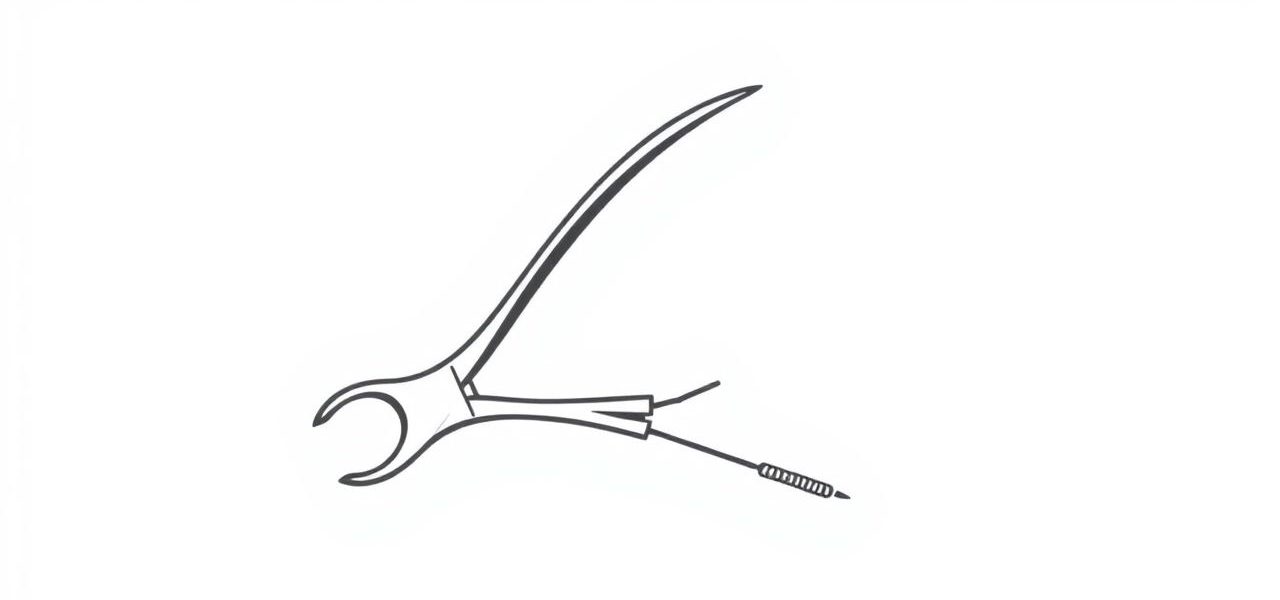
In surgical procedures and medical environments, precision and control are essential. One tool that plays a vital role in achieving this is the hemostat clamp. Used by doctors, nurses, and veterinarians alike, a hemostat clamp is designed to control bleeding, grasp delicate tissue, and assist in various intricate tasks. Though it may appear small and simple, it is a fundamental instrument in both major surgeries and minor medical procedures. Understanding how a hemostat clamp functions and where it is used helps illustrate its importance in medical practice and beyond.
Definition and Function of a Hemostat Clamp
A hemostat clamp is a surgical instrument used primarily to control bleeding by clamping blood vessels. It looks similar to a pair of scissors or pliers, but instead of cutting, it is designed to grasp and hold. The clamp has a locking mechanism that allows it to remain closed without continuous pressure, enabling medical professionals to work hands-free once the vessel or tissue is clamped.
Hemostats are a type of forceps, and they are part of a broader category of surgical tools known as ‘clamping and occluding instruments.’ These tools are specifically crafted to temporarily restrict blood flow or hold onto small anatomical structures during procedures.
Types of Hemostat Clamps
There are several variations of hemostat clamps, each designed for a specific purpose. They differ in size, shape, and jaw configuration, depending on their intended use.
- Kelly Hemostat: One of the most commonly used types, it features a straight or curved jaw and is used for medium-sized blood vessels.
- Crile Hemostat: Similar to the Kelly but with a full-serrated jaw, providing a firmer grip.
- Mosquito Hemostat: Smaller in size, ideal for clamping tiny vessels in delicate procedures.
- Rochester-Carmalt Hemostat: A larger clamp used for heavier tissue and during abdominal surgeries.
- Pean Hemostat: Features larger jaws for clamping thick tissues and major vessels.
Straight vs. Curved Hemostats
Hemostats may come with straight or curved jaws. Straight hemostats are generally used for surface-level clamping, while curved hemostats offer better visibility and access in deep or narrow surgical fields. The choice between the two depends on the nature of the procedure and the area being treated.
Structure and Design Features
The design of a hemostat clamp is carefully engineered for function and control. Its main parts include:
- Jaws: The gripping portion that contacts tissue or vessels. It may be serrated to improve grip and prevent slippage.
- Hinge: The pivot point that allows the clamp to open and close like scissors.
- Handles: Long arms that provide leverage and are squeezed together to activate the clamp.
- Locking Mechanism (Ratchet): A series of interlocking teeth that keep the clamp closed once engaged, freeing the user’s hands.
Most hemostats are made from surgical-grade stainless steel, which is durable, corrosion-resistant, and able to withstand repeated sterilization. Some disposable versions may be made from medical-grade plastic for single use, especially in emergency or field settings.
Common Uses of a Hemostat Clamp
The versatility of the hemostat clamp makes it a critical tool in various medical fields. Some of its common applications include:
- Bleeding Control: Clamping blood vessels to reduce or stop bleeding during surgery.
- Tissue Handling: Holding or manipulating soft tissue in confined spaces.
- Suturing Assistance: Holding tissue steady while sutures are placed.
- Foreign Object Removal: Retrieving small objects from wounds or body cavities.
- Catheter and Tube Management: Clamping tubes temporarily during procedures.
Use in Veterinary Medicine
Hemostat clamps are also widely used in veterinary surgeries and animal care. They serve similar functions clamping vessels, controlling bleeding, and assisting with wound care making them essential in both large and small animal procedures.
Proper Handling and Safety
While the hemostat clamp is a simple tool, it requires proper handling to avoid tissue damage or complications. Here are a few guidelines for safe and effective use:
- Apply only the necessary pressure to avoid crushing delicate structures.
- Ensure the instrument is properly sterilized before use to prevent infection.
- Use the appropriate size and type for the procedure to maximize control and safety.
- Do not leave clamps in place longer than necessary to avoid restricting blood flow too long.
Maintenance and Sterilization
Reusable hemostats must be cleaned and sterilized after every use. This involves:
- Thorough rinsing to remove blood and debris
- Ultrasonic cleaning or scrubbing with medical-grade disinfectants
- Autoclaving or chemical sterilization as required
- Regular inspection for damage, wear, or corrosion
Proper maintenance ensures that the tool remains safe, functional, and long-lasting in clinical settings.
Beyond the Operating Room
Although primarily a surgical tool, hemostat clamps are also useful outside medical environments. Some people keep them in first-aid kits, tackle boxes, or tool drawers. Here are a few non-medical uses:
- Fishing: Hemostats help remove hooks from fish and handle small parts.
- Crafts and Jewelry: Used for holding wires or tiny components during crafting.
- Electronics: Ideal for gripping or placing small electronic parts.
- First Aid: Useful for clamping gauze or bandages in emergency situations.
Hemostat Clamp vs. Other Surgical Clamps
It’s important not to confuse hemostat clamps with other surgical clamps. Each has its own purpose, though they may look similar. For example:
- Needle holders: Designed specifically to grip and guide surgical needles during suturing.
- Towel clamps: Used to secure surgical drapes and are not suitable for clamping vessels.
- Bulldog clamps: Used for temporary occlusion of larger vessels in cardiovascular surgery.
The hemostat clamp’s versatility and ease of use make it a standard item in nearly every surgical toolkit.
The hemostat clamp is an essential tool in modern medicine, known for its role in controlling bleeding, grasping tissue, and assisting in surgical precision. Available in various types and sizes, it is widely used in human and animal care as well as in other hands-on professions. From operating rooms to emergency kits and even hobby workspaces, the hemostat clamp proves its value in many environments. Its simple yet effective design, combined with its reliability, makes it a true staple among surgical instruments. Understanding what a hemostat clamp is and how it is used gives greater appreciation for its role in saving lives and improving medical outcomes.