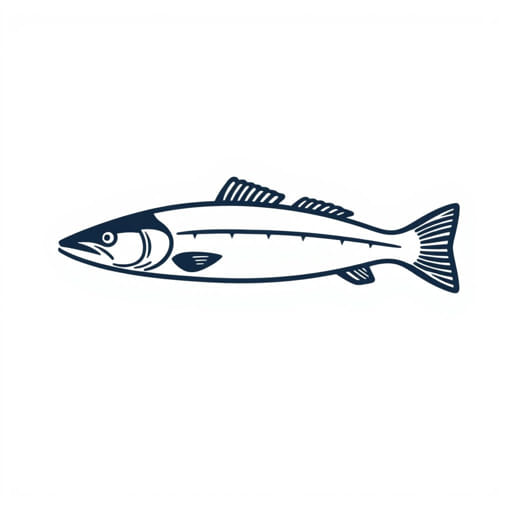
What is a Muskellunge Fish? A Comprehensive Guide to This Powerful PredatorThe muskellunge, often referred to as the muskie, is one of the most iconic and sought-after freshwater fish in North America. Known for its impressive size, strength, and predatory nature, this fish is a favorite among anglers and outdoor enthusiasts. In this topic, we will explore what makes the muskellunge unique, its habitat, characteristics, and tips for fishing this elusive predator.
What is a Muskellunge?
The muskellunge (scientific name Esox masquinongy) is a large freshwater fish species belonging to the family Esocidae, which also includes pike and pickerel. Muskellunge are native to the northern parts of North America, primarily found in the Great Lakes and surrounding river systems. They are considered one of the largest predatory fish in freshwater habitats, known for their powerful build and aggressive hunting strategies.
Muskellunge are often confused with pike, but they differ in several key aspects. While both species share similar body shapes and sharp teeth, muskellunge are typically larger and more aggressive. Muskies can grow to be quite large, with some individuals reaching lengths of over 5 feet and weighing up to 50 pounds or more. Their size, along with their elusive nature, has earned them the nickname the fish of 10,000 casts.
Physical Characteristics of the Muskellunge
Muskellunge are easily recognizable by their long, streamlined bodies, which are designed for swift movements in the water. They have a slightly elongated, cylindrical body that tapers at the tail, making them efficient swimmers and hunters.
Coloration and Markings The muskellunge’s coloration can vary depending on the environment, but they generally have a light to dark green or brownish body with irregular, dark vertical bars or spots along their sides. These markings help them blend into their surroundings, offering them camouflage as they hunt for prey. The muskellunge’s belly is typically pale or white.
Head and Teeth One of the most distinctive features of the muskellunge is its large, elongated head. They have a narrow, pointed snout with a wide mouth that is filled with sharp teeth. These teeth are designed for gripping and holding onto their prey, which can include smaller fish, amphibians, and even birds. Muskellunge have sharp, needle-like teeth in both the upper and lower jaws, allowing them to capture and secure their prey efficiently.
Size Muskellunge are known for their impressive size. While most muskies caught by anglers range from 30 to 40 inches in length, larger individuals can exceed 50 inches. The largest recorded muskellunge weighed over 67 pounds, though these sizes are rare. Typically, adult muskellunge will weigh between 20 and 40 pounds, with females generally growing larger than males.
Habitat and Distribution of Muskellunge
Muskellunge are native to the freshwater lakes, rivers, and streams of North America, primarily in the northeastern United States and parts of Canada. They are most commonly found in regions such as the Great Lakes, the St. Lawrence River, and the Mississippi River Basin.
These fish thrive in clear, cool waters with abundant vegetation. Muskellunge tend to inhabit shallow bays, inlets, and areas near the shore, where they can hide among aquatic plants and ambush their prey. They prefer lakes and rivers with a slow to moderate current and a variety of underwater structures, such as submerged rocks, fallen trees, and weeds, which provide excellent cover for hunting.
Water Temperature and Conditions Muskellunge are cold-water fish and are most active in water temperatures ranging from 60°F to 70°F. During the colder months of winter, they become less active and may retreat to deeper parts of lakes or rivers to find more stable temperatures. In warmer months, muskellunge can be found in shallower waters, where they are more likely to hunt for food.
Diet and Feeding Behavior
Muskellunge are carnivorous, predatory fish that primarily feed on other fish species. They are opportunistic hunters, which means they will take advantage of whatever prey is available, including smaller fish, crayfish, frogs, and even birds. Muskellunge are known for their ability to ambush their prey, often striking with lightning speed from a concealed position among underwater vegetation or rocks.
Feeding Strategy The muskellunge’s diet mainly consists of fish, including species such as yellow perch, sunfish, and smaller pike. They will often target weaker or injured fish, making them highly effective predators. Muskies are known for their powerful strikes, which can come out of nowhere, making them a formidable challenge for both prey and anglers alike.
Muskellunge are also opportunistic feeders, meaning they may scavenge for food if hunting opportunities are scarce. During the warmer months, they are more active and feed more frequently, while in colder months, their feeding habits slow down as their metabolism decreases.
Reproduction and Life Cycle
Muskellunge are slow to mature compared to other fish species. They typically reach sexual maturity at around 3 to 5 years of age. The spawning season for muskellunge usually occurs in the spring, when water temperatures rise above 50°F. During this time, female muskellunge will lay large numbers of eggs in shallow, weedy areas of lakes and rivers.
Male muskellunge fertilize the eggs externally, and once fertilization occurs, the eggs hatch into fry. These young muskellunge remain in shallow areas for several months before gradually moving into deeper water. Muskellunge have a relatively slow growth rate, and they can live for several decades in the right conditions. The oldest recorded muskellunge lived to be over 30 years old.
Fishing for Muskellunge
Fishing for muskellunge is a popular sport, but it requires patience and skill due to the fish’s elusive nature. Known as the fish of 10,000 casts, muskellunge are difficult to catch because of their size, strength, and tendency to avoid bait. However, when hooked, they put up an intense fight, making the experience rewarding for anglers.
Fishing Techniques Muskellunge are often caught using large, heavy tackle, such as baitcasting or trolling rods. Lures like large crankbaits, spinners, and jigs are commonly used to attract muskies. Anglers typically fish for muskellunge in the early morning or late evening hours, when the fish are more active and likely to feed.
Conservation Efforts Due to the muskellunge’s slow reproductive rate and the challenges of maintaining healthy populations, many regions have implemented conservation efforts to protect muskellunge habitats. These efforts include catch-and-release regulations, habitat restoration projects, and restrictions on the number of fish that can be harvested.
The muskellunge is a fascinating and powerful predator in the world of freshwater fish. With its impressive size, aggressive hunting style, and elusive nature, it’s no wonder that the muskie has become a symbol of freshwater fishing in North America. Understanding the biology, habitat, and behavior of the muskellunge can enhance your appreciation of this remarkable species, whether you’re an angler seeking the ultimate catch or simply interested in learning about one of nature’s most formidable predators.
From its striking appearance to its role in freshwater ecosystems, the muskellunge is a testament to the power and mystery of the natural world.