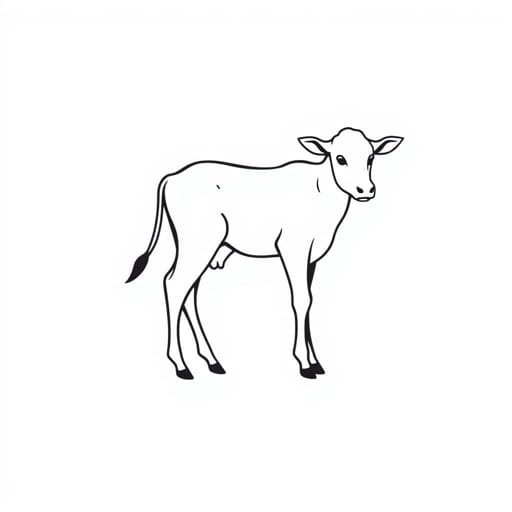
In the cattle industry, terminology can vary widely depending on region, context, and purpose. One lesser-known but important term is ‘slunk calf.’ Though it may not be common in everyday conversation, understanding what a slunk calf is and its implications for farming, animal welfare, and even leather production is essential for those involved in livestock management. This topic touches on areas of veterinary science, agricultural economics, and the broader ethical considerations of cattle handling. By learning what a slunk calf is, farmers and industry professionals can make better-informed decisions regarding animal care and resource utilization.
Definition of a Slunk Calf
A slunk calf is a bovine fetus that is expelled from the uterus before full term. In simpler terms, it is a prematurely born calf, either as a result of miscarriage (spontaneous abortion) or induced abortion. Slunk calves are typically not viable outside the womb because they are not fully developed. The term is sometimes used interchangeably with aborted calf, though ‘slunk’ specifically refers to the fetus rather than the process.
These premature calves are generally less than seven months gestation, with full term in cattle being approximately nine months. Because of their early expulsion and underdeveloped bodies, slunk calves do not survive, and their presence usually indicates a health issue with the cow or external stressors.
Causes of Slunk Calf Occurrence
There are various factors that can lead to the premature expulsion of a calf from the uterus. These can be broadly grouped into infectious, environmental, genetic, and nutritional causes. Recognizing these causes is essential to prevent future losses in a herd.
1. Infectious Diseases
- Brucellosis: A bacterial infection that causes abortion, particularly in the later stages of pregnancy.
- Leptospirosis: Another bacterial infection that affects reproductive health.
- Bovine viral diarrhea (BVD): A common virus that can lead to early fetal death or deformities.
- Neosporosis: A protozoal disease spread through contaminated feed or feces, often linked to dogs and wildlife.
2. Nutritional Deficiencies
Inadequate nutrition, especially in terms of protein, minerals (like selenium and copper), and vitamins (like vitamin A and E), can result in weakened reproductive function and fetal development, increasing the risk of slunk calves.
3. Stress and Environmental Factors
- Extreme temperatures
- Transport stress
- Rough handling or poor housing
These factors can trigger spontaneous abortion due to hormonal disruptions or physical trauma to the cow.
4. Genetic and Hormonal Issues
Genetic abnormalities in the embryo or hormonal imbalances in the cow can prevent proper fetal development, leading to a slunk calf. In some cases, improper synchronization of breeding cycles in artificial insemination programs may contribute to failed pregnancies.
Identification and Signs
Detecting a slunk calf event often involves observing physical signs in the pregnant cow. A farmer or veterinarian may notice:
- Unexpected bleeding or discharge from the cow
- Sudden drop in milk production
- Restlessness or signs of labor well before expected calving date
- Fetal remains expelled without warning
Early pregnancy checks using ultrasound or palpation may help identify pregnancy failure before the fetus is expelled, but in many cases, slunk calves are only discovered after the abortion event.
Implications for Cattle Management
When a slunk calf is identified, it serves as a red flag for herd health. Repeated abortions or early fetal losses within a herd require immediate investigation. Proper diagnosis can prevent the spread of disease and avoid economic losses associated with reduced calving rates.
Management Steps Include:
- Isolate affected animals to prevent spread of infection
- Send fetal tissue to a lab for analysis (pathology or microbiology)
- Review feeding plans and mineral supplementation
- Ensure vaccination schedules are up to date
- Evaluate environmental and housing conditions
Good record-keeping and reproductive monitoring also help track patterns and identify recurring problems, aiding in prevention and long-term herd improvement.
Use of Slunk Calf Hide
Though a slunk calf has no viability as livestock, its hide may be used in specialized leather production. Known as ‘slunk leather,’ this material is extremely soft and thin, often used for delicate products like gloves, book covers, and certain types of parchment.
Because the calf is underdeveloped, the hide lacks the coarseness of older animals. However, it must be handled and processed carefully due to its fragility. While the use of slunk leather is limited, it does offer a means to utilize what would otherwise be discarded tissue, provided the calf is collected in hygienic and regulated conditions.
Ethical and Regulatory Considerations
There are ethical concerns surrounding the collection and use of slunk calf materials, especially in countries with strong animal welfare laws. The following factors must be taken into account:
- Was the calf spontaneously aborted or induced for economic gain?
- Was the collection process humane and compliant with regulations?
- Are there health risks from using tissues of aborted animals?
In many countries, using tissues from slunk calves is subject to veterinary inspection and biosecurity rules. Farms and processors must ensure transparency and traceability if they intend to make any use of such materials.
Prevention and Monitoring
Preventing slunk calves requires a proactive approach to herd health and reproductive management. Key preventive actions include:
- Routine veterinary check-ups and reproductive scanning
- Vaccination against known reproductive diseases
- Balanced feeding programs, especially during gestation
- Biosecurity measures to prevent disease transmission
- Minimizing environmental stressors during pregnancy
Herds that experience multiple slunk calf incidents should be reviewed comprehensively by a veterinary expert. Without proper intervention, the underlying cause could continue to affect herd productivity for years.
A slunk calf is more than just a lost pregnancy it is a sign of potential health, management, or environmental issues within a cattle herd. Understanding what a slunk calf is, how it occurs, and its implications allows farmers and livestock professionals to respond appropriately. Whether viewed from a veterinary, ethical, or economic perspective, addressing the causes of slunk calves is essential to maintaining a healthy and productive cattle operation. With regular monitoring, sound nutrition, and timely veterinary care, the incidence of slunk calves can be greatly reduced, ensuring better outcomes for both animals and farmers.