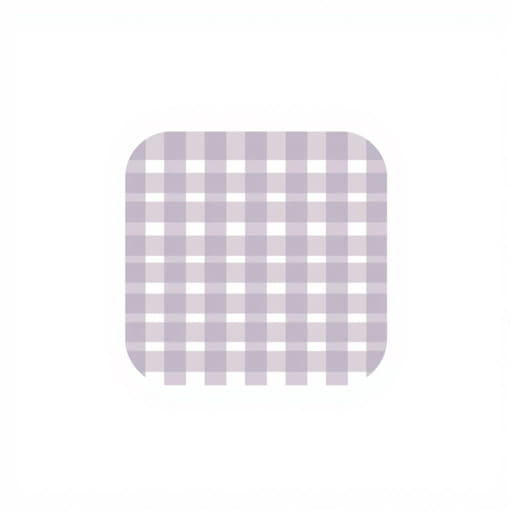
There’s something timeless and effortlessly charming about gingham style. It evokes thoughts of warm summer days, vintage fashion, and simple sophistication. Whether it appears on a picnic blanket or a stylish sundress, gingham has endured for generations. Recognizable by its evenly-spaced checks, usually in white and another color, gingham is more than just a pattern it’s a staple in fashion history. From casual wear to high-end collections, gingham continues to inspire designers and consumers alike with its clean, balanced aesthetic and endless versatility.
Understanding Gingham Fabric
What Exactly is Gingham?
Gingham is a lightweight, woven cotton fabric known for its checkered pattern. Traditionally, it features two colors one usually being white with the pattern created through a weaving process that forms alternating colored squares. Unlike printed patterns, gingham’s checks are woven into the fabric, giving it a durable and long-lasting finish.
The size of the checks can vary, from small, tight grids to larger, bold squares, but the essence of gingham remains consistent symmetry, simplicity, and charm. Though often associated with cotton, modern variations can be made from blends of polyester and other fibers for added stretch or texture.
Origin and History of Gingham
The term ‘gingham’ is believed to have originated from the Malay word genggang, which means striped. The fabric made its way to Europe during the 17th century, initially appearing in striped form before evolving into the checkered design we recognize today.
Gingham became especially popular in the 18th and 19th centuries across Europe and the United States. It was used for aprons, tablecloths, school uniforms, and everyday garments due to its affordability and easy maintenance. Over time, gingham found its way into high fashion and pop culture, worn by style icons like Brigitte Bardot, Dorothy inThe Wizard of Oz, and various fashion runways worldwide.
Key Characteristics of Gingham Style
To identify gingham and differentiate it from similar patterns like plaid or tartan, it’s important to understand its defining features.
- Symmetrical Checks: Gingham consists of evenly spaced, symmetrical checks created by overlapping colored and white yarns during weaving.
- Two-Tone Color Scheme: Traditional gingham uses two colors, most commonly white paired with blue, red, or black.
- Matte Finish: It usually lacks gloss or shine, contributing to its clean and casual look.
- Breathable Fabric: Most gingham is lightweight and made from breathable cotton, making it ideal for warm weather.
Popular Colors and Variations
Although blue-and-white is the most iconic version, gingham comes in a wide variety of color combinations today. Red and white, black and white, green and white, and even pastel shades like pink or mint are now common.
Designers have also taken creative liberties by playing with scale, color contrast, and blending gingham with florals or other prints to give the classic pattern a contemporary twist. Large gingham checks make a bold statement, while smaller ones tend to appear more delicate and subtle.
Gingham in Fashion
Classic and Contemporary Uses
Gingham style has found its place in many types of apparel, from traditional dresses and shirts to modern jumpsuits, skirts, and accessories. Its versatility means it can be casual or dressy depending on how it’s styled and accessorized.
Popular Gingham Garments
- Dresses: Gingham dresses are especially popular in spring and summer collections, offering a light and airy feel.
- Button-Up Shirts: Men’s and women’s gingham shirts are wardrobe staples that pair well with jeans, chinos, or even suits for a semi-formal touch.
- Shorts and Skirts: Gingham bottoms bring a playful, youthful vibe to outfits.
- Outerwear: Lightweight gingham blazers or jackets add a unique twist to layering.
- Accessories: Headbands, handbags, and scarves in gingham print are subtle ways to embrace the style.
Styling Tips for Gingham
How to Wear Gingham with Confidence
One of the strengths of gingham is its flexibility. Whether you’re aiming for a vintage, minimalist, or edgy look, gingham can be adapted to suit your style.
- Keep It Balanced: If wearing a gingham top or bottom, pair it with solid colors to keep the look grounded.
- Layer Thoughtfully: Add a denim jacket or leather piece over a gingham dress for contrast.
- Mix Sizes: Pair small checks with larger ones for a fashion-forward look without overwhelming the eye.
- Accessorize Smartly: Choose neutral accessories for understated looks or bold colors to make the gingham pop.
Gingham in Interior Design
Beyond clothing, gingham style has made a lasting impression in home decor. It’s often used in kitchens, bedrooms, and outdoor spaces to bring a cozy, cottage-like charm.
Common Home Uses
- Tablecloths and Napkins: Gingham remains a go-to pattern for country-style dining areas.
- Curtains: Light gingham curtains add softness and brightness to a room.
- Bedding: Gingham bedspreads and pillowcases bring a nostalgic feel to the bedroom.
The Symbolism and Cultural Influence of Gingham
Over time, gingham has taken on symbolic meaning in various contexts. In post-war America, it represented simplicity, cleanliness, and traditional values. In contrast, fashion runways in the 21st century have reinterpreted gingham as bold, ironic, and even rebellious. This dual identity allows it to appeal across generations and subcultures.
Gingham has also played a role in cinema and media. One of the most iconic representations is Judy Garland’s blue gingham dress inThe Wizard of Oz, cementing its place in fashion history. Later, celebrities like Marilyn Monroe and Brigitte Bardot made gingham glamorous and sultry, wearing it in chic dresses and swimwear.
Gingham vs. Other Patterns
What Sets Gingham Apart
Gingham is often confused with plaid or tartan, but they are different in origin and construction. Plaid typically includes multiple colors and irregular stripes, while tartan represents Scottish clans and has a deeper cultural meaning. Gingham, on the other hand, is more uniform, symmetrical, and simpler in design.
Why Gingham Style Remains Popular
Gingham’s staying power lies in its ability to feel both classic and contemporary. Its clean lines, approachable design, and adaptability make it a favorite among designers, homemakers, and everyday dressers. Gingham transcends seasons, gender, and age groups, proving that sometimes, the simplest patterns are the most powerful.
Whether you’re dressing for a summer picnic, updating your kitchen linens, or experimenting with a runway-inspired outfit, gingham style is a reliable go-to. With its deep-rooted history and ongoing evolution, gingham continues to be a cornerstone in fashion and design that’s not going out of style anytime soon.