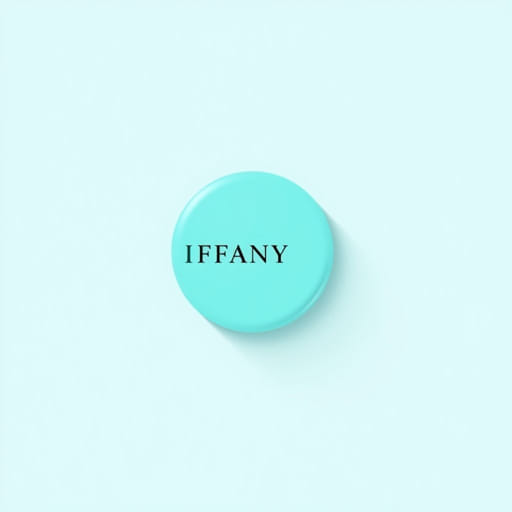
There are colors that instantly evoke emotion, memory, and luxury and one of the most iconic among them is Tiffany Blue. Recognized by millions around the world, Tiffany Blue is not just a shade but a symbol of elegance, refinement, and exclusivity. Found on the famous Tiffany & Co. packaging, especially their signature blue boxes, this specific hue has transcended design trends and entered the cultural imagination. But what exactly is Tiffany Blue, and why does it hold such powerful visual identity in branding and fashion?
The Origins of Tiffany Blue
Tiffany Blue, also known as robin’s egg blue, has its roots in the early days of Tiffany & Co., an American luxury jewelry company founded by Charles Lewis Tiffany in 1837. The color was first used on the cover of the company’s Blue Book, an annual collection of exquisitely crafted jewelry. The distinct shade quickly became associated with the brand and was later used for its packaging, most famously the Tiffany Blue Box, which is now a registered trademark.
This particular blue was chosen for its rarity and sophistication. During the 19th century, turquoise jewelry was a fashionable choice among Victorian brides. Charles Tiffany likely chose the color to reflect the same sense of luxury and exclusivity, reinforcing Tiffany & Co.’s position as a prestigious jeweler.
Color Psychology Behind Tiffany Blue
Color plays a major role in how we perceive brands, and Tiffany Blue is no exception. The soft, calming shade of blue symbolizes trust, serenity, and class. Its brightness conveys freshness, while its subtle tone feels gentle and refined. For many, it brings an emotional response of anticipation and delight especially when it comes in the form of a small blue box tied with a white ribbon.
Psychologically, blue is often linked to reliability and loyalty, two traits that Tiffany & Co. certainly strives to embody in its craftsmanship and service. The unique tint of Tiffany Blue also sets it apart from other blues, making it memorable and instantly recognizable.
The Official Hex Code and Pantone Match
In the digital world, Tiffany Blue has an official hex code of#81D8D0. This color is categorized as a light to medium robin egg blue. However, the exact specifications are more closely managed by Pantone, the global authority on color standardization.
Pantone created a custom color exclusively for Tiffany & Co., labeled asPantone 1837, named after the year the company was founded. This specific Pantone shade is not available in public Pantone guides, as it remains a private custom color reserved for the brand’s use alone. This exclusivity ensures consistency across Tiffany products and preserves the unique association with their identity.
Why Brand Colors Matter
Brand colors are not just about aesthetics they are part of a larger identity system that helps customers build emotional connections with a brand. Tiffany Blue is a textbook example of this. It conveys timeless elegance and establishes an unmistakable visual identity. Because of how consistent Tiffany & Co. has been in using this color across all touchpoints from advertising to packaging it has become symbolic of luxury itself.
When customers see Tiffany Blue, they don’t just think of a color they think of celebration, commitment, and premium quality. That emotional response is what makes the color such a powerful branding tool.
Trademark and Legal Protection
Interestingly, Tiffany Blue is more than just a color it is also a protected trademark. Tiffany & Co. has taken legal steps to ensure that this unique color is exclusively theirs. The U.S. Patent and Trademark Office granted Tiffany & Co. the rights to the color in certain contexts, especially regarding packaging and promotional materials.
This means that other companies are legally restricted from using this exact shade of blue on their boxes or materials if it might lead consumers to associate them with Tiffany & Co. It’s a rare example of a company successfully owning a color, further highlighting its branding significance.
Applications of Tiffany Blue
While Tiffany Blue is tightly controlled in commercial use, its influence can be seen throughout the design and fashion worlds. Designers often use similar hues in wedding themes, invitations, luxury branding, and home decor to evoke the same sophisticated feeling.
Popular Uses in Design
- Weddings: Tiffany Blue is a popular wedding color for decor, bridesmaid dresses, and invitations.
- Interior Design: The shade brings a clean, fresh look to interiors, particularly in bathrooms, kitchens, and luxury spaces.
- Fashion: Clothing, accessories, and even nail polish have been inspired by Tiffany Blue to reflect elegance and style.
- Event Branding: Designers often use Tiffany Blue for upscale product launches, gala invitations, or boutique packaging.
Digital Representation and Consistency
In web and graphic design, maintaining color consistency is key. The official hex code#81D8D0is often used for digital representations of Tiffany Blue. Designers who want to incorporate this shade without violating trademark laws often choose similar hues with slightly adjusted tones or brightness levels.
It’s important for designers and businesses to be cautious when using colors associated with strong brand identities. Even slight visual similarities can unintentionally trigger associations or raise legal concerns. That said, Tiffany Blue’s wide cultural recognition makes it an appealing inspiration point.
The Cultural Legacy of Tiffany Blue
Tiffany Blue is more than just a color it has become a symbol embedded in pop culture. It is referenced in films, fashion shows, and even art installations. The most famous association might be the filmBreakfast at Tiffany’s, where the image of a young woman in a black dress admiring a Tiffany window became a defining cultural moment. Since then, Tiffany Blue has been linked with glamor, romance, and aspiration.
Many celebrities and influencers continue to showcase Tiffany packaging in social media content, often emphasizing the luxury of the experience rather than just the product itself. This shows how the color alone can signify something valuable and desirable, making Tiffany Blue a lasting cultural icon.
Imitation and Inspiration
Given its impact, it’s no surprise that many brands and designers attempt to emulate the look and feel of Tiffany Blue. While using the exact color might be legally risky, creating a similar mood or aesthetic is perfectly acceptable in design. Soft turquoise or robin egg blues can still evoke class and charm when applied with the right typography and visuals.
For those designing their own materials, whether for personal or professional use, drawing inspiration from Tiffany Blue can lend a refined and elegant appeal. Just remember to respect trademark boundaries while exploring the color’s potential in a unique context.
Tiffany Blue is a rare example of a color that transcends design trends and becomes a cultural icon. With its origins tied to one of the most respected jewelry brands in the world, it represents more than a specific hex code or Pantone value it represents a lifestyle, an emotion, and a promise of quality. From packaging to fashion, Tiffany Blue has carved out a permanent space in visual culture. Understanding its history, impact, and significance helps both designers and consumers appreciate just how powerful color can be when used with intention and consistency.