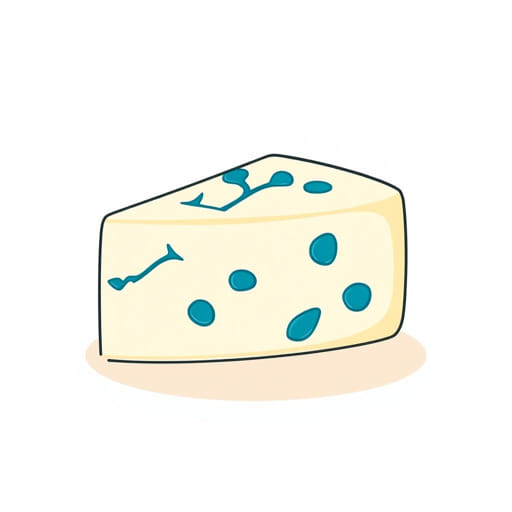
Blue cheese is famous for its distinctive appearance, characterized by striking blue or green veins running throughout the creamy interior. This unique look comes from mold, which some people find off-putting, but it is an essential part of what makes blue cheese special. The mold in blue cheese is not only safe to eat but also contributes greatly to the flavor, texture, and aroma of the cheese. Understanding why blue cheese is moldy helps appreciate the craftsmanship behind this beloved dairy product and reveals the fascinating science involved in its creation.
The Role of Mold in Blue Cheese
Unlike many other foods where mold indicates spoilage, the mold in blue cheese is deliberately introduced and carefully controlled during production. This mold is a specific type known asPenicillium roquefortior sometimesPenicillium glaucum, both of which are safe and edible molds used to create the characteristic flavor and appearance of blue cheese.
How Mold Develops in Blue Cheese
During the cheese-making process, the Penicillium spores are added to the milk or curds. After the initial stages of cheesemaking and pressing, the cheese is pierced with needles or skewers to create air channels. These channels allow oxygen to enter the interior of the cheese, providing the ideal environment for the mold to grow and spread. As the mold grows, it forms the blue-green veins and contributes to the ripening and development of the cheese’s texture and taste.
Why Is Mold Essential to Blue Cheese?
The mold in blue cheese plays several critical roles that impact the final product in important ways:
- Flavor Development: The mold produces enzymes that break down fats and proteins in the cheese, creating complex, tangy, and sometimes spicy flavors. This enzymatic action is what gives blue cheese its distinctive sharpness and depth.
- Texture Changes: As mold enzymes break down the cheese’s components, they soften the texture, leading to the creamy, sometimes crumbly consistency characteristic of blue cheese varieties.
- Appearance: The visible blue or green veins formed by the mold are a hallmark of blue cheese and an indicator of its authenticity and quality.
Types of Mold in Blue Cheese
Different strains of mold can be used depending on the type of blue cheese being made. For example:
- Penicillium roqueforti: Commonly used in Roquefort, Stilton, and Gorgonzola, this mold produces strong, pungent flavors.
- Penicillium glaucum: Often used in milder blue cheeses like Gorgonzola dolce, this mold results in a less intense flavor profile.
The History and Tradition Behind Moldy Blue Cheese
Blue cheese is one of the oldest known cheese varieties, with roots tracing back hundreds of years. Legend has it that the discovery of blue cheese came about by accident, perhaps when natural molds from caves or cellars came into contact with fresh cheese, resulting in the moldy veining and unique taste. Over time, cheesemakers learned to cultivate and control these molds intentionally, leading to the rich tradition of blue cheese production that exists today.
Why Mold Is Not Harmful in Blue Cheese
While many types of mold can be dangerous to human health, the molds used in blue cheese are safe and specifically selected for their beneficial qualities. These molds are grown under controlled conditions, and their safety is thoroughly tested. Moreover, the environment inside blue cheese is inhospitable to harmful bacteria due to factors like acidity, salt content, and competition from the beneficial mold, making it a safe product to consume.
Common Misconceptions About Moldy Blue Cheese
Despite its popularity, many people hesitate to try blue cheese due to misconceptions about the mold. Understanding these common myths can help demystify this unique food:
- Moldy Means Spoiled: Unlike accidental mold growth on bread or fruit, the mold in blue cheese is intentionally introduced and safe to eat.
- Mold Causes Illness: The specific molds used in blue cheese do not produce harmful toxins and have a long history of safe consumption.
- Mold Is Just for Appearance: Mold is not only for looks; it is essential for the cheese’s flavor, texture, and aroma.
How to Enjoy Blue Cheese Safely
To appreciate the rich flavors of blue cheese, it’s important to buy it from reputable sources and store it properly. Here are some tips:
- Purchase Quality Blue Cheese: Choose cheeses from trusted producers or specialty shops to ensure proper mold cultivation and quality control.
- Proper Storage: Blue cheese should be wrapped in parchment paper or cheese paper and stored in the refrigerator to maintain freshness and prevent overgrowth of unwanted molds.
- Check for Unusual Odors or Colors: While blue cheese has a strong aroma, any signs of pink, black, or fuzzy white mold indicate spoilage and should be discarded.
Blue Cheese Varieties and Their Mold Characteristics
Different blue cheeses vary in mold intensity, flavor, and texture. Some popular varieties include:
- Roquefort: Known as the king of blue cheeses, Roquefort uses Penicillium roqueforti and ages in limestone caves, resulting in a strong, tangy flavor and crumbly texture.
- Gorgonzola: Italian blue cheese that can range from mild and creamy (Dolce) to sharp and crumbly (Piccante), with characteristic blue-green veins.
- Stilton: English blue cheese with a creamy texture and bold flavor, known for its blue mold veins that run throughout.
The moldy nature of blue cheese is not a sign of spoilage but a carefully crafted feature that defines the cheese’s identity. The presence of Penicillium mold is essential for developing the rich flavors, creamy textures, and characteristic blue veins that make blue cheese a delicacy enjoyed by many around the world. Understanding the science and tradition behind the mold can help overcome hesitation and encourage a deeper appreciation for this unique culinary treasure. Whether crumbled on a salad, melted into a sauce, or enjoyed on its own, blue cheese’s mold is truly what makes it exceptional.